Recorefit guides
Fitness and Recovery Guides
Evidence-informed guides for recovery, mobility, warm-ups, stretching and practical training decisions.
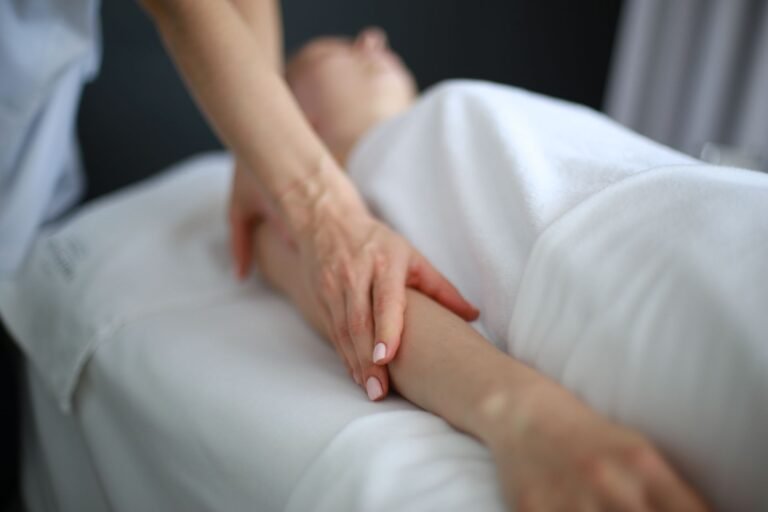
Massage Guns for Muscle Recovery: What the Evidence Supports
Massage guns can feel effective immediately because they change pressure, sensation and sometimes short-term range of motion. That does not mean they speed tissue repair. Think of them as a comfort and movement

Heat or Cold After a Workout? How to Choose
Heat and cold can both be useful after training, but for different reasons. Cold is mainly a short-term soreness and recovery tool in selected situations; heat is often about comfort and relaxation. Neither sho
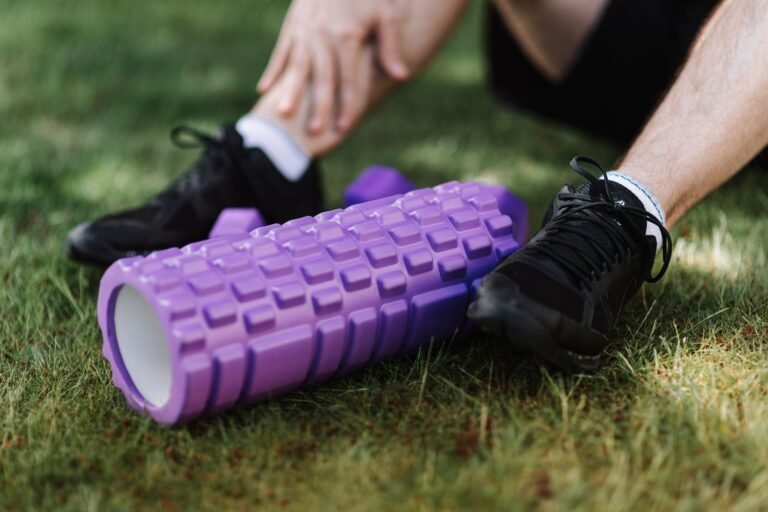
Foam Roller vs Massage Gun: Which Recovery Tool Makes More Sense?
A foam roller and a massage gun solve much the same practical problem: applying pressure when a muscle feels stiff or sore. The real difference is control, convenience and where you want the pressure—not one to

Compression Boots for Recovery: What Does the Evidence Say?
Compression boots look like serious recovery equipment, but the evidence is more modest than the appearance suggests. Some athletes report less soreness or better perceived recovery; improvements in actual perf

Stretching After Running: What It Can and Cannot Do
Stretching after a run is fine if it helps you settle down or you are working on flexibility. It is much less convincing as a way to prevent next-day soreness. If the goal is recovery, easy movement, normal foo
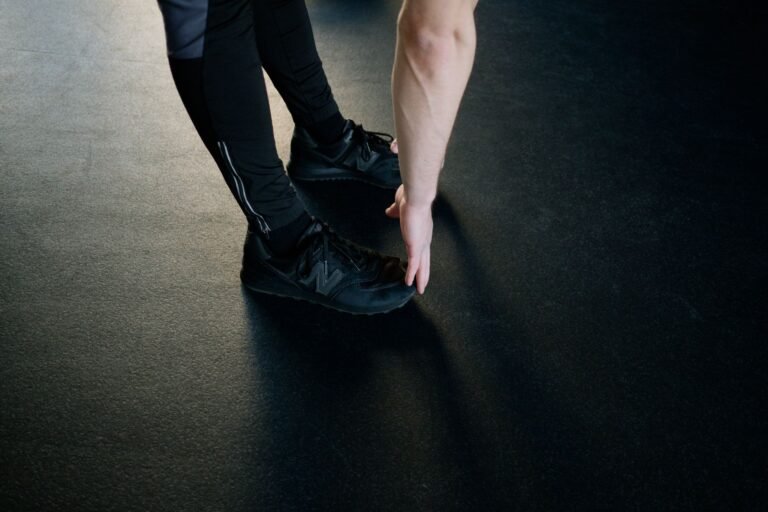
Static Stretching Before a Workout: When It Helps and When to Keep It Short
Static stretching before training is not automatically a mistake. The dose matters. A few brief holds are unlikely to ruin a session, while long, hard stretching immediately before sprinting, jumping or heavy l

How Long Should You Hold a Stretch?
There is no magic number of seconds that makes a stretch effective. Shorter holds can be useful when you want a little more range before movement; longer accumulated stretching makes more sense when flexibility

Dynamic Warm-Up Before Strength Training: A Practical Template
Walk into a strength session cold and the first working sets often feel like they arrive too quickly. A useful warm-up fixes that without stealing energy from the session: get warm, open the positions you actua

Cool Down After Strength Training: What Is Actually Useful?
Once the last hard set is done, there is no prize for turning the cool-down into another workout. A few easy minutes can help you settle, move, breathe and leave the gym feeling normal again. Stretching is opti
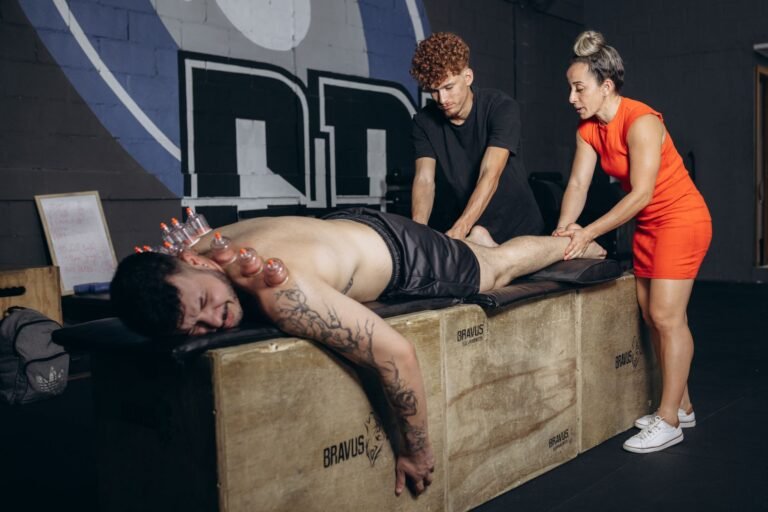
How to Recover From a Hard Leg Workout
A hard leg day can make stairs, chairs and the next morning feel surprisingly dramatic. The useful response is usually simple: keep moving, eat enough, protect sleep and avoid piling another large lower-body st

Active Recovery vs Complete Rest: Which Is Better?
Some recovery days are better with a walk, easy bike or a short mobility session. Others are better with nothing more ambitious than normal daily movement. The choice should follow the kind of fatigue you have,

Thoracic Mobility for Overhead Movement: What Matters Most
If an overhead position feels blocked, the upper back is an easy place to blame. Sometimes it matters; sometimes the real limiter is the shoulder blade, shoulder joint, rib position or trunk control. Test the m

Mobility Before or After a Workout? How to Decide
Mobility before training and mobility after training are not the same job. Before a workout, use just enough to improve the positions you are about to train. Afterward—or in a separate session—you have more roo

Hip Mobility for Squats: What Actually Limits Your Depth?
When a squat feels blocked, “tight hips” is often the first explanation. It is not always the right one. Stance, ankle motion, hip anatomy, trunk position, strength and simple familiarity with the movement all

Shoulder Mobility for Overhead Pressing: What You Actually Need
A strong overhead position does not require circus-level shoulder flexibility. It requires enough shoulder and upper-back motion to get the arms overhead without borrowing the missing range from the lower back.

Ankle Mobility for Squats: What to Test and How to Improve It
Ankle range can make a squat feel smooth or awkward, but it is only one part of the movement. A quick weight-bearing test, followed by a squat retest, tells you far more than assuming every depth problem comes

Protein Timing for Muscle Recovery: How Much Does Timing Really Matter?
Protein timing matters, but much less dramatically than supplement marketing once suggested. For most lifters, eating enough protein across the day and getting several solid protein-containing meals beats obses

Sleep and Muscle Recovery: What Actually Matters?
There is no recovery gadget that compensates well for repeatedly short nights. Sleep affects training readiness, perceived effort, concentration and performance at the same time. The practical target is not a p

Should You Train With Sore Muscles?
Sore muscles do not automatically mean the session is cancelled. Mild, familiar DOMS often improves once you warm up. The important question is whether soreness changes movement quality, force or coordination—o

How Much Rest Do You Need Between Strength Workouts?
The familiar “wait 48 hours” rule is too crude for real training. A hard set of squats, an easy technique session and a high-volume bodybuilding workout do not create the same recovery demand. Judge the next se

Active Recovery Day: A Simple Workout and Practical Guide
Plan an active recovery day that supports—not sabotages—your training. Includes a simple 30-minute workout, intensity guidance, and signs that complete rest is the better choice.
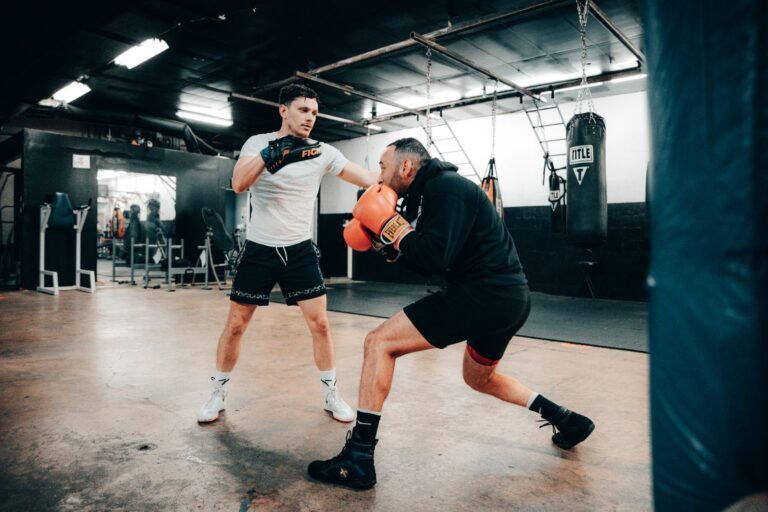
10-Minute Dynamic Warm-Up at Home (No Equipment)
A useful warm-up should leave you warmer, more coordinated, and ready for the first working set—not tired. This 10-minute routine uses simple movements that can be scaled for beginners and adjusted for strength
Mobility Training Plan: From Beginner to Advanced
A structured mobility plan with assessment, weekly programming, progression, and exercise examples for beginner, intermediate, and advanced trainees.

The Science of Muscle Recovery: What Actually Matters
An evidence-informed look at fatigue, soreness, muscle protein synthesis, sleep, nutrition, active recovery, and popular recovery tools.

Foam Rolling for Recovery: What the Evidence Shows
Does foam rolling really improve recovery? A clear look at soreness, range of motion, performance, timing, and realistic expectations.
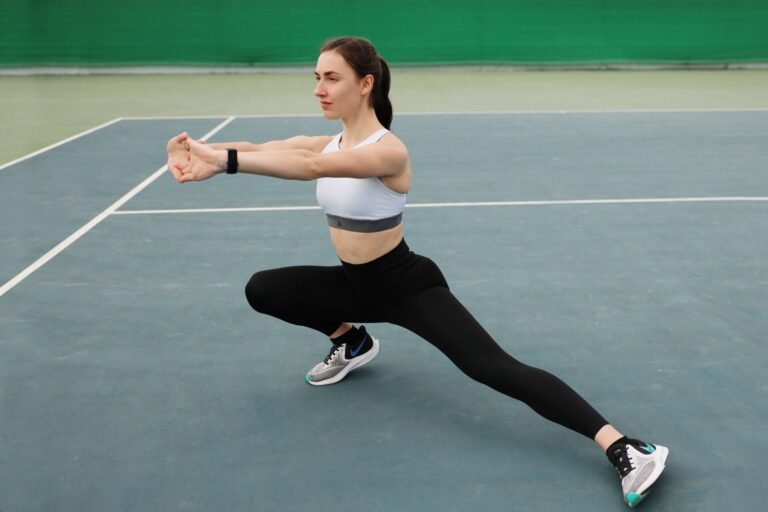
Mobility for Recovery: A Gentle 15-Minute Session
Use this low-intensity mobility session on recovery days to reduce stiffness without turning recovery into another hard workout.

Are Resistance Bands Good for Recovery?
Bands are useful because they make light resistance easy to control, not because rubber has a special recovery effect. They work well for low-load movement, warm-ups and gradual return to strength when the resi

Home Workout Recovery: What You Need—and What You Don’t
Recover well between home workouts with a simple plan for training load, nutrition, sleep, soreness, and limited equipment.

Mobility Training at Home: A 20-Minute Routine
A no-gym mobility routine for ankles, hips, upper back, and shoulders, with beginner options and clear progression.

Stretching for Beginners: A Safe, Simple Routine
New to stretching? Learn how hard to stretch, how long to hold, when to practice, and follow a simple beginner routine.

Foam Rolling Techniques: A Head-to-Toe Guide
Learn practical foam rolling techniques for calves, thighs, glutes, upper back, and lats, including timing, pressure, and safety.

A Simple Post-Workout Recovery Routine That Works
A realistic post-workout recovery routine covering the first ten minutes, your next meal, the rest of the day, and the following session.
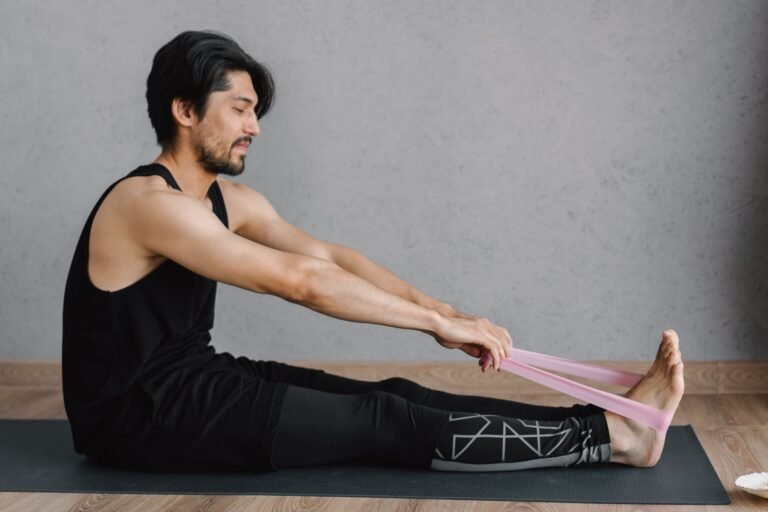
Best Recovery Tools for Home: What Is Worth Buying?
A practical, evidence-informed guide to foam rollers, massage guns, bands, heat, cold, and expensive recovery devices.
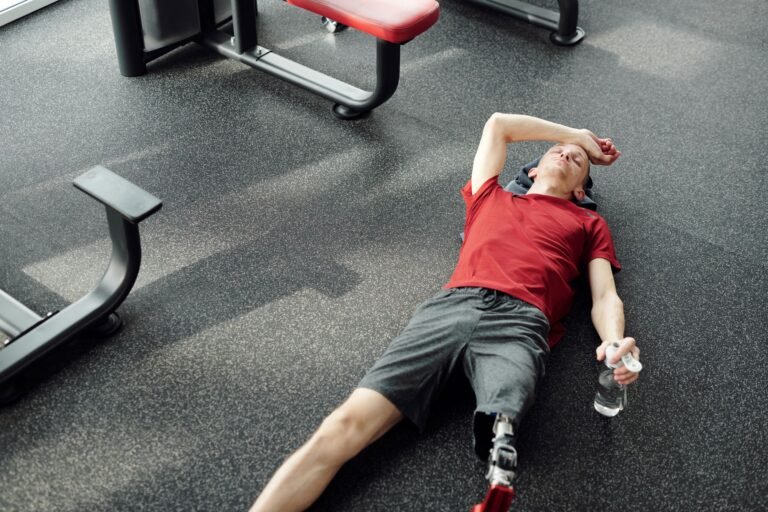
How to Relieve Sore Muscles After a Workout
DOMS is annoying precisely because there is no instant off-switch. Easy movement, normal food, enough sleep and—if you like them—massage or foam rolling can make you feel better, but the biggest win is usually
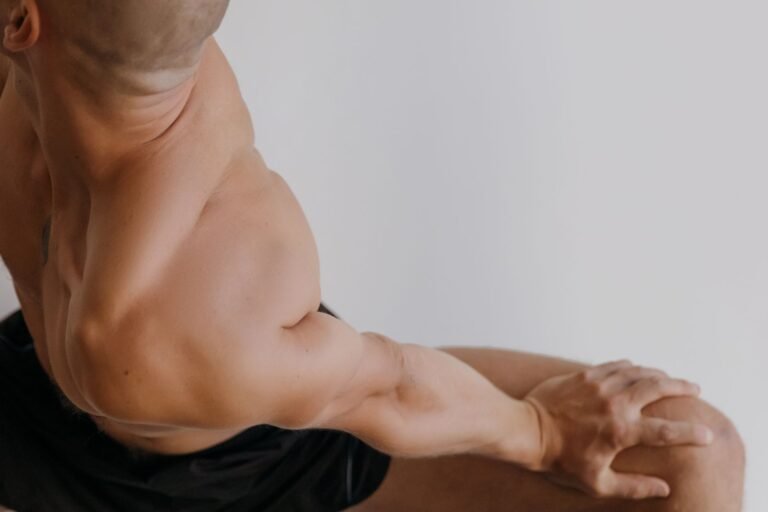
Flexibility vs. Mobility: How to Improve Both
Understand the difference between flexibility and mobility, identify what limits your movement, and use a balanced plan of stretching and strength.

How to Build a Daily Stretching Habit That Lasts
A practical daily stretching plan with realistic expectations, simple habit strategies, and a routine you can complete in eight minutes.

Recovery After Strength Training: A Practical Guide
Good recovery is not about erasing every sign that you trained. It is about letting fatigue fall far enough that the next useful session can happen with normal technique and effort. Sleep, food, sensible progra