Expect soreness to peak later
Delayed-onset muscle soreness often becomes more noticeable the day after training and can peak around 24–48 hours after unfamiliar or high-eccentric work. Feeling fine immediately after leg day does not tell you how tomorrow will feel.
Plan the next session accordingly, especially when you have increased volume or introduced a new movement.
Keep moving, but keep it easy
Easy walking, cycling, or normal daily movement can reduce stiffness and help you feel more comfortable. The goal is not to burn calories or “flush lactic acid.” Lactate is cleared quickly; soreness is a different process.
If the recovery session becomes hard enough to create more local fatigue, it defeats the purpose.
Eat enough to support the work you did
Recovery requires energy. A demanding leg workout followed by aggressive under-eating can make the next sessions feel worse. Include normal meals with sufficient protein and carbohydrate for your training goals.
A regular meal can support recovery just as well as a special recovery drink if it fits your schedule.
Protect sleep after demanding lower-body work
Large lower-body sessions can create substantial whole-body fatigue. Good sleep opportunity is therefore especially valuable the night after training and across the following days.
If the session finished late, keep the recovery routine simple rather than delaying bedtime with extra stretching, rolling, or gadgets.
How to train the next day
An upper-body session, easy aerobic work, or a recovery day may fit well after hard legs. Another demanding lower-body session may be fine if soreness is mild and performance is normal, but it should not be automatic.
Use the warm-up to check whether movement and force have returned enough for the planned work.
Reduce the next leg session when needed
If normal warm-up loads feel unusually heavy, reduce volume or intensity. You can keep the main lift but cut accessory volume, or choose a lighter variation.
Trying to prove that you can train through fatigue often creates a worse week than simply adjusting one session.
When soreness is more than soreness
Sharp pain, swelling, bruising, weakness, numbness, or a major change in gait is not the normal pattern of post-training soreness. Those symptoms deserve appropriate assessment.
Likewise, extremely dark urine or severe systemic symptoms after unusually intense exercise require urgent medical attention.
The first mistake is trying to “undo” leg day
A hard lower-body session creates training stress by design. Recovery is the process of adapting to that stress, not erasing every sign that the workout happened. You do not need to make the legs feel completely fresh by the next morning.
Trying to force recovery with aggressive rolling, long stretching sessions, or another workout can add more local stress. Use comfort tools if they help, but let time and sensible load management do most of the work.
What the next 24 hours should look like
Eat normal meals, include adequate protein and carbohydrate, drink according to thirst and sweat losses, and keep ordinary movement in the day. If sitting for long periods makes the legs feel stiff, short walks can help.
The evening after a hard session is also a good time to protect sleep opportunity. You do not need a perfect bedtime ritual; you need enough time available to sleep.
What to do the next morning
Judge function rather than soreness alone. Can you walk normally? Can you climb stairs without changing your gait? Does a bodyweight squat improve after a few repetitions? Mild stiffness that eases with movement is different from symptoms that become sharper as you move.
Use those observations to decide whether the next training session should stay normal, be reduced, or be replaced with easier work.
Why new exercises create disproportionate soreness
Unfamiliar eccentric loading is a common reason one leg day hurts far more than another. Bulgarian split squats, walking lunges, long-range Romanian deadlifts, or a sudden jump in downhill running can all create more soreness than expected when they are new.
Introduce new exercises with less volume than familiar ones. You can add sets later once you know how your body responds.
How to make the next leg day easier to recover from
- Keep exercise selection stable long enough to adapt.
- Avoid taking every compound set to failure.
- Increase weekly volume gradually.
- Distribute lower-body work across the week instead of creating one enormous session.
- Leave optional accessory work out when the main work has already been unusually demanding.
What about foam rolling or massage?
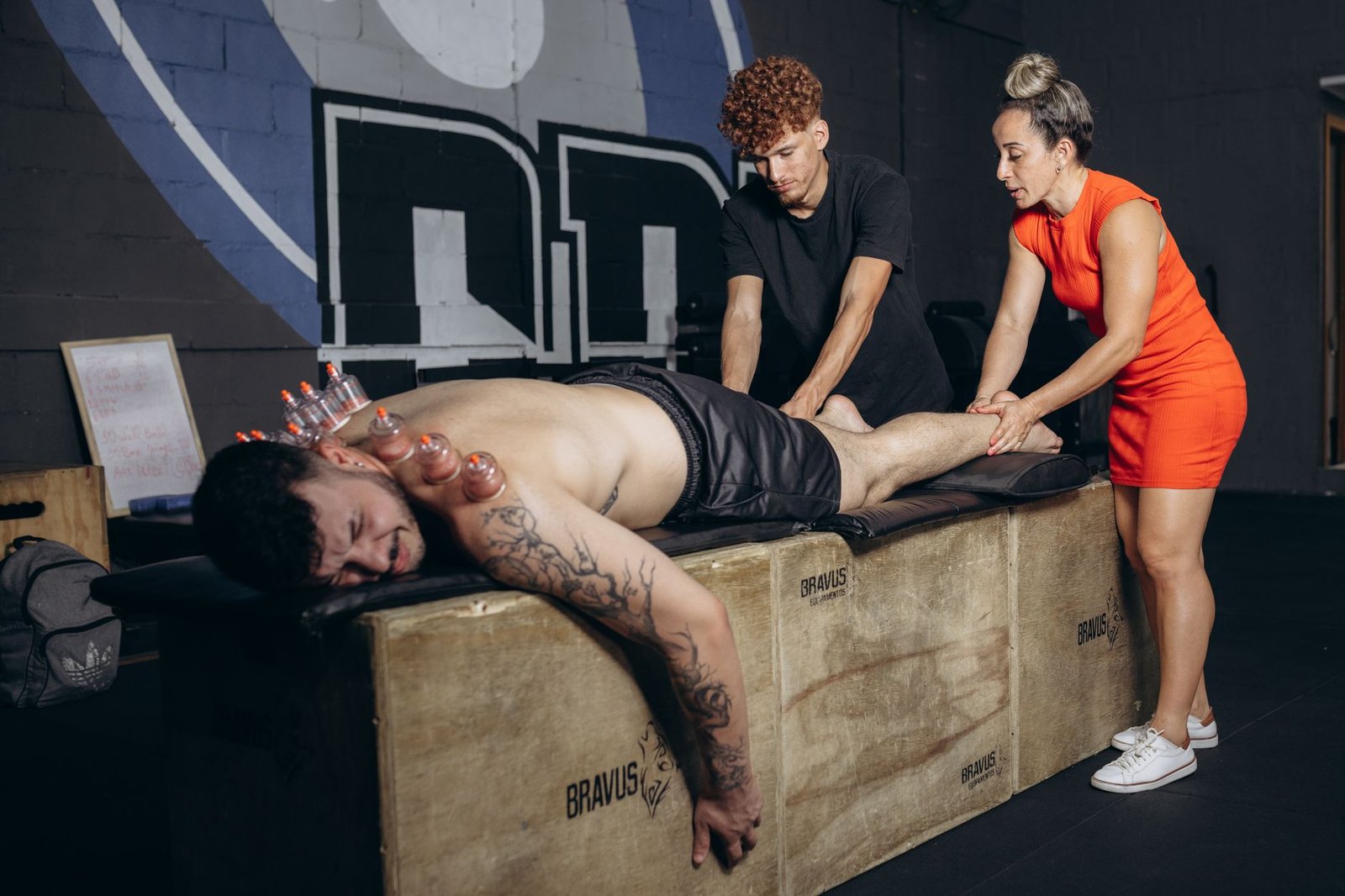
Foam rolling and massage may reduce the sensation of soreness for some people and can be useful when that comfort helps you move more normally. They should not be treated as a way to erase the training stress or guarantee faster tissue repair.
Keep pressure tolerable and the dose modest. If a recovery tool leaves the muscles more irritated, it is not helping the next session.
Cold, heat, and the day after leg training
Heat can feel good when the legs are stiff. Cold exposure can reduce soreness perception in some contexts, but frequent aggressive cold exposure immediately after strength training may not be ideal when maximizing long-term muscle adaptation is the priority.
For most recreational lifters, neither method is required. Use temperature-based strategies for comfort or specific scheduling needs rather than assuming they are essential.
When you have to train legs again soon
If sport or scheduling requires another lower-body session within a short window, recovery becomes more about reducing unnecessary fatigue. Keep the first session focused, avoid extra failure work, eat promptly enough to support the next session, and protect sleep.
The closer the sessions are, the more important it becomes to distinguish necessary training from optional volume.
Leg soreness before work, travel, or competition
When you know the next day includes long travel, a competition, or a physically demanding job, the best recovery strategy begins before the leg workout. Reduce optional volume and avoid introducing novel exercises right before an important day.
Recovery is easier when the schedule is planned around real life. A perfectly designed workout on paper can still be the wrong dose if it leaves you unable to perform the tasks that matter tomorrow.
Training note: The best leg-day recovery plan starts during programming. If every lower-body session leaves you unable to move normally for three days, the dose is too high for the schedule.