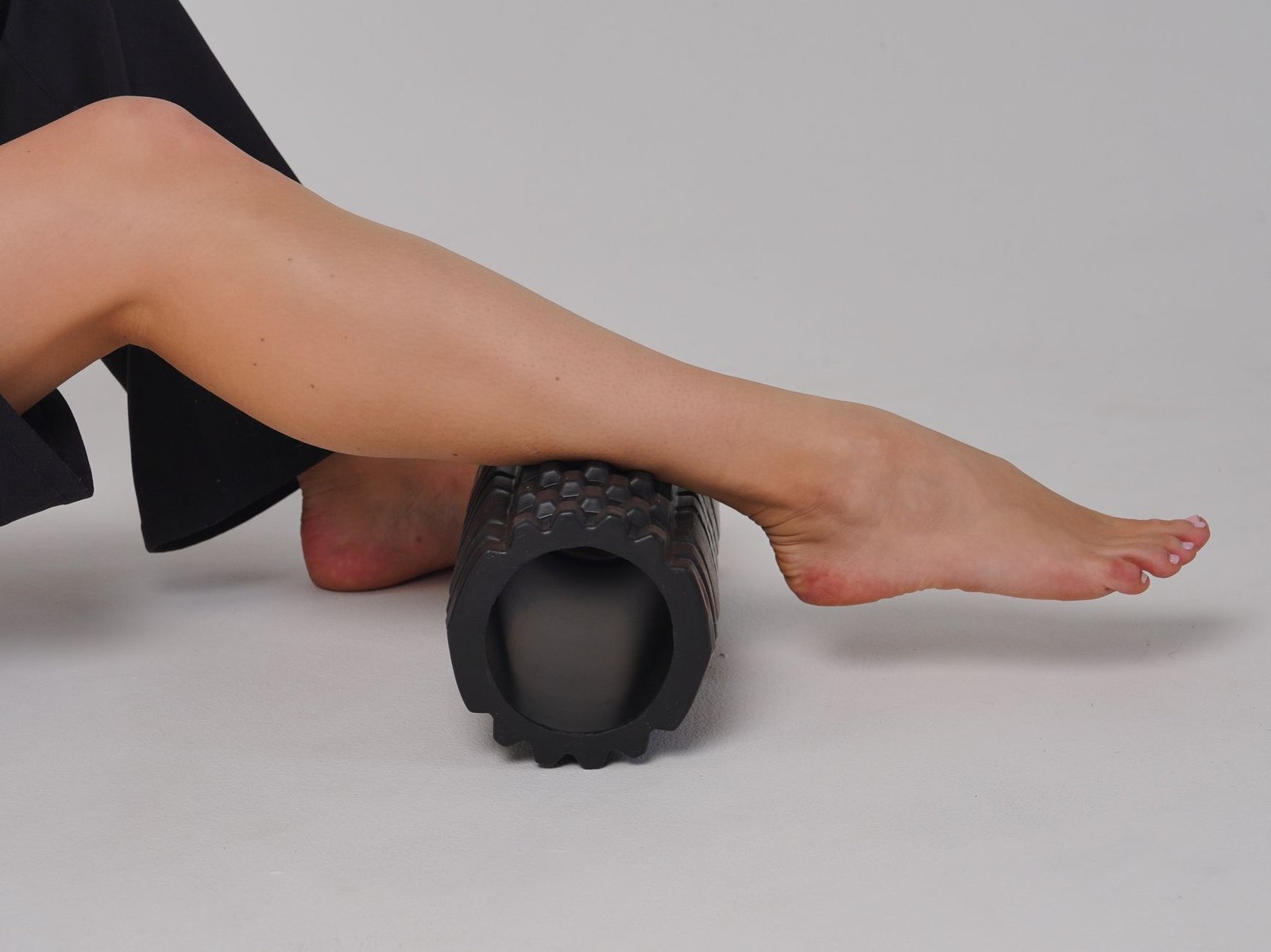
Foam rolling is neither a miracle nor a waste of time. The evidence suggests small, useful effects: it can temporarily improve range of motion and may reduce perceived soreness after hard exercise, usually without harming performance.
What researchers have studied
Studies typically compare foam rolling with rest or another warm-up or recovery method, then measure joint range, soreness, strength, sprinting, jumping, or flexibility. Protocols vary widely in roller density, pressure, duration, and timing, which makes exact prescriptions difficult.
Across systematic reviews and meta-analyses, the most consistent finding is a short-term increase in range of motion. Recovery effects tend to be modest and are often based on how sore participants report feeling.
Range of motion
Foam rolling can acutely increase joint range without the performance reductions sometimes seen after very long static stretches. The effect is temporary, so the best use before training is often:
- Roll the relevant area for 30–60 seconds.
- Perform active mobility in the new range.
- Rehearse the exercise with progressive warm-up sets.
If you want lasting mobility, combine this short-term window with regular strength and movement practice.
Soreness and recovery
Meta-analyses suggest foam rolling may reduce delayed-onset muscle soreness by a small amount. That can matter if feeling less sore helps you move normally or approach the next session with confidence.
However, lower soreness does not necessarily mean tissue has repaired faster. Perceived recovery and biological recovery are related but not identical.
Performance
Foam rolling generally does not appear to meaningfully reduce strength, power, or speed when used for sensible durations. It may produce small improvements in some tests, but it should be viewed as preparation rather than a performance enhancer.
How long should you foam roll?
There is no proven perfect dose. A practical starting point is 30–60 seconds per muscle group, one or two rounds, using tolerable pressure. Longer sessions are not necessarily more effective.
Our head-to-toe foam rolling guide shows positions for each major area.
Before or after training?
- Before: target a restricted area briefly, then move dynamically.
- After: use it if the pressure feels relaxing; it is not mandatory.
- Recovery day: combine a short session with easy walking or mobility.
Claims to be skeptical of
“It breaks up adhesions”
A handheld foam roller is unlikely to mechanically remodel dense tissue in a few minutes. Changes in sensation and movement tolerance are more plausible explanations for the immediate effect.
“It flushes lactic acid”
Lactate is not the cause of soreness that peaks days later. This explanation is outdated.
“The more it hurts, the better it works”
Excessive pressure can cause guarding, bruising, or irritation. Effective self-massage does not require suffering.
Who should avoid or modify it?
Avoid direct pressure over acute injuries, fractures, open wounds, infected skin, joints, and areas with altered sensation. Ask a clinician first if you have significant vascular disease, take anticoagulant medication, bruise unusually easily, or recently had surgery.
Stop immediately for sharp pain, numbness, tingling, dizziness, or swelling.

Where foam rolling fits best
Foam rolling is most useful when you treat it as a short-term comfort or movement tool rather than as tissue repair. If a few minutes of rolling makes a stiff area feel easier to move, that can be valuable before a warm-up or on a recovery day. The effect does not need to be permanent to be useful; it simply needs to help you move or train more comfortably without creating extra irritation.
That also means more pressure is not necessarily better. Grinding aggressively into a sore muscle can make the session unpleasant without improving the result. Use enough pressure to create a tolerable sensation, keep breathing normally, and move on when the area feels a little easier rather than chasing pain.
How to combine rolling with movement
A practical sequence is to roll briefly, then use the new range in an active movement. After rolling the calves, for example, perform ankle rocks or controlled calf raises. After the upper back, try wall slides or an easy overhead reach. This makes it easier to judge whether the intervention changed something useful.
- Use foam rolling before training if it helps a movement feel less restricted.
- Use it after training or on recovery days if you simply find it relaxing.
- Skip it when pressure increases pain, bruising, numbness, or irritation.
- Do not use it as a reason to ignore persistent pain or a clear loss of function.
What to expect realistically
The sensible expectation is modest: foam rolling may improve how an area feels and can temporarily increase comfortable range of motion. It is not a shortcut around sleep, food, sensible programming, or time. If you enjoy it, use it because the small benefit is useful to you—not because recovery depends on owning a roller.
Use foam rolling as a testable intervention
Instead of rolling because it is part of a routine, test whether it changes something you care about. Check a comfortable squat, ankle bend, shoulder reach, or another relevant movement, roll the target area for a short period, then repeat the same movement. If it feels easier, you have a practical reason to use the technique before that activity.
If the movement does not change and the rolling itself is unpleasant, there is little reason to keep increasing pressure or duration. The evidence supports modest short-term effects, not the idea that more pain creates a larger recovery response.
A sensible dose
- Choose one or two relevant areas rather than rolling the whole body.
- Use tolerable pressure and keep normal breathing.
- Spend roughly 30–90 seconds per area, then retest movement.
- Stop if symptoms become sharper, numb, or more irritable.
Training note: Foam rolling is easiest to justify when it improves the next movement. If the only outcome is that you endured five uncomfortable minutes, the dose or the tool probably needs changing.
Sources and further reading
- Foam rolling: systematic review and meta-analysis
- Foam rolling, performance, and recovery: meta-analysis
- Acute effects of foam rolling on range of motion
- Foam roller or stick massage and muscle-damage recovery
General educational information only. Do not use foam rolling to self-treat an undiagnosed injury.