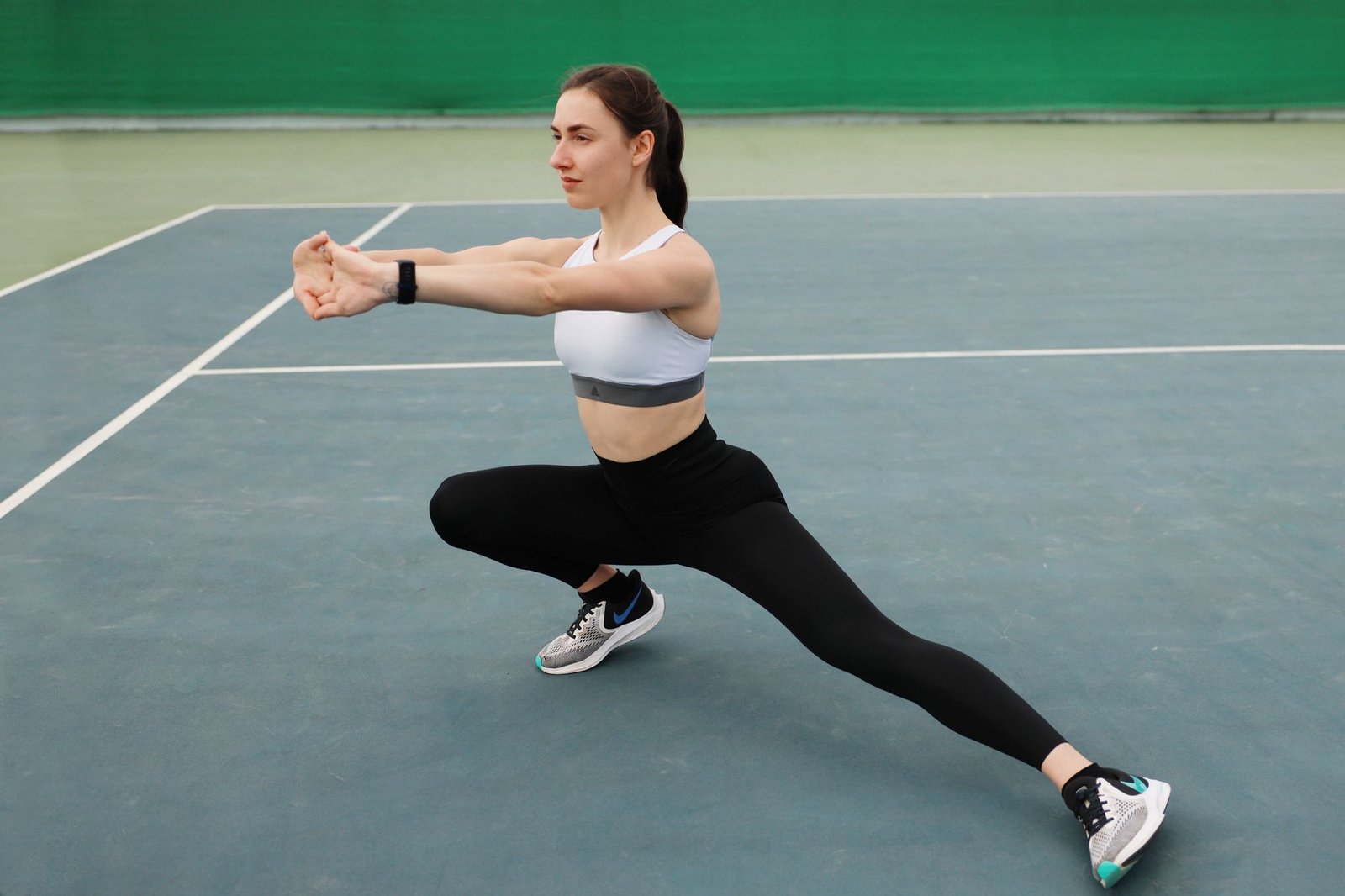
Mobility can be a helpful tool on recovery days, allowing you to move more comfortably without adding significant fatigue. The focus is not on forcing new ranges of motion or aggressively targeting tight tissue. The goal is to leave the session feeling more relaxed and better than when you started.
What recovery mobility can do
Gentle movement can temporarily reduce stiffness, maintain range of motion, and help you assess how your body is responding to training. It may also make an easy day feel purposeful without interfering with recovery.
It does not speed every aspect of tissue repair, and it should not be used to train through an injury. If the session becomes a demanding strength or flexibility workout, it is no longer recovery.
The 15-minute session
1. Easy walk or cycle — 4 minutes
Use a conversational pace. Gradually increase movement, not effort.
2. Spine and rib cage — 3 minutes
- Cat-camel: 6 slow repetitions
- Open-book rotations: 5 per side
- Child’s pose side reach: 3 relaxed breaths per side
3. Hips and ankles — 5 minutes
- Knee-to-wall ankle rocks: 8 per side
- Supported 90/90 hip switches: 6 per side
- Adductor rock-backs: 6 per side
- Supported squat hold: 20–30 seconds
4. Shoulders — 2 minutes
- Wall slides: 8 slow repetitions
- Light band pull-aparts or standing arm sweeps: 10 repetitions
5. Downshift — 1 minute
Sit or lie comfortably and let your breathing return to normal. No special breathing pattern is required.
Adjust it to yesterday’s training
- After lower-body training: prioritize ankle rocks, hip switches, and an easy walk.
- After pressing or pulling: emphasize upper-back rotation and wall slides.
- After running: use easy cycling or walking plus calves and hips.
- After a competition: keep the session shorter; rest, food, fluid, and sleep matter more.
How to know if it is helping
Before and after the session, ask yourself a simple question: Do you move more comfortably and feel at least as energetic as before? If you finish feeling more tired, sore, or irritated, reduce the duration, range, or number of exercises.
Mobility versus stretching after exercise
Static stretching can be part of a cool-down if it feels good or supports a flexibility goal. However, systematic reviews have not shown that post-exercise stretching meaningfully improves short-term recovery of strength or soreness. Use it for range of motion, not as a promise of faster muscle repair.
When to choose rest or assessment instead
Skip the routine if you are acutely ill, unusually exhausted, or movement worsens symptoms. Seek assessment for sharp pain, swelling, instability, numbness, unexplained weakness, or symptoms following a fall or other trauma.
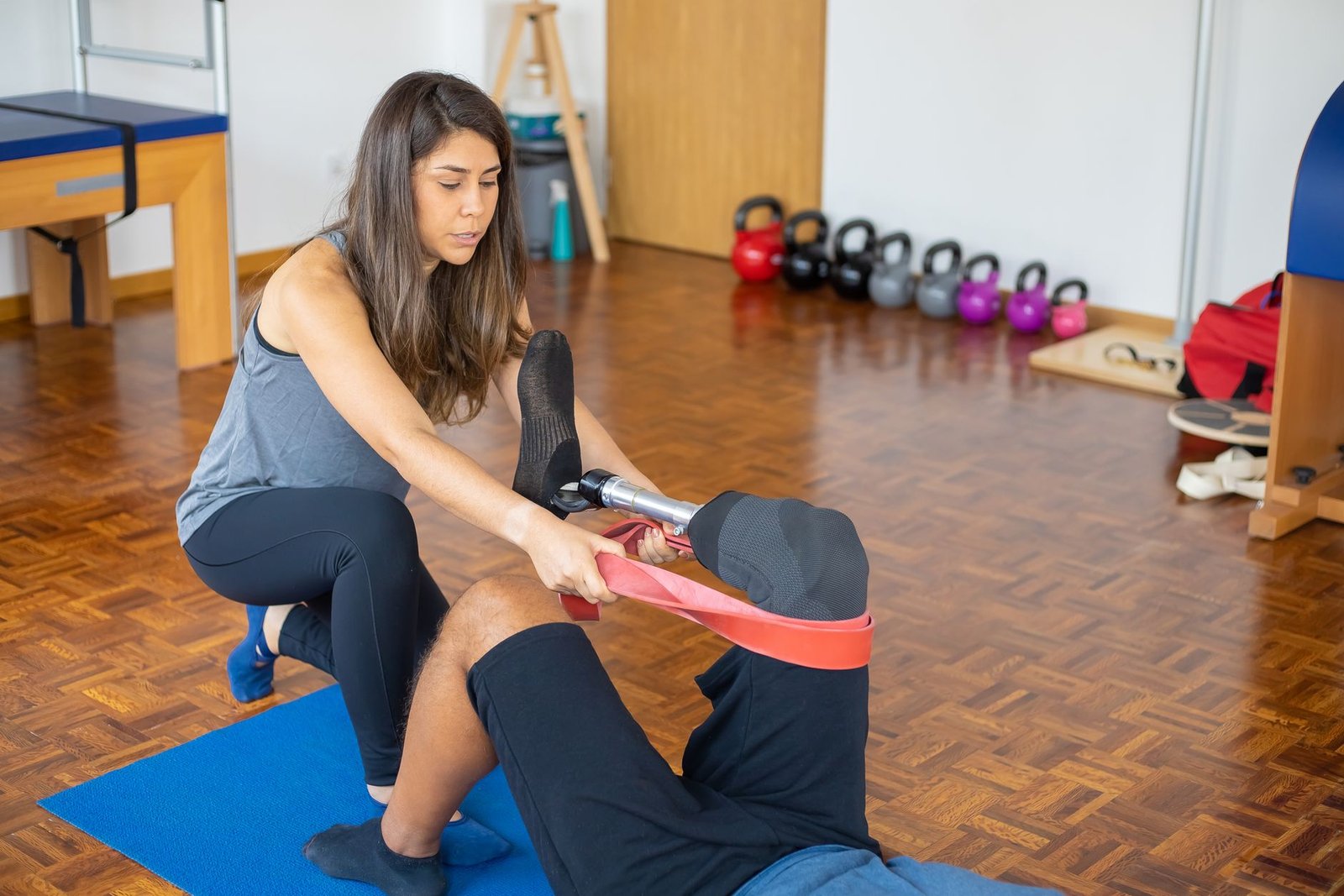
How to scale the session to how you feel
A recovery mobility session should not have a fixed difficulty. On a day when you are only mildly stiff, you may move through the full routine with relaxed, controlled repetitions. After a very demanding session, the right version might be half the exercises, a smaller range, and more time spent walking or breathing between movements.
Use the first few minutes as a check-in. If movement gradually feels smoother, continue. If soreness becomes sharper, range decreases, or you feel progressively more fatigued, shorten the session. Recovery work earns its place by helping you feel more prepared afterwards.
Choose movements based on the previous session
- After heavy squats or lunges: easy walking, ankle movement, gentle hip rotation, and comfortable bodyweight squatting can be enough.
- After pressing or pulling: use relaxed upper-back rotation, wall slides, and light shoulder movement rather than aggressive end-range stretching.
- After running: focus on low-load ankle, calf, hip, and thoracic movement while reducing additional impact.
- After a mixed conditioning session: choose two or three areas that feel most restricted instead of trying to mobilize the whole body.
Recovery mobility is not a flexibility test
On recovery days, aiming to reach your deepest position is usually not the right goal. Instead, focus on comfortable motion, circulation, and reducing stiffness. Save demanding end-range strength work or long intense stretches for sessions where those are the actual training goals.
A recovery session should have a lower cost than the training it supports
The defining feature of recovery mobility is not the exercise selection—it is the dose. The same lunge, squat, or shoulder drill can be recovery work at a low effort and training at a high effort. Keep repetitions smooth, avoid long sets close to fatigue, and finish with the sense that movement has become easier.
15-minute recovery template
- 3 minutes: easy walking, cycling, or marching to raise temperature slightly.
- 4 minutes: two mobility drills for the areas most affected by the previous session.
- 4 minutes: low-load active range work such as controlled squats, lunges, wall slides, or calf raises.
- 4 minutes: easy full-body movement and a retest of the position that felt restricted at the start.
If the final retest feels worse or you have created a local pump and fatigue, the session was too aggressive for a recovery goal.
When to skip mobility and simply rest
If you are ill, unusually exhausted, or dealing with pain that changes normal movement, adding a structured recovery session may not help. Rest, sleep, normal meals, and appropriate assessment can be more useful than forcing movement because the calendar says “recovery day.”
Training note: Recovery work should earn its place. Judge it by how you move and train afterwards, not by how many drills you completed.
Sources and further reading
- Post-exercise stretching and recovery
- Foam rolling, range of motion, and recovery
- Strength training and stretching for range of motion
This session is for general recovery, not treatment of an injury.
Frequently asked questions
How gentle should a recovery mobility session feel?
Keep the session comfortable enough that it does not create a new training cost. Use relaxed repetitions, smaller ranges when needed, and stop short of fatigue. If movement gradually feels smoother, continue. If soreness becomes sharper, your range decreases, or you feel progressively more tired, shorten the session or choose simple rest instead.
Should I push deeper stretches when I feel stiff?
No. A recovery day is not a flexibility test. Use comfortable motion rather than chasing your deepest position or long, intense stretches. The session should leave movement feeling easier, not create a local pump or more fatigue. Save demanding end-range work for sessions where flexibility or strength at long muscle lengths is the actual training goal.