Tools & techniques
Recovery Tools and Equipment
Practical guidance on what recovery equipment can do, what it cannot do, and when simple options are enough.
Recovery tools are optional. The useful ones make a specific part of training or recovery easier; they do not replace sleep, food, sensible programming, or time.
How we evaluate recovery equipment
- Evidence before marketing: we separate short-term comfort, range-of-motion effects, performance effects, and actual injury treatment.
- Useful before expensive: a simple resistance band or foam roller should not lose to a premium device just because the premium product costs more.
- Clear limitations: if evidence is mixed or an effect is small, we say so.
- Evidence over hype: conclusions follow the quality and relevance of the evidence, not the price or popularity of the product.
Start with the problem you are trying to solve
Before buying anything, decide what you want the tool to do. A foam roller can provide pressure and may temporarily change how an area feels or moves. Bands can add a small, controllable resistance dose. Heat or cold can change comfort in some situations. None of these tools automatically makes recovery faster in every meaningful sense.
If the real problem is that every workout leaves you exhausted for several days, the first place to look is usually training dose, sleep, nutrition, and the spacing of hard sessions—not the equipment shelf.
Our current recovery-tool guides
The guides below focus on practical use, safety, realistic expectations, and what research can actually support.

Are Resistance Bands Good for Recovery?
Resistance bands can support active recovery and gradual return to training—but they are still resistance. Learn how to use them safely and…
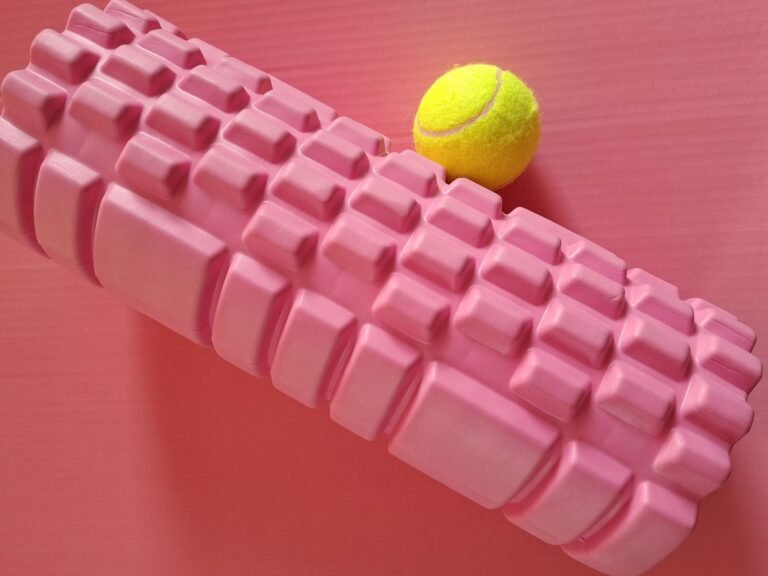
Foam Rolling Techniques: A Head-to-Toe Guide
Learn practical foam rolling techniques for calves, thighs, glutes, upper back, and lats, including timing, pressure, and safety.

Best Recovery Tools for Home: What Is Worth Buying?
A practical, evidence-informed guide to foam rollers, massage guns, bands, heat, cold, and expensive recovery devices.
When equipment is not the answer
Persistent pain, marked swelling, weakness, neurological symptoms, or a clear loss of function should not be managed by repeatedly adding more self-treatment tools. Recovery equipment can support comfort and routine, but it is not a substitute for appropriate assessment when symptoms are concerning.