The best recovery tool is the one that addresses a specific issue, feels pleasant to use, and doesn’t interfere with sleep, nutrition, or reasonable training. Most people require significantly less equipment than recovery marketing implies.
Before you buy anything
Ask what you want the tool to change:
- Temporary stiffness or soreness
- Access to a comfortable mobility position
- A simple way to perform light resistance exercise
- Relaxation after training
- Rapid turnaround between events
A tool that promises to “detox,” break scar tissue, permanently release fascia, or accelerate healing without limits deserves skepticism.
Foam roller: the best general-purpose choice
Foam rolling can temporarily improve range of motion and may modestly reduce perceived soreness. A medium-density, smooth roller suits most beginners. Very hard ridges are not necessary.
Buy if: you like self-massage and want an inexpensive option for legs, hips, and upper back.
Skip if: getting on the floor is difficult or pressure aggravates symptoms.
Massage ball: precise and inexpensive
A ball reaches smaller areas more easily than a roller. Use it against a wall to control pressure around the upper back, glutes, or feet. Avoid pressing directly on the spine, front or side of the neck, or injured tissue.
Massage gun: convenient, not superior magic
Percussive devices might assist with short-term range and perceived soreness, but the research base is smaller than the advertising. Use the lowest comfortable setting for short periods and keep it moving.
Do not use over fractures, acute injury, areas with impaired sensation, major blood-vessel problems, or where your clinician has advised against it.
Resistance bands: useful for movement and strength
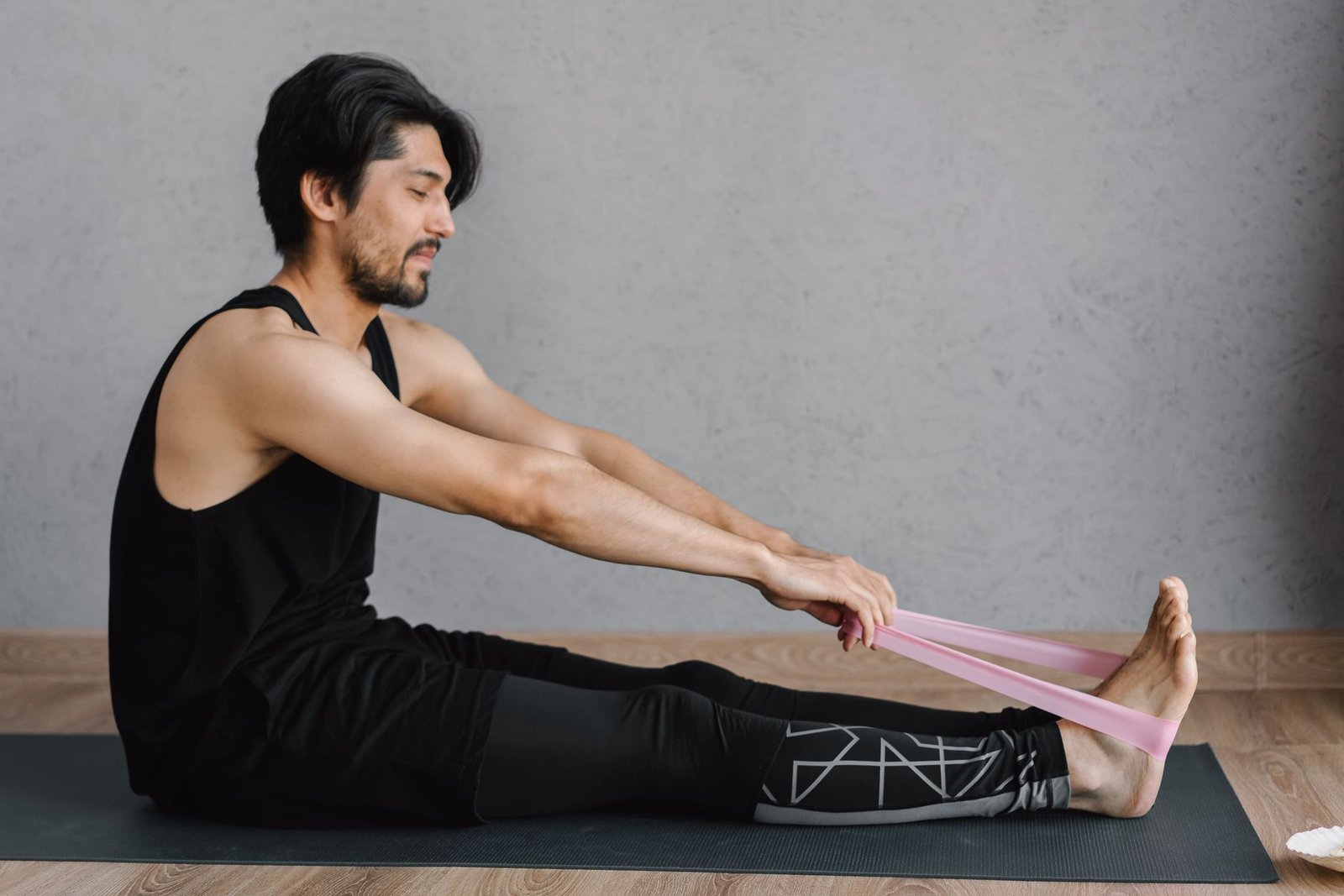
Bands are not passive recovery devices; they provide resistance. Their value is allowing light, controlled exercise almost anywhere. They work well for shoulder rotations, rows, pull-aparts, lateral steps, and assisted mobility drills.
Read our guide to using resistance bands during recovery before treating them as rehabilitation equipment.
Heat: simple comfort
A warm shower, bath, or reusable heat pack can make stiffness feel more manageable and promote relaxation. Protect the skin, limit exposure, and never sleep on an active heat source. Heat should not be used to mask a new swollen injury or symptoms that need assessment.
Cold: context matters
Cold packs can temporarily reduce pain, while cold-water immersion can reduce soreness after strenuous exercise. That may be useful in tournaments or congested schedules. For ordinary strength training, routine cold immersion is not required and frequent immediate use may be undesirable when maximizing muscle growth is the priority.
Compression boots and sleeves
Some people enjoy the sensation and report improved recovery, but effects on performance are generally modest and protocols vary. If the cost changes your food, sleep setup, coaching, or healthcare budget, those priorities are likely to produce a better return.
A sensible home kit by budget
| Budget | Useful kit | What it covers |
|---|---|---|
| Minimal | Tennis or massage ball + light band | Targeted pressure and easy resistance |
| Basic | Foam roller + two band strengths | Self-massage, mobility, light strength |
| Comfort | Add a heat pack or massage gun | Convenience and relaxation |
| Premium | Compression system | Optional comfort; small marginal benefit |
Safety checklist
- Use tolerable pressure; bruising is not the goal.
- Avoid nerves, joints, open wounds, and acutely injured areas.
- Stop for numbness, tingling, sharp pain, dizziness, or worsening symptoms.
- Consult a clinician if you have circulation problems, take anticoagulants, have impaired sensation, or are recovering from surgery.
Buy a tool for a job, not for a promise
The easiest way to avoid wasting money on recovery products is to start with the problem you want to solve. If you want brief pressure on sore muscles, a basic foam roller may be enough. If you need light resistance for warm-ups or mobility, a simple band can do the job. If you mainly want relaxation, the best tool may be the one you will actually use without turning recovery into another demanding routine.
Be cautious when a product claims to remove toxins, break up scar tissue permanently, prevent all soreness, or accelerate healing without meaningful evidence. Recovery marketing often takes a small short-term effect and turns it into a much larger promise.
A sensible low-cost setup
- First: nothing. Make sure training load, sleep, food, and basic movement are reasonably managed.
- Then: add one inexpensive tool that solves a real problem, such as a resistance band or simple roller.
- Only later: consider more expensive devices if you already know that the type of input helps you and convenience matters.
How to judge whether a tool is worth keeping
Ask a simple question after several weeks: does this product make an important part of training or recovery easier enough that you would miss it if it disappeared? If the answer is no, the device may be interesting without being useful.
A tool should earn its place through relevance, practical value, and evidence. Price, branding, or an impressive marketing story does not make a recovery product more useful.
How to evaluate a recovery product before buying it
Start with the claimed effect. If a product promises faster healing, detoxification, dramatic circulation changes, or prevention of soreness, ask whether that claim is supported by human evidence and whether the effect is meaningful enough to change training. Many products provide comfort while being marketed as if they change physiology far more than they actually do.
A practical buying checklist
- Does it solve a specific problem you already have?
- Can a cheaper tool or normal training modification solve the same problem?
- Will you realistically use it more than once or twice?
- Is the claim about comfort, convenience, or actual physiological recovery?
- Would you still want it without the marketing language?
This is especially important for expensive massage devices, compression products, and electronic recovery gadgets. Convenience can justify a purchase, but convenience and evidence are not the same thing.
Training note: Buy the cheapest tool that reliably solves the problem. Upgrade for convenience only after you know the method itself is useful to you.
Sources and further reading
- Foam rolling: systematic review and meta-analysis
- Cold-water immersion: systematic review and meta-analysis
- Elastic versus conventional resistance training
This guide is educational and does not recommend a device for a medical condition.
Frequently asked questions
How gentle should a recovery mobility session feel?
Keep the session comfortable enough that it does not create a new training cost. Use relaxed repetitions, smaller ranges when needed, and stop short of fatigue. If movement gradually feels smoother, continue. If soreness becomes sharper, your range decreases, or you feel progressively more tired, shorten the session or choose simple rest instead.
Should I push deeper stretches when I feel stiff?
No. A recovery day is not a flexibility test. Use comfortable motion rather than chasing your deepest position or long, intense stretches. The session should leave movement feeling easier, not create a local pump or more fatigue. Save demanding end-range work for sessions where flexibility or strength at long muscle lengths is the actual training goal.