How to Recover From a Hard Leg Workout
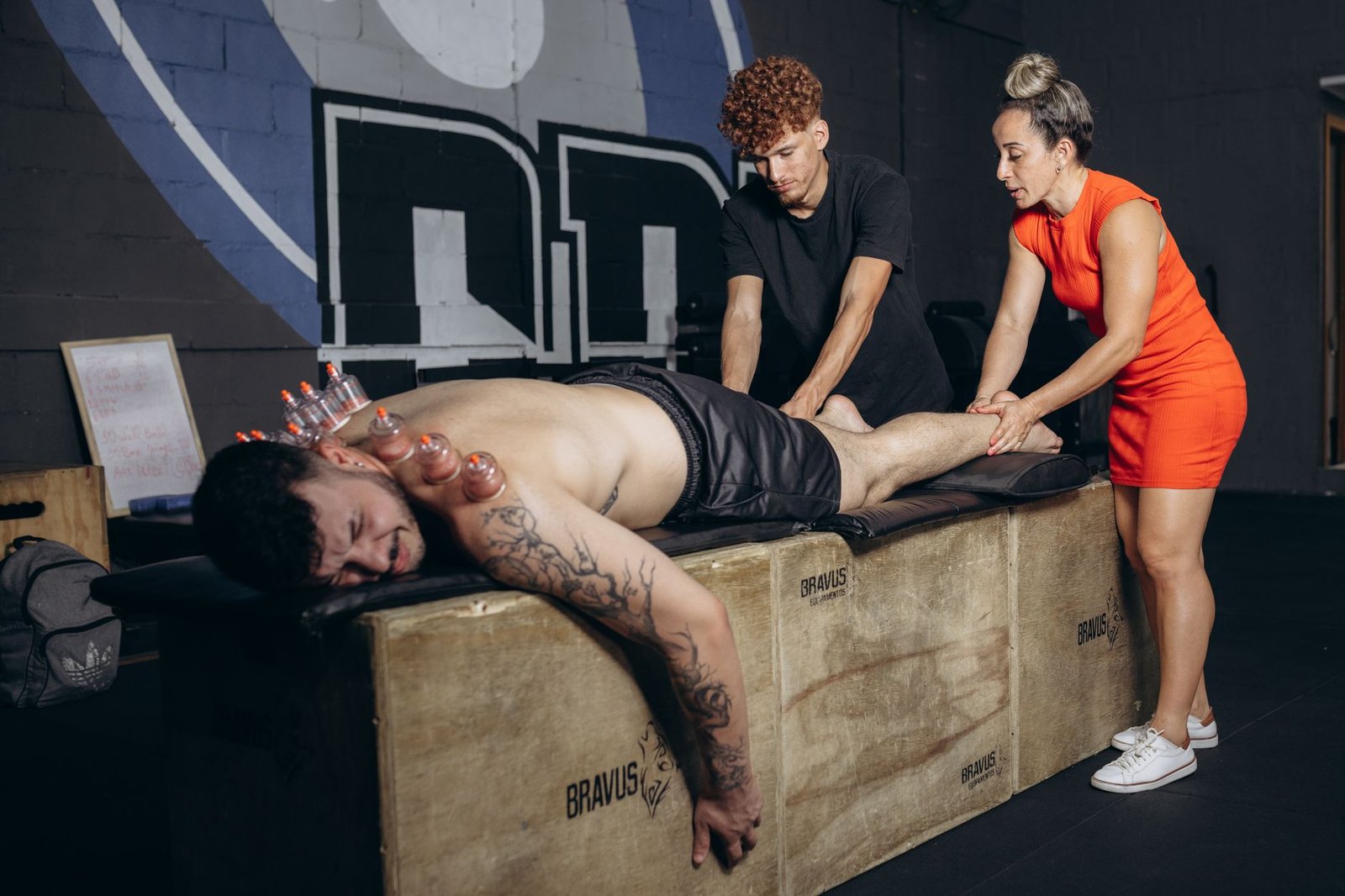
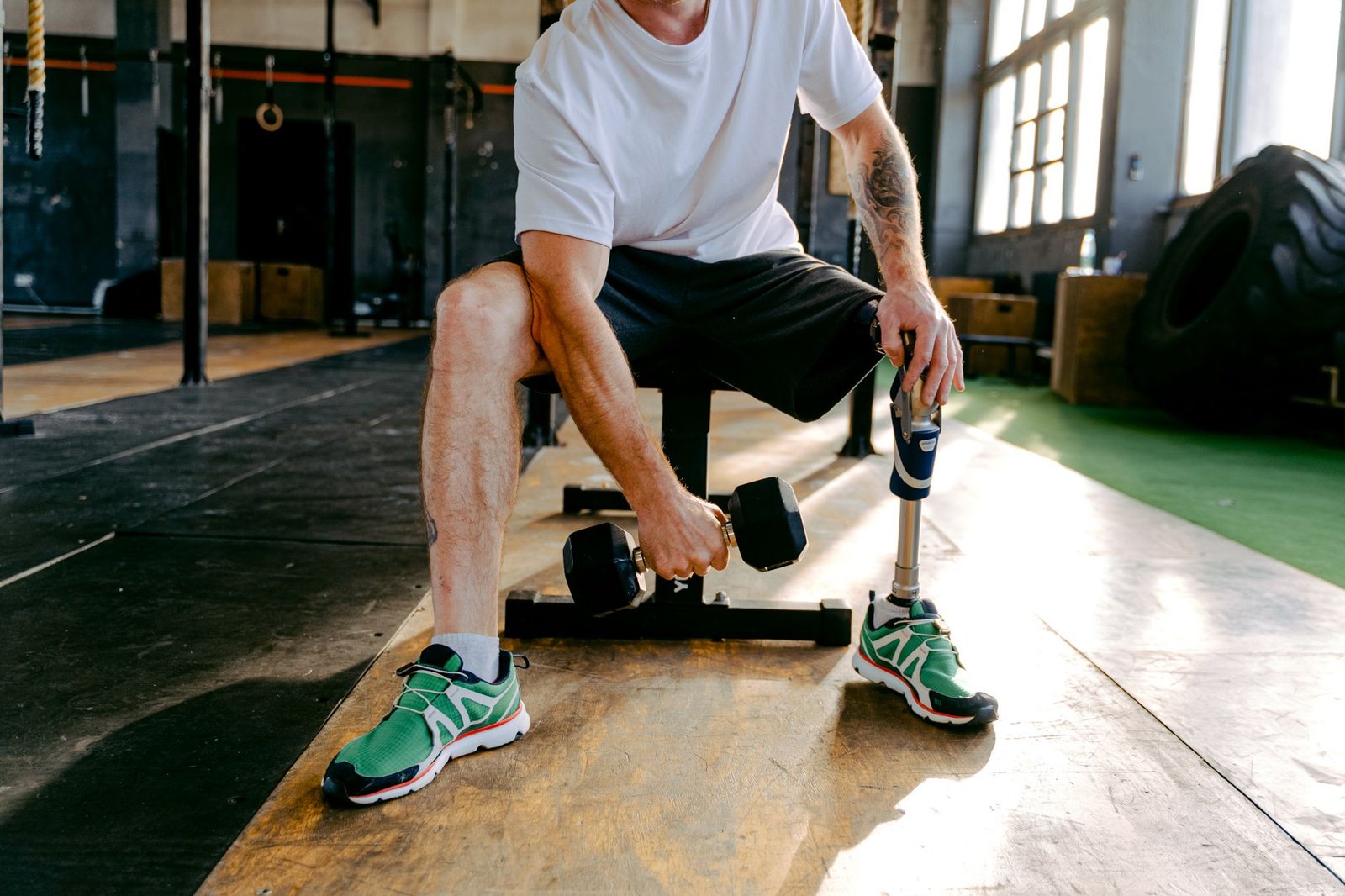
Athlete recovering after a demanding lower-body workout

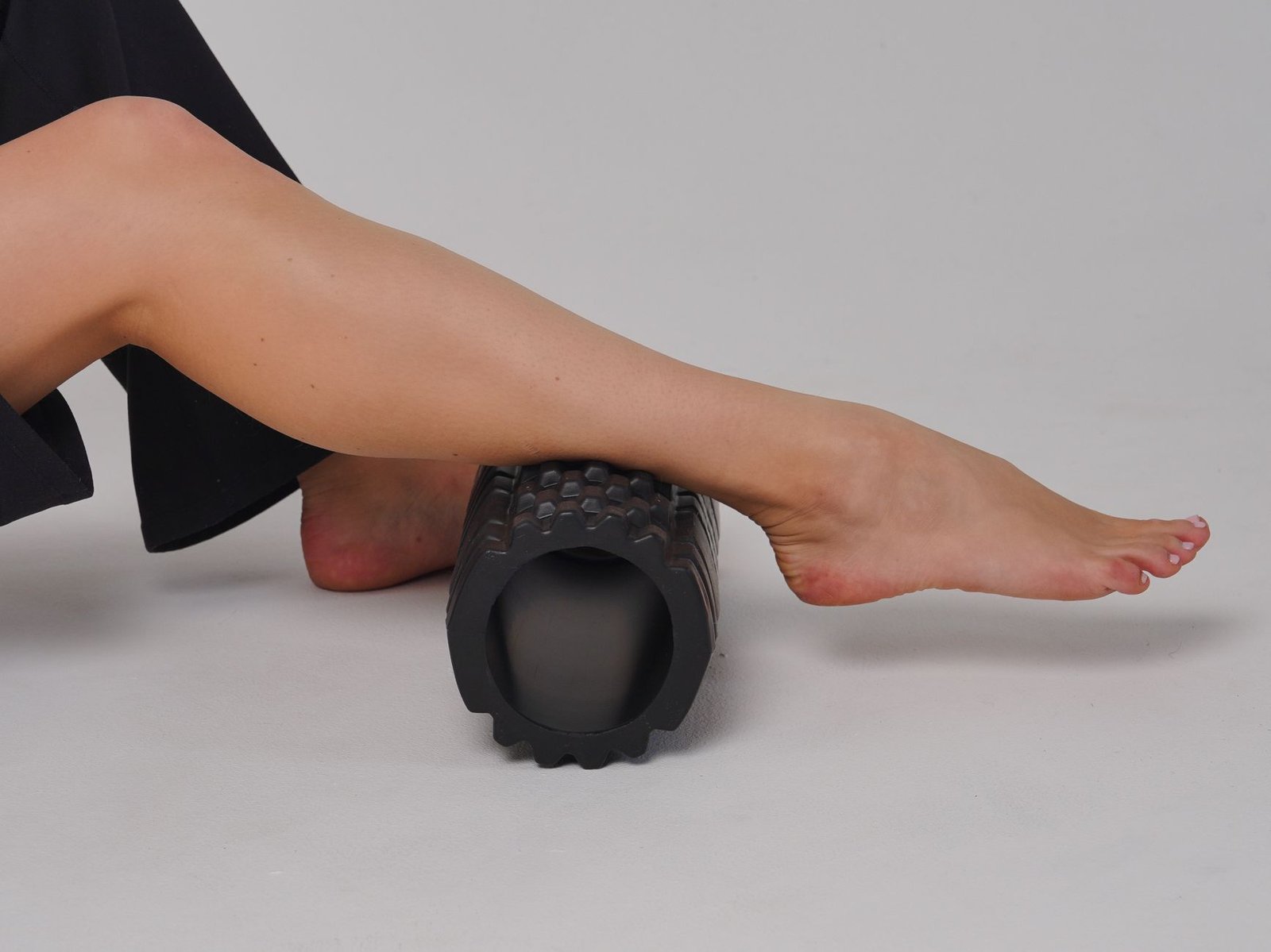
A hard leg day can make stairs, chairs and the next morning feel surprisingly dramatic. The useful response is usually simple: keep moving, eat enough, protect sleep and avoid piling another large lower-body stress on top before you are ready.

Active Recovery vs Complete Rest: Which Is Better?

Athlete walking at an easy pace on a recovery day

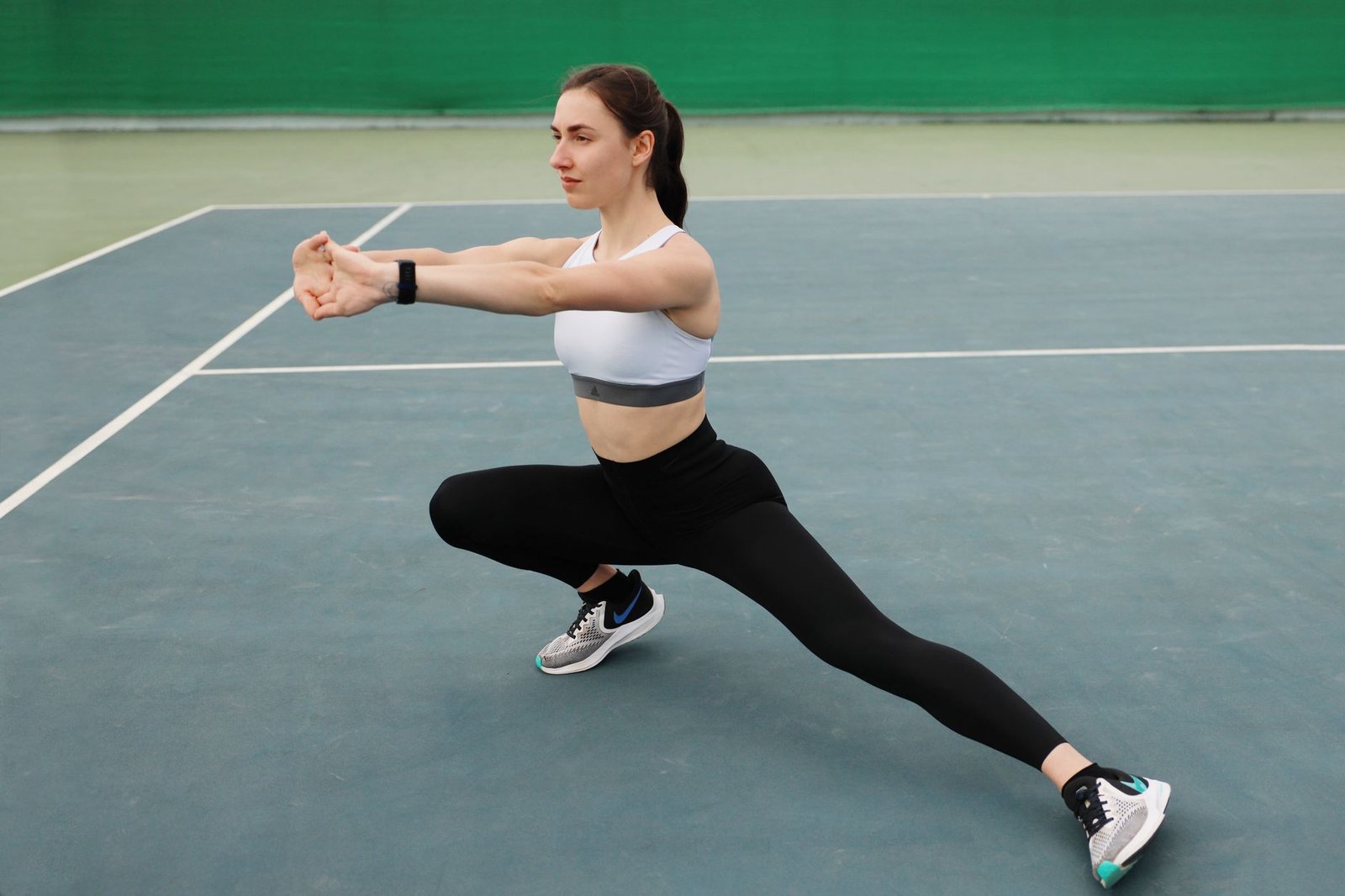
Some recovery days are better with a walk, easy bike or a short mobility session. Others are better with nothing more ambitious than normal daily movement. The choice should follow the kind of fatigue you have, not a rule that says active recovery is always superior.

Sleep and Muscle Recovery: What Actually Matters?

Athlete sleeping as part of recovery from training

There is no recovery gadget that compensates well for repeatedly short nights. Sleep affects training readiness, perceived effort, concentration and performance at the same time. The practical target is not a perfect sleep score; it is enough good sleep, often enough, that training quality stays stable.

How Much Rest Do You Need Between Strength Workouts?

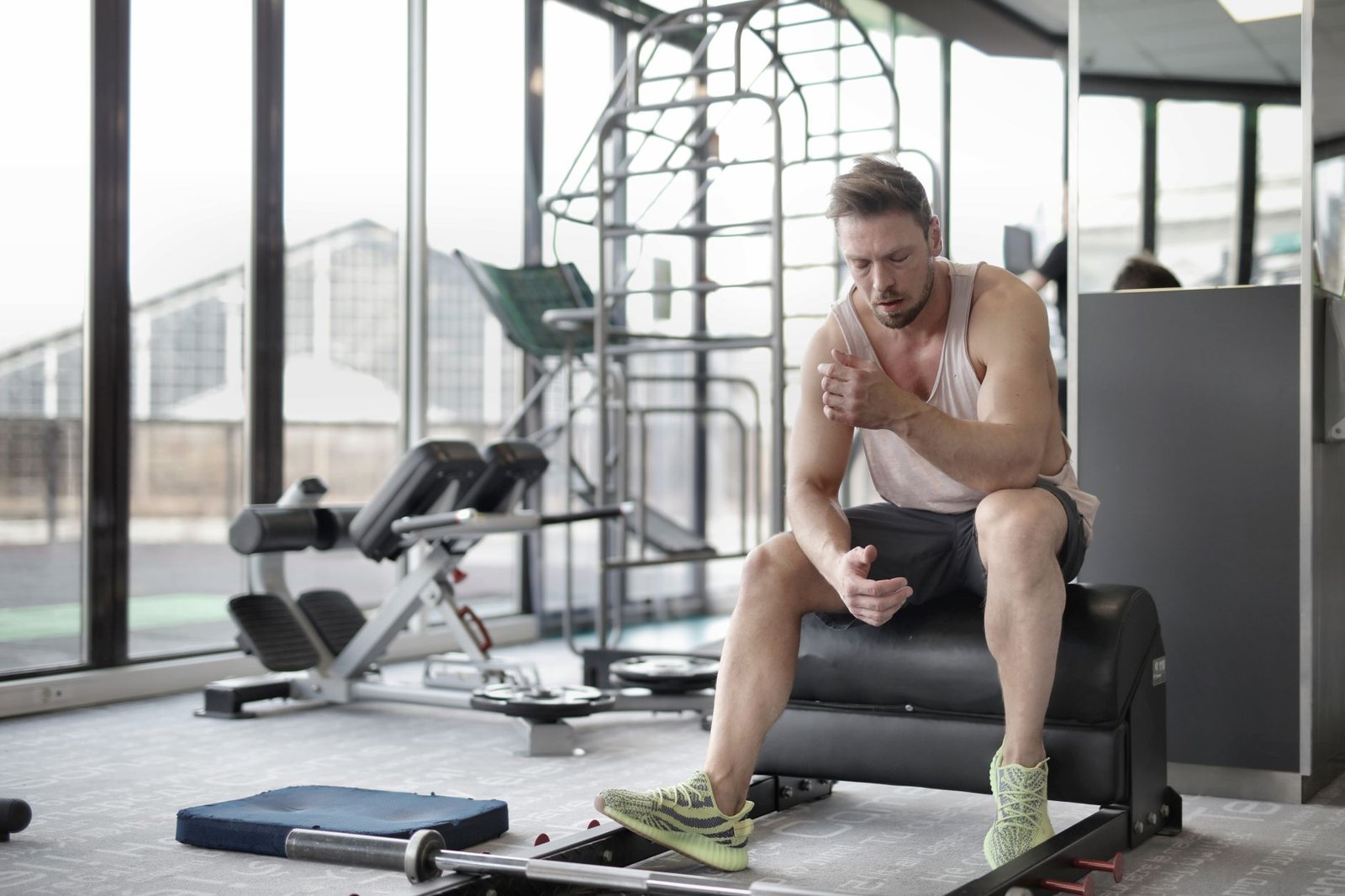
Strength athlete resting between training sessions in a gym

The familiar “wait 48 hours” rule is too crude for real training. A hard set of squats, an easy technique session and a high-volume bodybuilding workout do not create the same recovery demand. Judge the next session by what you trained, how hard it was and how normal the warm-up feels.

Should You Train With Sore Muscles?

Athlete resting after a demanding workout

Sore muscles do not automatically mean the session is cancelled. Mild, familiar DOMS often improves once you warm up. The important question is whether soreness changes movement quality, force or coordination—or feels more like pain than the usual diffuse ache after hard training.