Chest Mobility Routine

A practical, evidence-aware guide to chest mobility routine, with clear limits, useful context and training-focused takeaways.
Evidence-informed movement and recovery
Recorefit articles about mobility
A practical, evidence-aware guide to chest mobility routine, with clear limits, useful context and training-focused takeaways.

Chest mobility is not just about stretching the pecs. Useful upper-body motion depends on how the ribcage, thoracic spine, shoulder blades and shoulders work together for the task you are trying to perform.

Mobility before training and mobility after training are not the same job. Before a workout, use just enough to improve the positions you are about to train. Afterward—or in a separate session—you have more room for slower flexibility work that would be unnecessary before heavy or explosive exercise.

If an overhead position feels blocked, the upper back is an easy place to blame. Sometimes it matters; sometimes the real limiter is the shoulder blade, shoulder joint, rib position or trunk control. Test the movement, change one thing, then retest before deciding what needs work.
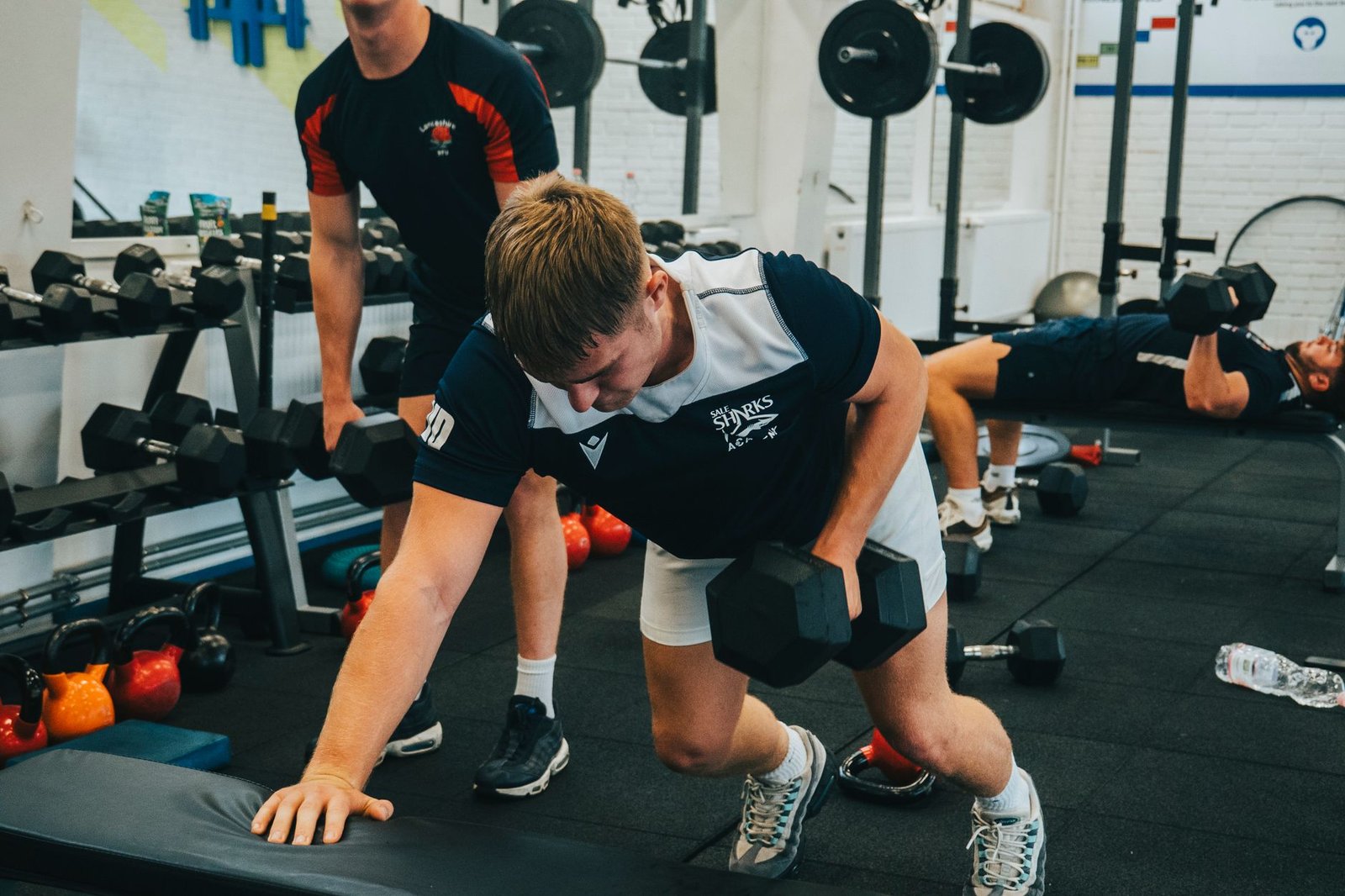
When a squat feels blocked, “tight hips” is often the first explanation. It is not always the right one. Stance, ankle motion, hip anatomy, trunk position, strength and simple familiarity with the movement all influence depth. Change one variable at a time and judge the squat, not the stretch.

A strong overhead position does not require circus-level shoulder flexibility. It requires enough shoulder and upper-back motion to get the arms overhead without borrowing the missing range from the lower back. The useful target is a position you can control and press from.

Ankle range can make a squat feel smooth or awkward, but it is only one part of the movement. A quick weight-bearing test, followed by a squat retest, tells you far more than assuming every depth problem comes from stiff calves.

A useful warm-up should leave you warmer, more coordinated, and ready for the first working set—not tired. This 10-minute routine uses simple movements that can be scaled for beginners and adjusted for strength, cardio, or circuit training. The short version Begin easy and increase range or pace over several minutes. Use movements that resemble the … Read more

A structured mobility plan with assessment, weekly programming, progression, and exercise examples for beginner, intermediate, and advanced trainees.
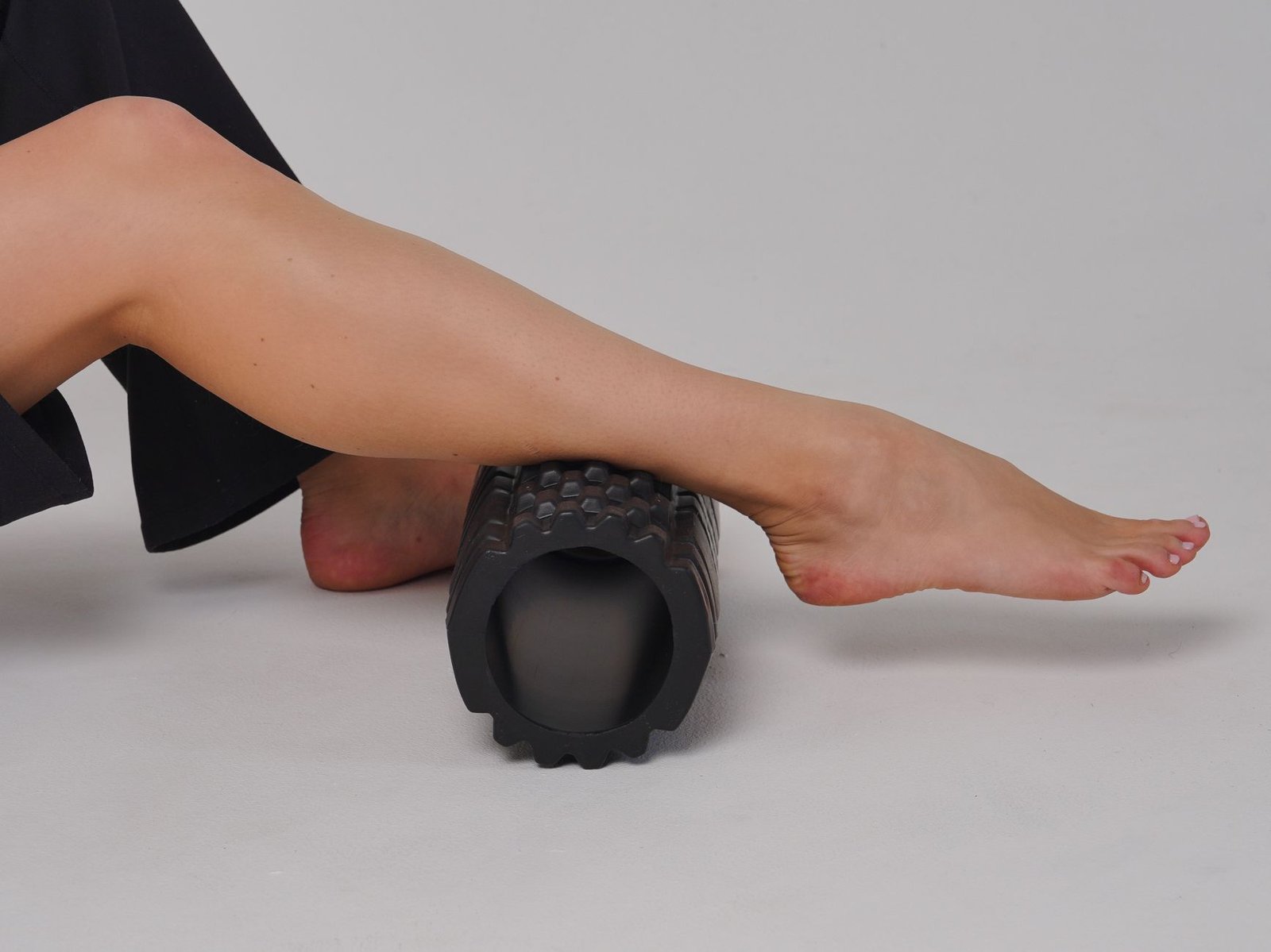
Does foam rolling really improve recovery? A clear look at soreness, range of motion, performance, timing, and realistic expectations.