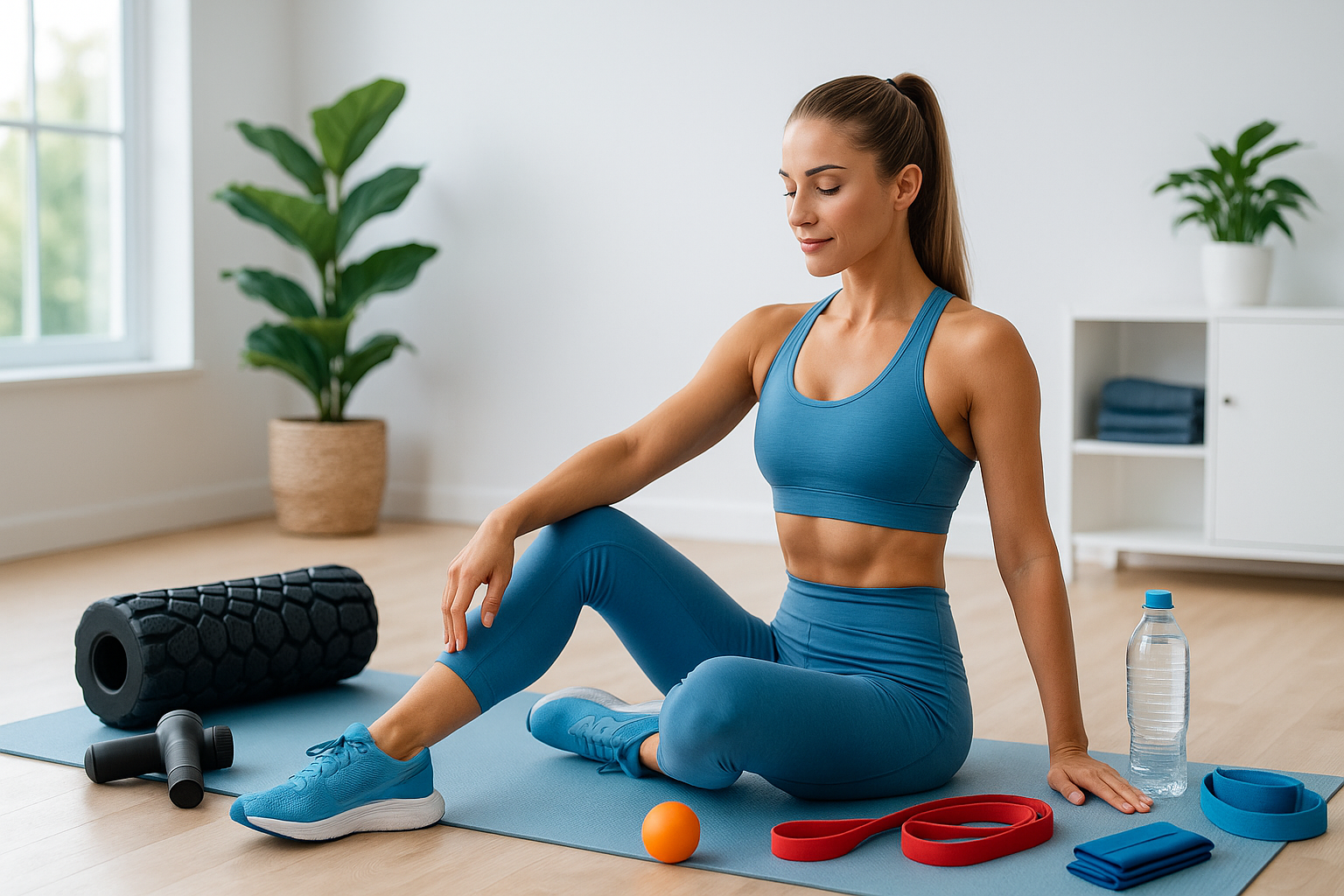
Recovery doesn’t have to mean expensive gym visits or professional therapy sessions. The best recovery tools for home use include foam rollers, massage guns, compression devices, and thermal therapy options that can significantly reduce muscle soreness and speed up healing between workouts.
These tools make it easy to address tight muscles, improve blood flow, and prevent injuries right from your living room.

Home recovery has become more important as people spend longer hours sitting at desks or pushing through intense workout routines. The right tools can help your muscles repair faster and keep you feeling fresh for your next training session.
From simple lacrosse balls to high-tech massage devices, there’s a recovery solution for every budget and fitness level. Smart recovery choices can save you time and money while keeping your body in peak condition.
Whether you’re dealing with post-workout soreness or everyday tension from daily activities, having the right tools at home means you can address problems before they become bigger issues.
Key Takeaways
- Foam rollers and massage guns provide effective muscle relief and can be used before or after workouts.
- Compression devices and cold therapy options help reduce inflammation and speed up recovery time.
- Simple tools like lacrosse balls and resistance bands offer affordable ways to maintain muscle health at home.
Understanding Recovery Tools for Home Use
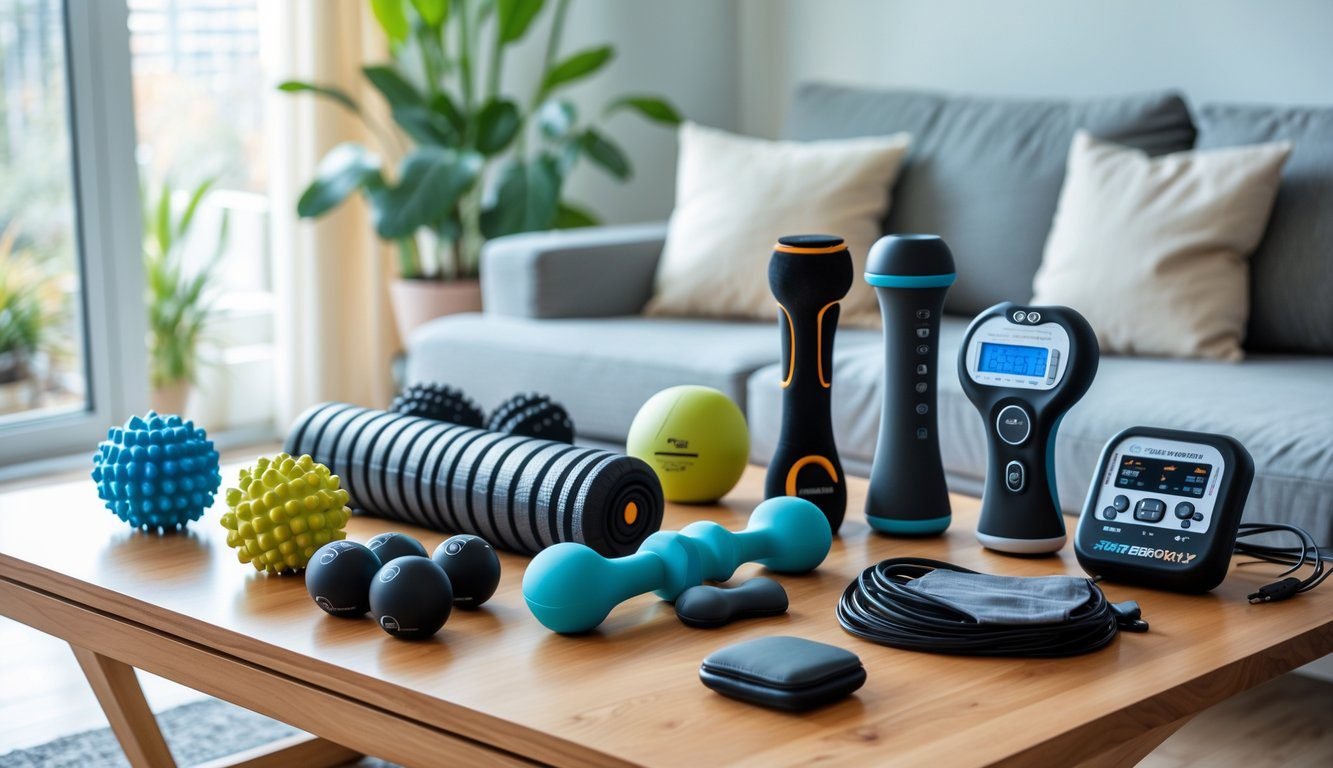
Recovery tools help your body heal faster after workouts and reduce muscle soreness. These devices use proven methods like massage, heat, and compression to speed up the recovery process at home.
What Are Recovery Tools?
Recovery tools are devices that help your body repair itself after physical activity or daily stress. They work by improving blood flow, reducing muscle tension, and supporting your body’s natural healing process.
Common types include:
• Foam rollers for muscle release
• Massage guns for deep tissue work
• Heat pads for pain relief
• Cold therapy wraps for swelling
• Compression sleeves for circulation
These tools use scientific principles like vibration therapy, myofascial release, and thermotherapy. Vibration helps break up muscle knots while heat increases blood flow to injured areas.
Cold therapy reduces inflammation and numbs pain. Compression improves circulation and reduces swelling in your legs and arms.
Most recovery tools work in 5-15 minute sessions. They target specific muscle groups or problem areas on your body.
Key Benefits of Using Recovery Tools at Home
Using recovery tools at home saves time and money compared to spa visits or massage appointments. You can use them whenever your muscles feel sore or tight.
Physical benefits include:
• Reduced muscle soreness after workouts
• Faster healing from minor injuries
• Better flexibility and range of motion
• Less stiffness in joints
Recovery tools also improve your sleep quality and energy levels. When your muscles feel better, you sleep deeper and wake up refreshed.
Regular use helps prevent overuse injuries. This keeps you active and consistent with your workouts.
The convenience factor matters most for busy people. You can use a foam roller while watching TV or apply a heating pad while reading.
Home recovery tools pay for themselves quickly. One massage gun costs less than five professional massage sessions.
How to Build a Home Recovery Routine
Start with basic tools that match your main problem areas. If your legs get sore from running, buy compression sleeves and a foam roller first.
Daily routine structure:
• 5 minutes of foam rolling after workouts
• Heat therapy before bed for relaxation
• Cold therapy right after intense exercise
Time your recovery based on your workout schedule. Use tools within 2 hours after exercise for best results.
Create a dedicated space for your recovery tools. Keep them visible so you remember to use them daily.
Track how you feel before and after using each tool. This helps you find which devices work best for your body.
Start with 5-10 minute sessions and increase gradually. Overusing recovery tools can make soreness worse instead of better.
Combine multiple tools for better results. Use a massage gun on tight spots, then follow with gentle stretching.
Foam Rollers and Foam Rolling Techniques
Foam rollers work by applying pressure to tight muscles and breaking up knots in tissue. Different roller types target specific needs, while proper technique prevents injury and maximizes pain relief benefits.
Types of Foam Rollers for Home Use
Smooth foam rollers work best for beginners. They provide gentle pressure across large muscle areas.
These rollers cost less and feel comfortable during first-time use. Textured foam rollers feature ridges and bumps that dig deeper into muscle tissue.
The TriggerPoint GRID 1.0 offers different surface patterns for targeted massage. These rollers support up to 500 pounds.
Vibrating foam rollers combine traditional rolling with vibration therapy. The vibration helps increase blood flow and reduces muscle tension faster than standard rollers.
Density levels matter for comfort and effectiveness. Soft rollers suit sensitive users and beginners.
Medium-density rollers work for most people. Firm rollers provide deep tissue work for experienced users.
Size options include full-length rollers at 36 inches for back work. Half-length rollers at 18 inches save storage space.
Travel rollers fit in gym bags but limit exercise options.
How to Use a Foam Roller Safely
Start slowly with light pressure when first using any foam roller. Apply only as much weight as feels comfortable.
Increase pressure gradually over multiple sessions. Roll slowly across muscle groups.
Move about one inch per second. Fast rolling reduces effectiveness and can cause injury.
Avoid rolling over joints, bones, and the lower back. Focus only on muscle tissue.
Never roll directly on the spine or neck area. Limit sessions to 30-60 seconds per muscle group.
Over-rolling can increase soreness and inflammation. Short sessions provide better results.
Breathe normally during foam rolling. Holding breath creates tension and reduces benefits.
Deep breathing helps muscles relax under pressure. Stop if sharp pain occurs.
Muscle discomfort is normal, but sharp or shooting pain signals potential injury. Rest and consult a healthcare provider if pain persists.
Foam Rolling for Specific Muscle Groups
Calf muscles respond well to foam rolling for runners and athletes. Sit on the floor with legs extended.
Place the roller under one calf and lift hips off the ground. Roll from ankle to knee.
Quadriceps rolling helps with knee pain and tight thighs. Lie face down with the roller under your thighs.
Use your forearms to support your upper body. Roll from hip to just above the knee.
IT band work requires gentle pressure along the outer thigh. Lie on your side with the roller positioned between your hip and knee.
This area is very sensitive, so use light pressure. Glute rolling targets the largest muscle group in the body.
Sit on the roller with one ankle crossed over the opposite knee. Lean toward the crossed leg and roll slowly.
Back muscles need careful attention. Lie on your back with the roller positioned under your shoulder blades.
Keep your core engaged and avoid rolling over the spine directly.
Massage Guns and Percussive Therapy
Massage guns deliver targeted muscle relief through rapid percussive movements that penetrate deep tissue layers. These devices offer multiple attachment options for specific muscle groups and require proper technique to maximize recovery benefits while avoiding injury.
Best Massage Guns for Home Recovery
The Ekrin Athletics B37 stands out as the top choice for home users. It delivers 56 pounds of stall force with a 12mm amplitude.
The device offers 8 hours of battery life and five speed settings from 1,400 to 3,200 RPM. Budget-conscious users should consider the Bob & Brad Q2 Pro.
This compact 1-pound device provides 35 pounds of force and includes a unique hot/cold therapy attachment. The quiet motor makes it ideal for shared living spaces.
For maximum power, the Bob & Brad D6 Pro delivers 85 pounds of stall force. This creates the deepest tissue penetration available in consumer massage guns.
The adjustable head design helps reach difficult areas like the upper back. Key features to prioritize:
- Stall force between 35-60 pounds for most users
- Battery life of 2+ hours
- Multiple speed settings
- Carrying case for portability
Massage Gun Attachments and Their Uses
Different attachment heads target specific muscle groups and pain relief needs. The ball attachment works best for large muscle groups like quads and hamstrings.
Its rounded surface distributes pressure evenly across broad areas. The bullet or cone attachment penetrates trigger points and knots.
Use this pointed head on specific pain spots in the shoulders, feet, or calves. Apply gentle pressure to avoid tissue damage.
Fork attachments straddle the spine and Achilles tendon safely. The split design allows massage around sensitive areas without direct contact.
This prevents injury to bones and tendons. Flat attachments work well on dense muscle areas like the IT band.
The broad surface spreads force across larger areas. This reduces intensity while maintaining therapeutic benefits.
Heated attachments warm muscles before treatment. Several models now include temperature therapy options.
Heat helps muscles relax and improves blood flow during recovery sessions.
Proper Percussive Therapy Practices
Start with the lowest speed setting and gradually increase intensity. Spend 30-60 seconds per muscle group to avoid overuse.
Never apply massage guns directly to bones, joints, or the spine. Safe technique guidelines:
- Hold the device perpendicular to the muscle
- Let the gun do the work without added pressure
- Move slowly across the muscle surface
- Stop if pain increases during treatment
Use massage guns before workouts to activate muscles and improve flexibility. Post-workout sessions help reduce delayed onset muscle soreness (DOMS).
Research shows consistent use significantly reduces muscle pain and improves recovery time. Avoid using massage guns on injured areas without medical clearance.
Pregnant women and people with certain medical conditions should consult healthcare providers first. Never use percussive therapy on the neck, head, or over major arteries.
Limit sessions to 15 minutes total per day. Extended use can cause muscle soreness or bruising.
Focus on 2-3 problem areas rather than full-body treatment for better results.
Compression and Leg Compression Devices
Compression devices use air chambers to squeeze muscles and improve blood flow, making them valuable tools for home recovery. These machines help reduce muscle soreness and speed up the recovery process after intense workouts.
How Compression Aids Recovery
Compression devices work by applying pressure to muscles in a rhythmic pattern. This squeezing action pushes blood through veins back to the heart more efficiently.
When muscles receive better blood flow, they get more oxygen and nutrients. This process helps remove waste products like lactic acid that build up during exercise.
Key recovery benefits include:
• Reduced muscle soreness and stiffness
• Faster removal of metabolic waste
• Improved circulation to tired muscles
• Enhanced lymphatic drainage
Research shows compression therapy can reduce the risk of blood clots by up to 10% in certain situations. The devices are particularly effective for active recovery between training sessions.
Most compression machines offer multiple intensity levels. Users can start with light pressure and increase as needed for comfort and effectiveness.
Choosing Home Compression Devices
Price ranges vary significantly, from $65 for basic calf units to $200 for full-leg systems. Leg compression devices typically offer 3-6 massage modes and adjustable intensity settings.
Essential features to consider:
• Number of air chambers for even pressure
• Heat options for added muscle relaxation
• Automatic shutoff for safety
• Velcro closures for proper fit
One-size-fits-all sleeves work for most users, though some manufacturers offer size extensions. The device should fit snugly without being uncomfortable.
Full-leg models cover thighs, calves, and feet for complete treatment. Calf-only units cost less but provide more limited coverage.
Look for machines with handheld controllers and preset timer options. These features make the devices easier to use during recovery sessions.
Cold Therapy and Thermal Recovery Solutions
Cold therapy reduces inflammation and speeds muscle recovery through controlled temperature application. Hot and cold therapy combinations maximize recovery benefits by improving blood flow and reducing pain.
Popular Cold Therapy Tools
Ice baths remain the gold standard for athletes, but home users have easier options. Cold therapy machines like the Breg Polar Care Wave provide consistent temperature control without ice preparation.
Gel packs offer the most affordable entry point. They stay flexible when frozen and conform to body parts.
Most gel packs work for both hot and cold therapy. Cold therapy machines deliver professional-grade treatment.
These devices circulate cold water through specialized pads. They maintain steady temperatures for 4-6 hours.
Key features to consider:
• Temperature consistency
• Pad variety for different body parts
• Battery or plug-in operation
• Compression capabilities
The DonJoy Iceman systems use dual pump technology for accurate temperature control. The Aircast Cryo Cuff combines cold with measured compression for joint injuries.
Cold Plunge Benefits for Home Recovery
Cold plunges trigger physiological responses that accelerate recovery. Water temperatures between 50-59°F provide optimal benefits without tissue damage risk.
Immediate effects include reduced inflammation and muscle soreness. Cold water constricts blood vessels, limiting swelling after intense workouts.
Long-term benefits include improved sleep quality and faster metabolism. Regular cold exposure strengthens the immune system and enhances focus.
Home cold plunge options range from simple ice baths to dedicated plunge tubs. Fill a bathtub with cold water and ice for basic treatment. See our guide: Foam Rolling Techniques: The Ultimate Guide for Muscle Recovery
Purpose-built units maintain consistent temperatures automatically. Start with 2-3 minutes at moderate temperatures.
Gradually increase time and decrease temperature as tolerance builds. Never exceed 15 minutes in cold water.
Combining Hot and Cold Therapy
Contrast therapy alternates hot and cold treatments for enhanced recovery. This method improves circulation better than single-temperature approaches.
Standard protocol involves 3-4 minutes of heat followed by 1 minute of cold. Repeat this cycle 3-5 times, always ending with cold.
Hot therapy dilates blood vessels and increases blood flow. Cold therapy constricts vessels and reduces inflammation.
This pumping action helps flush metabolic waste from muscles. The RecoveryTherm Cube offers both heating and cooling in one device.
Users can program custom contrast therapy sessions. Manual methods using heating pads and ice packs work well too.
Timing matters for maximum benefit. Apply contrast therapy within 2 hours post-workout.
The temperature difference should be significant. Aim for 20-30 degree gaps between hot and cold phases.
Supplements and Hydration for Optimal Recovery
Quality supplements and proper hydration speed muscle repair and reduce post-workout fatigue. The right combination of protein, creatine, and electrolyte replacement creates the foundation for faster recovery at home.
Key Supplements for Muscle Repair
Protein powder remains the most important recovery supplement for muscle building and repair. Athletes need about one gram of protein per pound of body weight daily.
Plant-based protein powders are easier on the stomach than whey options. Look for blends that include recovery ingredients like tart cherry and probiotics.
Creatine is one of the most researched supplements available. It helps muscles store more energy and speeds recovery between workouts.
Taking 3-5 grams of creatine daily can improve strength and reduce muscle soreness. New studies show it may also support brain health.
Key supplements to consider:
• Protein powder (20-30g per serving)
• Creatine monohydrate (3-5g daily)
• Magnesium for muscle relaxation
Regular supplement use keeps nutrient levels stable. This leads to more consistent recovery results over time.
Hydration Strategies and Tools
Proper hydration reduces inflammation and improves nutrient delivery to muscles. Water alone isn’t enough after intense workouts.
Electrolyte powders replace sodium and potassium lost through sweat. Choose options made with real fruit instead of artificial sweeteners.
Drink electrolyte solutions immediately after training. This prevents cramps and maintains proper fluid balance.
Hydration timing matters:
• Pre-workout: 16-20 oz water 2 hours before
• During: 6-8 oz every 15-20 minutes
• Post-workout: Replace 150% of fluid lost
Keep a large water bottle nearby during home workouts. Track daily intake to ensure you’re drinking enough for recovery needs.
Active and Mindful Recovery Techniques
Active recovery combines gentle movement with mental wellness practices to speed up healing. Meditation and stress management work together to reduce pain and improve sleep quality during recovery periods.
Importance of Active Recovery at Home
Active recovery means doing light activities instead of complete rest. This approach helps blood flow better through sore muscles.
It also prevents stiffness that comes from sitting still too long. Light walking is one of the best active recovery methods.
People can walk around their house or yard for 10-15 minutes. This gentle movement helps remove waste products from muscles.
Gentle stretching works well for tight areas. Simple arm circles and leg swings help joints stay loose.
These movements should never cause pain. Other effective options include slow yoga poses and easy swimming motions (without water).
Light housework like folding laundry can also help. The key is keeping intensity very low.
Heart rate should stay calm during these activities. This lets the body heal while staying mobile.
Meditation and Stress Management for Recovery
Meditation helps the body repair itself faster. Stress hormones slow down healing, but calm breathing reduces these harmful chemicals.
Even five minutes of deep breathing can make a difference. Simple breathing exercises work anywhere in the house.
Breathe in for four counts, hold for four, then breathe out for six counts. This pattern calms the nervous system quickly.
Body scan meditation helps find tense areas. Lie down and focus on each body part from toes to head.
Notice tight spots and breathe relaxation into those areas. Stress management techniques include listening to calm music, taking warm baths, and writing in a journal.
These practices lower pain levels and improve sleep. Better sleep means faster recovery and less soreness the next day.
Preventing Injuries and Maximizing Recovery
Smart recovery habits protect your body from breakdown while speeding up healing. Home-based physical therapy techniques can stop overuse injuries before they start.
Role of Recovery in Avoiding Overuse Injuries
Overuse injuries happen when muscles, tendons, and joints don’t get enough time to repair themselves. These injuries build up slowly over weeks or months.
Recovery tools help break this cycle. Foam rollers release tight spots in muscles before they turn into bigger problems.
Using a foam roller for just 5-10 minutes after workouts keeps muscles loose. Massage guns increase blood flow to tired muscles.
Better blood flow means faster healing and less chance of injury. Rest days are just as important as workout days.
Your muscles grow and repair during rest periods, not during exercise. Key recovery habits that prevent overuse injuries include using foam rollers 3-4 times per week and taking at least one full rest day weekly.
Apply ice or heat to sore spots right away. Get 7-9 hours of sleep each night.
Listen to your body. Small aches today can become major injuries if ignored.
Integrating Physical Therapy at Home
Physical therapy exercises keep joints moving properly and muscles balanced. You don’t need expensive equipment to do basic physical therapy at home.
Resistance bands are perfect for physical therapy work. They provide gentle resistance that strengthens weak muscles without strain.
Use light bands for shoulder and hip exercises. Lacrosse balls work great for trigger point release.
Roll the ball under tight spots in your feet, back, or glutes for 30-60 seconds. Simple exercises you can do daily include calf stretches against a wall and hip circles.
Try leg swings, shoulder blade squeezes, and gentle neck rolls. Start with 5-10 minutes of these movements each morning.
This warms up your joints before daily activities. Heat therapy works well before stretch Related: Are Resistance Bands Good for Recovery? Benefits & How to Useing.
It makes muscles more flexible and easier to work with. Many physical therapy apps offer guided routines you can follow at home.
They show proper form and track your progress over time.
Frequently Asked Questions
Many people have questions about choosing the right recovery tools for their home setup. These answers cover the most effective options for different types of workouts, specific recommendations for athletes and runners, and key features to consider when making purchases.
What are the top-rated muscle recovery tools for home workouts?
Percussion massage guns rank as the most popular choice for muscle recovery at home. These devices use vibration therapy to reduce soreness and improve blood flow after workouts.
Foam rollers remain a top-rated option for their versatility and effectiveness. They work well for targeting large muscle groups like quads, hamstrings, and back muscles.
Compression sleeves and boots provide excellent recovery benefits through improved circulation. Many users report faster recovery times when using these tools consistently.
Infrared heating pads offer deep tissue relief for chronic muscle tension. They work particularly well for lower back and neck areas that get tight from poor posture.
Which recovery equipment is recommended for athletes training at home?
Professional-grade percussion massagers like Theragun and Hypervolt provide the intensity athletes need. These tools offer multiple speed settings and attachments for different muscle groups.
Compression recovery boots deliver pneumatic compression therapy similar to what athletes use in training facilities. Brands like Normatec and Air Relax are popular choices among serious athletes.
Cold therapy tools including ice baths and cryotherapy devices help reduce inflammation after intense training sessions. Athletes often alternate between hot and cold treatments for maximum benefit.
Recovery mats with acupressure points help athletes with flexibility and muscle tension release. These tools work well for daily maintenance between harder training days.
How do at-home recovery tools for runners differ from those designed for general fitness?
Running recovery tools focus heavily on lower body muscle groups. Specialized foam rollers target IT bands, calves, and plantar fascia more effectively than general fitness tools.
Compression socks and calf sleeves are specifically designed for runners who need improved circulation in their legs. These tools help prevent shin splints and reduce post-run swelling.
Massage balls work better than larger tools for targeting specific trigger points in feet and lower legs. Runners often deal with tight spots that require precise pressure application.
Cold therapy tools like ice cups and cold packs are essential for runners dealing with repetitive stress injuries. These tools help manage inflammation from high-impact activities.
Can you suggest the most effective recovery products for post-exercise relief?
Massage guns provide immediate relief for muscle soreness within 15-30 minutes after workouts. Users should start with lower intensities and gradually increase pressure as muscles relax.
Heat therapy wraps work well for chronic muscle tension and stiffness. Infrared heating pads penetrate deeper than traditional heat pads for more effective relief.
Stretching straps help people achieve better flexibility and muscle length after exercise. These simple tools make it easier to hold stretches for the recommended 30-60 seconds.
Epsom salt baths combine heat therapy with magnesium absorption for whole-body recovery. This method works particularly well after long or intense training sessions.
What features should be considered when choosing recovery tools for home exercise routines?
Battery life matters most for electronic devices like massage guns and heated tools. Look for products that offer at least 2-3 hours of continuous use per charge.
Noise levels become important when using tools in apartments or shared living spaces. Quieter devices allow for use during early morning or late evening recovery sessions.
Portability affects how often people actually use their recovery tools. Lighter, more compact options are more likely to be used consistently.
Multiple intensity settings allow users to customize their recovery based on muscle soreness levels and personal preferences. This feature extends the usefulness of tools over time.
Are there any recovery tools for home recommended by healthcare professionals?
Physical therapists frequently recommend foam rollers for myofascial release and muscle maintenance. Research supports their effectiveness for reducing muscle soreness and improving flexibility.
Many chiropractors suggest percussion massage devices for patients with chronic muscle tension. These tools can help maintain the benefits of professional treatments between appointments.
Sports medicine doctors often recommend compression therapy for patients recovering from injuries. Graduated compression helps reduce swelling and improve healing times.
Healthcare professionals commonly suggest heat therapy tools for chronic pain management. Infrared heating pads are often preferred for their deeper penetration and safety features.
Related Articles
Learn how stretching boosts recovery with Daily Stretching Habits.
Improve mobility after tough training using Mobility Training for Recovery.
Try these simple routines for sore muscles: Post Workout Recovery Routine.
Relieve tension quickly with How to Relieve Sore Muscles Fast.