Mobility Training at Home: Improve Flexibility and Joint Health Easily

Mobility training is the practice of improving your ability to move your joints and muscles through their full range of motion with control and strength.

Unlike simple stretching, mobility work focuses on movement quality — the kind that helps you perform daily tasks with ease and reduces your risk of injury.

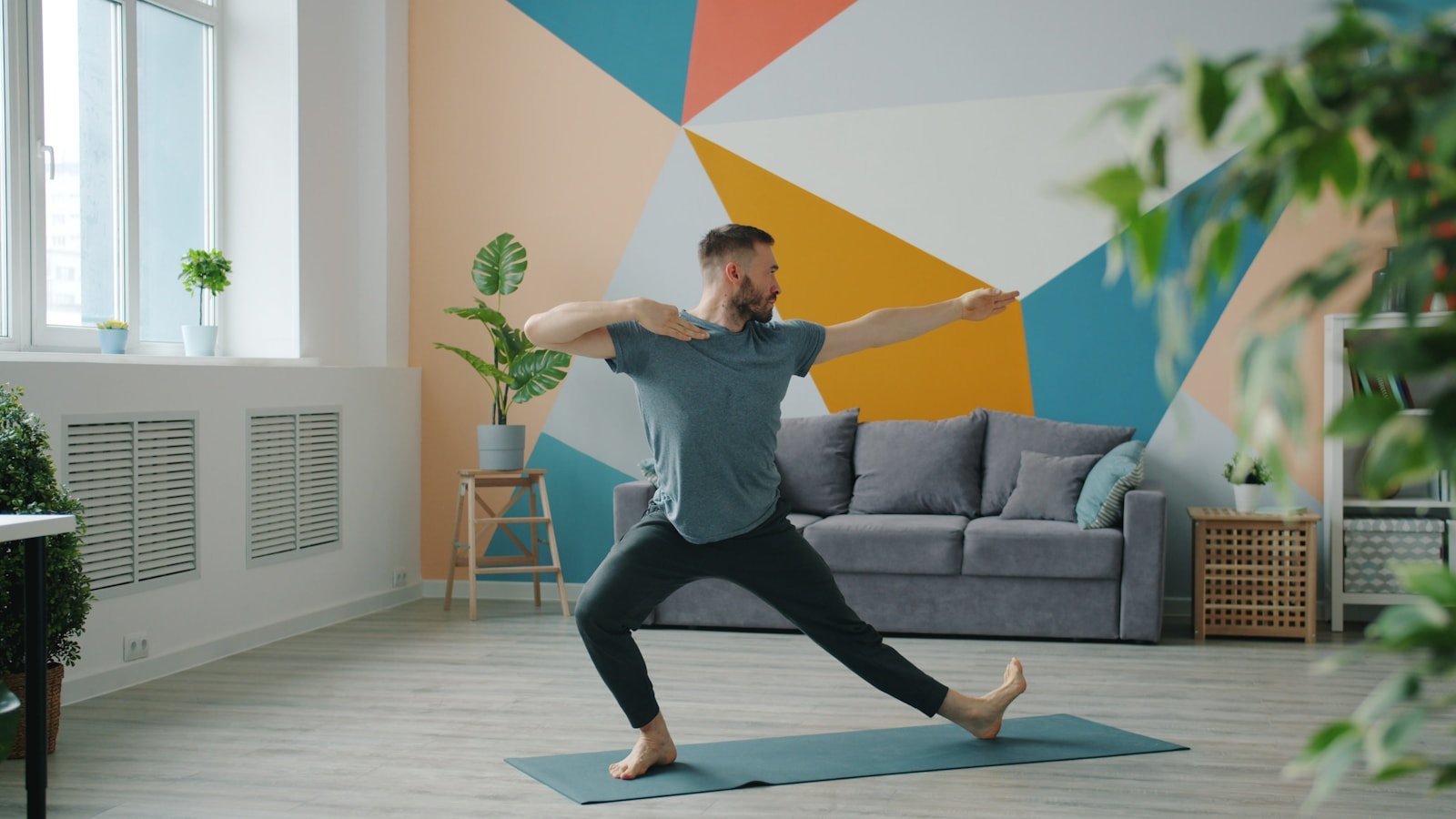
Person doing mobility training exercises on a yoga mat in a bright living room at home.

Many people struggle with stiff hips, tight shoulders, and limited movement from sitting too much or not moving enough. The good news is that you can address these issues at home without expensive equipment or gym memberships.

Just 10 minutes of daily mobility work can make a real difference in how your body feels and functions — especially if you combine it with smart recovery habits. (If you want a simple recovery overview too, see: Home Workout Recovery Tips.)

Home mobility training is perfect for busy schedules and tight budgets. You can target problem areas like your lower back, shoulders, and hips using simple exercises that require only your body weight — and maybe a towel, wall, or pillow for support.

Key Takeaways

  • Mobility training improves joint movement and muscle control better than basic stretching alone
  • Daily 10-minute sessions at home can reduce stiffness and prevent common movement problems
  • Simple bodyweight exercises can target all major muscle groups without special equipment

What Is Mobility Training?

Person doing mobility exercises on a yoga mat in a bright living room with fitness accessories nearby.

Mobility training focuses on improving how joints move through their full range of motion with control and stability. This differs from simple stretching because it blends movement, strength, and coordination to enhance joint function.

Understanding Mobility and Flexibility

Mobility is your ability to move joints through their full range with control. Flexibility is more about muscle length and how far muscles can stretch.

The key difference is active control. Flexibility can be passive (how far you can “pull” into a position), while mobility is active (how well you can own that position).

A person might have flexible hamstrings but still lack hip mobility. Their muscles can stretch, but they can’t control movement through the full range — which often shows up as compensation (lower back strain, knee discomfort, shoulder pinching).

Mobility vs. Stretching and Stability

Traditional stretching usually means holding a muscle in a lengthened position for 15–60 seconds. Mobility training uses controlled movements and “strength-through-range” work.

Stretching benefits:

  • Increases muscle length
  • Reduces immediate tension
  • Promotes relaxation

Mobility training benefits:

  • Improves joint function
  • Builds strength through ranges
  • Enhances movement control

Stability is the foundation. Stable joints can move safely through larger ranges. Without stability, “more mobility” can lead to irritation or injury — especially in shoulders, knees, and lower back.

Importance of Range of Motion

Range of motion determines how far joints can move in different directions. Limited range affects daily tasks and exercise performance.

Example: Poor hip range of motion often forces the lower back to compensate during bending. Restricted shoulder mobility makes overhead work feel stiff or painful.

Age and inactivity naturally reduce range of motion. Joints become stiff when they don’t move through full ranges — but the good news is that mobility responds well to consistency.

If you want a deeper “why this works” explanation, pair this with: The Science of Muscle Recovery: What Actually Works.

Benefits of Mobility Training at Home

Regular mobility training at home improves joint function while reducing daily stiffness and discomfort. These benefits matter even more as you get older — or if you sit a lot.

Enhancing Joint Health and Function

Mobility work keeps joints moving through full ranges, which supports cartilage health and joint fluid circulation.

  • Improved range of motion in shoulders, hips, and spine
  • Better joint “lubrication” through movement
  • Reduced risk of joint degeneration over time

This is especially valuable if you also train strength at home. (Related: Recovery After Strength Training.)

Reducing Stiffness and Discomfort

Daily mobility work fights the stiffness that comes from sitting, stress, and repetitive positions. Moving joints through full ranges helps muscles relax and improves circulation.

  • Less muscle tension after long periods of sitting
  • Improved circulation to tight areas
  • Better “next-day” feel after training

If you frequently wake up stiff, you’ll likely benefit from combining mobility + a short daily stretch habit: Daily Stretching Habits.

Supporting Aging and Limited Mobility

Aging naturally reduces joint mobility and muscle elasticity — but mobility training can slow this process and help maintain independence longer.

  • Maintaining ability to perform daily tasks
  • Better balance and coordination
  • Reduced fall risk through improved joint control

Fundamental Mobility Exercises for Home

These movements combine joint range, control, and basic strength. You don’t need equipment — but simple tools can help (bands, foam roller, ball). See: Recovery & Mobility Gear.

Bodyweight Mobility Movements

Cat-cow improves spinal mobility. Deep squat holds build hip and ankle range. Lunges open hip flexors while training control.

World’s greatest stretch is a great “one move, many benefits” option for hips + T-spine + shoulders.

Dynamic Stretching Techniques

Dynamic stretching moves joints through ranges under control, and works great as a warm-up.

  • Hip circles (slow circles both directions)
  • Arm circles (small to large, forward/back)
  • Leg swings (front-to-back and side-to-side)
  • Ankle rocks (knee over toes, heel down)

Static vs. Dynamic Stretches

Dynamic stretches are best before activity. Static holds are best after training, when muscles are warm.

If you want a beginner-friendly stretching baseline, pair this with: Stretching for Beginners.

Essential Lower Body Mobility Movements

Hips and ankles drive most movement quality — walking, squatting, lifting, stairs. If these areas are stiff, the body compensates.

Improving Hip Flexor Flexibility

Hip flexors tighten from prolonged sitting. A kneeling hip flexor stretch (gentle pelvis tuck + slow forward shift) is a solid starting point. Learn more: The Complete Mobility Training Blueprint (Beginner to Advanced)

Hip Mobility Routines

Deep squat holds, hip circles, and side-lying leg lifts are simple ways to open and control the hips.

Supporting Ankle Mobility

Ankle circles and calf stretches improve dorsiflexion, which helps squat depth and knee tracking.

Upper Body Mobility for Everyday Life

Upper body mobility affects reaching, lifting, posture, and neck tension — especially for desk workers.

Shoulder and Spine Mobility Drills

Wall angels + cat-cow + shoulder circles cover a lot of ground quickly and help counter rounded posture.

Wrist and Forearm Flexibility

Typing and phone use tighten wrists/forearms. Prayer stretches, wrist circles, and forearm stretches help. For extra tissue work, foam rolling or ball work can help too.

Related (foam rolling): Foam Rolling Technique and The Ultimate Guide to Foam Rolling for Faster Recovery.

Neck and Thoracic Mobility

Gentle neck rotations + “thread the needle” help restore movement without forcing end ranges. Keep it smooth and pain-free.

Designing an Effective Home Mobility Routine

Structuring Warm Up and Cooldown

Warm up 5–10 minutes with dynamic movements. Cool down with 5 minutes of slower static holds (30–60 seconds) and relaxed breathing.

Incorporating Mobility into Daily Activity

Use habit stacking: 2–3 minutes after coffee, between meetings, or while dinner cooks. Short “micro-sessions” beat big sessions you never do.

Modifying for Limited Mobility or Injury

Use chair-based versions, reduce range of motion, and stay pain-free. If you’re rehabbing something specific, pairing mobility with gentle recovery work helps — see: Post Workout Recovery Routine.

Tools and Support for Mobility at Home

Using a Foam Roller and Other Equipment

A foam roller improves blood flow and tissue quality. Add lacrosse ball work for tight spots and resistance bands for controlled strength-through-range.

If you’re already using bands (or considering it), see: Are Resistance Bands Good for Recovery?

When to Consult a Physical Therapist

Seek help for sharp pain, numbness/tingling, balance issues, or symptoms that don’t improve. A PT can match movements to your situation and keep you progressing safely.

Progressing Your Mobility Training

Combining Mobility with Strength Training

The best mobility is often “earned” through strength in end ranges. A practical pattern:

  • Morning: 10–15 minutes mobility
  • Pre-workout: 5 minutes movement prep
  • Post-workout: 10 minutes targeted stretching

If you want to connect mobility with soreness management, this pairs well with: How to Relieve Sore Muscles Fast.

Tracking Improvement and Setting Goals

Track progress monthly Helpful: Dynamic Warm Up Routine at Home: Easy Steps for All Levels: photos (overhead reach, deep squat), range measurements, and pain scale notes. Set goals tied to movements (not vague flexibility targets).

Frequently Asked Questions

What are the key principles of mobility training for beginners at home?

Consistency beats intensity. Control matters more than depth. Improve range gradually. Active mobility is usually more useful than passive stretching alone.

How can someone start a mobility training program without any equipment?

Use bodyweight basics: hip circles, cat-cow, thoracic rotations, deep squat holds, and wall-supported drills.

What are the best mobility exercises for enhancing flexibility and strength?

Deep squats, lunges, bird dogs, shoulder towel “dislocations,” and controlled end-range holds are strong choices.

How often should mobility training sessions be conducted for optimal results?

Daily 10 minutes is ideal for most people. Add 5 minutes pre-workout on training days, and a longer session (20–30 min) on rest days if needed.

Are there any comprehensive mobility training programs available in PDF format?

Many coaches/PTs offer PDFs. Choose programs that include progressions, form cues, and pain-free modifications.

Can you recommend any effective mobility exercises specifically designed for men?

Men often benefit from extra hip flexor work, thoracic mobility, ankle dorsiflexion drills, and hamstring flexibility — especially if sitting a lot and lifting heavy.

Related Articles

Enhance recovery even more with Mobility Training for Recovery.

Improve joint mobility with Improve Flexibility and Mobility: The Ultimate Guide for Better Movement.

Relieve sore muscles fast using How to Relieve Sore Muscles Fast.

Build daily consistency with Daily Stretching Habits.