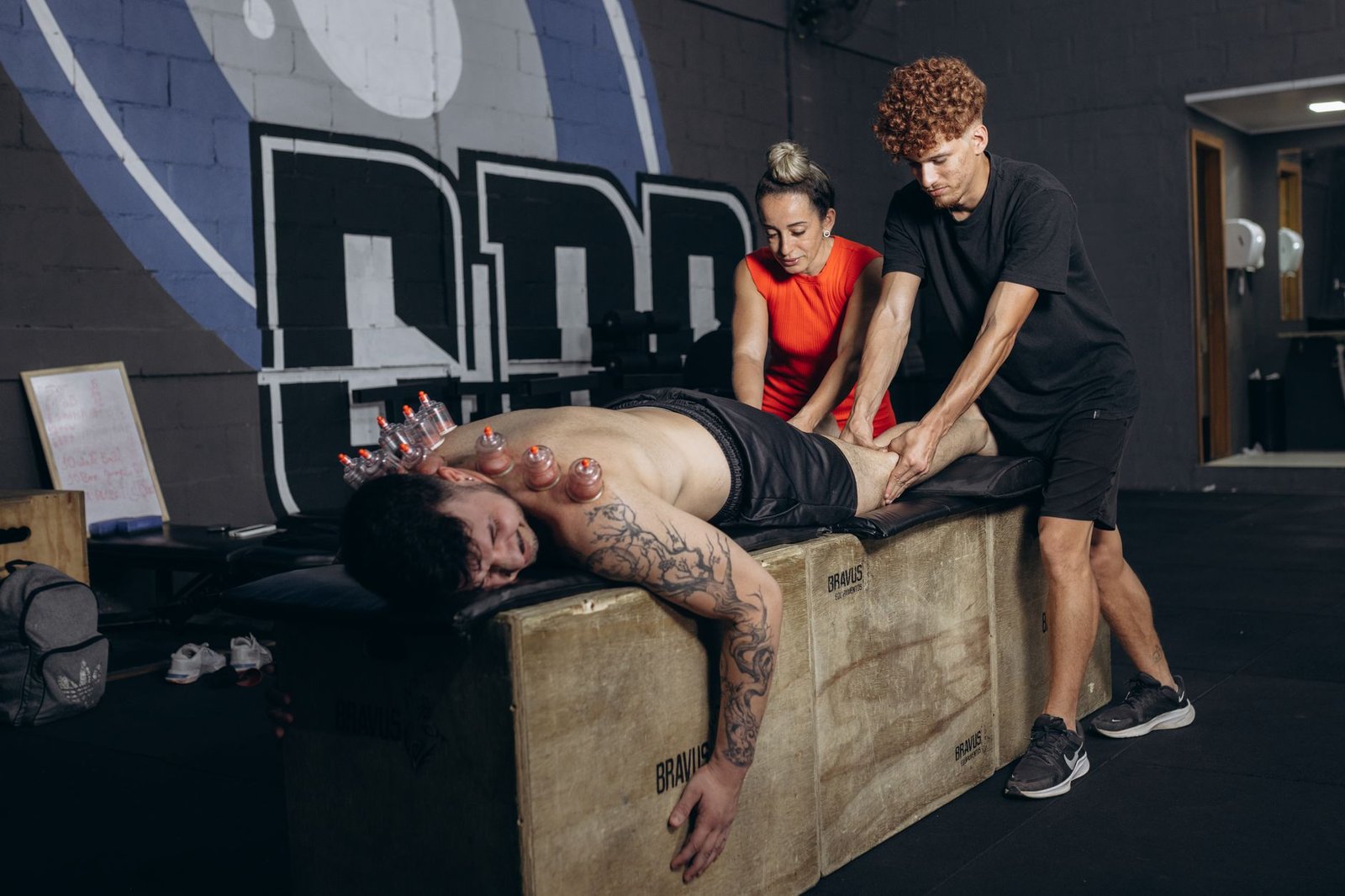
Most people focus on building strength but overlook two things that quietly decide how well the body actually moves: flexibility and mobility. If you’ve ever felt stiff getting out of a chair, struggled to squat comfortably, or noticed your shoulders feel “stuck” overhead, this is usually the missing piece.

When your muscles and joints can move through a full, controlled range of motion, everyday tasks feel easier and workouts feel smoother. The benefits aren’t just “more stretch” — better mobility often means less compensating, less joint stress, and fewer nagging aches over time.
Poor flexibility and mobility typically come from a simple mix: long hours sitting, repetitive movement patterns, and less daily movement as we get older. The good news is that progress happens fast when you practice consistently — and you don’t need long sessions to see change. If you want a simple foundation to build from, start with Daily Stretching Habits and add targeted mobility work a few times per week.
Key Takeaways
- Flexibility improves muscle length; mobility adds control and joint function — you need both for smooth movement.
- Combine dynamic warm-ups (before training) with static stretching (after) for the best results.
- Consistency beats intensity: 10–15 minutes most days works better than occasional long sessions.
Understanding Flexibility and Mobility

Flexibility focuses on how far muscles can stretch, while mobility combines that stretch with joint movement and muscle control. Range of motion affects everything from reaching overhead to walking up stairs.
How to Increase Mobility (Simple, Practical Approach)
If you’re wondering how to increase mobility, focus on small, repeatable actions that improve joint control over time. A short daily routine that combines gentle dynamic movements, controlled end-range holds, and strength through a full range of motion is usually more effective than occasional long stretching sessions. Prioritise the areas most people struggle with—hips, ankles, shoulders, and the upper back—and aim to practise consistently rather than pushing intensity. If you want a plug-and-play routine, see Mobility Training at Home.
How to Improve Flexibility and Mobility Together
To improve flexibility and mobility at the same time, it helps to understand the difference: flexibility improves muscle length, while mobility adds active control and stability. That’s why combining both methods works best—use stretching to reduce stiffness, then add simple movement drills (and full-range strength exercises) to teach your body to use that range safely. Over a few weeks, this approach often leads to smoother movement, better posture, and fewer “tight” spots during workouts and daily activities.
The Difference Between Flexibility and Mobility
Flexibility refers to the passive ability of muscles and soft tissues to lengthen. It measures how far a joint can move when an external force stretches it.
Think of flexibility as the maximum distance a muscle can stretch. For example, flexible hamstrings might allow you to touch your toes when sitting.
Mobility involves active control over that range of motion. It combines flexibility with strength, coordination, and joint health.
Mobility requires the nervous system to control movement through the available range. Someone with good hip mobility can actively lift their leg high while maintaining balance and control.
Key differences include:
• Flexibility: Passive stretching ability
• Mobility: Active movement control
• Flexibility: Focuses on muscle length
• Mobility: Includes joint function and strength
A person can be flexible but lack mobility. For example, they might touch their toes when sitting but struggle to squat deeply with control.
How Range of Motion Impacts Daily Life
Limited range of motion creates problems in everyday activities. Stiff shoulders make reaching overhead cabinets difficult.
Tight hips cause trouble getting in and out of cars. Poor ankle mobility affects walking and stair climbing.
When joints cannot move freely, other body parts compensate and create pain. Daily activities that require good range of motion include:
• Walking: Needs hip, knee, and ankle mobility
• Lifting objects: Requires shoulder and spine flexibility
• Sitting and standing: Demands hip and knee range of motion
Restricted movement patterns force the body to work harder. This leads to muscle tension, joint stress, and increased injury risk.
Age naturally reduces range of motion. Staying active and stretching regularly helps maintain the movement needed for independent living.
The Connection Between Mobility and Flexibility
Mobility and flexibility work together to create smooth, pain-free movement. Flexibility provides the foundation by allowing muscles to lengthen properly.
Mobility builds on that foundation by adding strength and control. Without flexibility, joints cannot move through their full range.
Without mobility, flexible joints lack the stability needed for safe movement. Improving flexibility often enhances mobility.
When muscles can stretch further, joints gain more movement options. Better mobility also supports flexibility by reducing muscle tension and joint restrictions.
Training both qualities creates the best results:
• Stretching improves muscle length and flexibility
• Movement drills enhance joint mobility and control
• Strength training through full range supports both qualities
People need both flexibility and mobility for optimal health. Focusing on only one aspect limits overall movement quality and increases injury risk.
Key Benefits of Enhanced Flexibility and Mobility
Better flexibility and mobility boost athletic performance, prevent common injuries like muscle strains, and make daily tasks easier with less pain. These improvements help people move more efficiently and reduce stiffness in muscles and joints.
Physical Performance and Athletic Improvement
Enhanced flexibility directly improves athletic performance across all sports and activities. Athletes with better range of motion can generate more power and move more efficiently.
Flexible muscles allow for longer, more powerful strides in running. This improved running economy helps endurance athletes maintain speed with less energy.
Dynamic movements become smoother when joints move freely. Basketball players can reach higher for rebounds, and swimmers achieve longer strokes through the water.
Mobility work enhances coordination between muscle groups. When muscles work together properly, physical performance increases naturally.
Regular stretching before activity prepares muscles for movement. This preparation leads to better performance during workouts and sports.
Key performance benefits include:
• Increased power output
• Better movement efficiency
• Improved coordination
• Enhanced endurance capacity
Injury Prevention and Reduced Muscle Strains
Flexible muscles and mobile joints significantly lower the risk of common injuries. Muscle strains happen less often when tissues can stretch properly under stress.
Tight muscles tear more easily during sudden movements. Flexible muscles can handle unexpected forces without damage.
Injury prevention becomes more effective with regular mobility work. Balanced muscle groups reduce stress on individual areas.
Better range of motion prevents compensatory movements. When one area moves properly, other parts don’t overwork to make up for limitations.
Daily stretching maintains muscle length and joint health. This consistency keeps tissues ready for physical demands.
Common injuries prevented by flexibility:
• Hamstring strains
• Lower back pain
• Shoulder impingement
• Ankle sprains
Daily Function and Pain Reduction
Improved mobility makes everyday activities easier and less painful. Simple tasks like reaching overhead or bending down become more comfortable.
Regular movement and stretching reduce stiffness in joints. Less stiffness means better comfort throughout the day.
Better posture develops when muscles maintain proper length. Flexible hip flexors and strong upper back muscles support natural spine alignment.
Morning stiffness often decreases with consistent mobility work. People wake up feeling more comfortable and ready to move.
Daily benefits of better mobility:
• Easier movement in all directions
• Less morning stiffness
• Improved posture
• Reduced chronic pain
Core Principles for Improving Flexibility and Mobility
Success in flexibility and mobility training depends on three key factors: maintaining a regular practice schedule, using correct movement patterns, and targeting the muscles that limit your range of motion most.
Consistency and Frequency
Regular practice creates lasting changes in muscle length and joint function. Flexibility improvements typically show up when people stretch at least 3–4 times per week.
Daily sessions work best. Even 10–15 minutes per day produces better results than longer sessions done only once or twice per week.
The body adapts slowly to stretching. Missing several days in a row can stall progress, so consistency is more important than intensity.
Recommended frequency by goal:
- Basic maintenance: 3 days per week
- Noticeable improvement: 5–6 days per week
- Maximum gains: Daily practice
Morning stretches prepare muscles for daily activities. Evening sessions help release tension from the day.
Pick times that fit your schedule and stick to them. Track your practice days to stay motivated.
Proper Technique and Form
Correct technique prevents injury and maximizes results. Poor form can cause muscle strains or joint problems.
Static stretches require holding positions for 20–30 seconds. Go to the point of mild tension, not pain, and breathe normally throughout each stretch.
Dynamic stretches use controlled movements through your range of motion. Start slowly and gradually increase speed and range.
Never bounce during stretches. This can create small muscle tears and lead to tightness.
Pay attention to body alignment. Keep your spine neutral and avoid hunching shoulders or tilting your pelvis.
Key form points:
- Stretch to tension, not pain
- Hold static stretches 20–30 seconds
- Move smoothly in dynamic stretches
- Maintain proper posture
Stop if you feel sharp pain or numbness. These signals indicate potential injury.
Identifying Tight Muscle Groups
Finding your tightest areas helps you focus your efforts where they matter most. Common problem spots include hip flexibility, tight hamstrings, and shoulder mobility.
Simple tests reveal tight areas:
- Touch your toes test: Shows hamstring and lower back tightness
- Overhead reach: Reveals shoulder and upper back restrictions
- Hip flexor stretch: Tests front of hip mobility
Most people have tight hamstrings from sitting too much. This affects overall flexibility and can cause lower back pain.
Hip flexibility problems limit walking, running, and squatting movements. Tight hip flexors can pull on the lower back and change posture.
Priority areas for most people:
- Hamstrings and calves
- Hip flexors and glutes
- Shoulders and upper back
- Chest and neck
Focus 60–70% of your stretching time on your tightest muscle groups. Spend the remaining time maintaining flexibility in other areas.
Test your range of motion every 2–3 weeks to track progress and adjust your routine as certain areas improve.
Types of Stretching for Optimal Results
Different stretching methods serve specific purposes in improving flexibility and mobility. Dynamic stretching prepares muscles for activity, while static stretching helps improve range of motion and recovery after exercise.
Dynamic Stretching Before Activity
Dynamic stretches involve controlled movements that prepare muscles for exercise. These flexibility exercises increase blood flow and muscle temperature before workouts. If you’re new to this, start with Stretching for Beginners and keep it simple.
Key Dynamic Stretches:
- Leg swings (forward, backward, and sideways)
- Arm circles and shoulder rolls
- Walking lunges with torso rotation
- High knees and butt kicks
Dynamic stretching activates the nervous system and improves communication between the brain and muscles. This preparation reduces injury risk during physical activity.
Athletes should perform 10–15 repetitions of each movement. The range of motion should gradually increase as muscles warm up.
Dynamic stretches work best when performed slowly at first. Speed and range can increase as the body warms up.
Static Stretching After Exercise
Static stretches involve holding positions for 30–60 seconds without movement. This type works best when muscles are already warm from exercise.
Research shows static stretching can improve flexibility over time. It helps muscles return to their normal length after workouts.
Effective Static Stretches:
- Hamstring stretch (sitting or standing)
- Quadriceps stretch (standing or lying)
- Calf stretch against a wall
- Shoulder and chest stretches
Each stretch should reach the point of mild tension, not pain. Breathing deeply during holds helps muscles relax.
Static stretching works well during cool-down periods. It can also be done in separate flexibility sessions.
Incorporating Stretching Routines
A complete stretching routine combines both dynamic and static methods. Dynamic stretches start the workout, while static stretches end it.
Weekly Stretching Schedule:
- 2–3 dynamic warm-ups before exercise
- 2–3 static cool-downs after workouts
- 1–2 dedicated flexibility sessions
Major muscle groups need attention twice per week minimum. These include neck, shoulders, chest, back, hips, and legs.
Each muscle group should receive about 60 total seconds of stretching. Morning stretches can improve daily mobility, while evening routines help with relaxation and recovery.
Essential Routine Components:
- 5-minute dynamic warm-up
- 10-minute post-workout static stretching
- Weekly 15-minute flexibility session
The body adapts to regular stretching over 4–6 weeks. Small improvements compound into significant flexibility gains.
Essential Flexibility and Mobility Exercises
Regular stretching exercises and targeted mobility work form the foundation of injury prevention and better movement. Foam rolling helps release tight muscles, while practices like pilates build long-term flexibility through controlled movement patterns.
Top Stretching Exercises for Major Muscle Groups
Upper Body Stretches target the shoulders, chest, and neck. The doorway chest stretch opens tight pectoral muscles from sitting.
Stand in a doorway with arms on the frame and step forward gently. Shoulder cross-body stretches help desk workers.
Pull one arm across the chest and hold for 30 seconds on each side. Lower Body Focus includes hamstring and hip flexor stretches.
The standing forward fold stretches the entire back chain. Keep knees slightly bent to protect the lower back.
Hip flexor stretches counter tight hips from sitting. Step into a lunge position and push the back hip forward.
Hold each stretch for 30–60 seconds. Spinal Mobility comes from cat-cow stretches.
Start on hands and knees, arch the back up and down slowly. This movement lubricates spinal joints and reduces stiffness.
Mobility Exercises for Joint Health
Dynamic Warm-up Movements prepare joints for activity. Arm circles start small and grow larger to mobilize shoulders.
Leg swings front-to-back and side-to-side activate hip joints. Hip circles help with walking and squatting.
Stand with feet hip-width apart and rotate hips in large circles. Complete 10 circles in each direction.
Joint-Specific Drills target problem areas. Ankle circles improve walking mechanics and balance.
Sit and rotate each ankle slowly through full range of motion. Spine Rotation Exercises maintain back health.
Seated spinal twists improve rotation. Sit cross-legged and rotate the upper body left and right while keeping hips still.
Shoulder Mobility prevents overhead movement issues. Wall slides mimic proper shoulder blade movement.
Stand against a wall and slide arms up and down. This helps reinforce shoulder stability.
Using Foam Rolling for Improved Range of Motion
Foam Rolling Basics involve slow, controlled pressure on tight muscles. Roll each muscle group for 30–60 seconds.
Focus on areas that feel tender or restricted. Light to moderate pressure works best for releasing tension.
Common mistakes include rolling too fast or pressing too hard. Target Areas for foam rolling include: See our guide: The Complete Mobility Training Blueprint (Beginner to Advanced)
- IT band along the outer thigh
- Quadriceps on the front of legs
- Calves and hamstrings
- Upper back between shoulder blades
Pre-workout Rolling prepares muscles for movement. Spend 5–10 minutes on major muscle groups before exercise. Recommended: Foam Rolling Technique
This increases blood flow and reduces stiffness. Post-workout Recovery helps muscles return to normal length.
Focus on muscles that worked hardest during the session. If your main goal is recovery (not performance), use Mobility Training for Recovery as your guide.
Pilates and Yoga for Lasting Benefits
Pilates Principles emphasize controlled movement and core strength. The hundred exercise warms up the body while building endurance.
Lie on your back, pump arms while holding legs in tabletop position. Roll-ups improve spinal flexibility and abdominal strength.
Start lying down and slowly roll up to sitting one vertebra at a time. Yoga Poses combine strength and flexibility training.
Downward dog stretches the entire body while building shoulder and core strength. Hold poses for 5–8 breaths.
Child’s pose provides gentle hip and back stretching. Kneel and sit back on heels while reaching arms forward on the ground.
Both practices teach proper breathing patterns that enhance relaxation and focus. Regular practice creates lasting changes in flexibility and strength that carry over into daily activities.
Targeted Stretches and Mobility Drills
These specific movements target the body’s most commonly tight areas while addressing key mobility needs. The focus centers on hamstring flexibility, shoulder freedom, spinal movement, and essential yoga positions that create lasting improvements.
Hamstring Stretch and Hip Openers
The hamstring stretch forms the foundation of lower body flexibility work. Tight hamstrings limit forward bending and can create lower back stress during daily activities.
A basic standing forward fold provides effective hamstring lengthening. Stand with feet hip-width apart and hinge forward from the hips.
Keep a slight knee bend to protect the back. The seated version offers more control.
Sit with one leg extended and reach toward the toes. Hold each position for 30–45 seconds.
Hip openers complement hamstring work by addressing the deep muscles around the pelvis. The knee-to-chest stretch targets the glutes and hip flexors.
Lying on the back, pull one knee toward the chest while keeping the other leg straight. Piriformis stretches help release deep hip tension.
Cross one ankle over the opposite knee and pull the thigh toward the chest. This movement can reduce sciatic nerve irritation for some people.
Shoulder Mobility Movements
Shoulder mobility requires movement in multiple directions to maintain full function. Modern life creates forward shoulder posture that limits overhead reach and rotation.
Arm circles prepare the shoulders for deeper stretches. Start with small circles and gradually increase the size.
Move both forward and backward for complete activation. The overhead triceps stretch addresses the back of the arms and shoulders.
Reach one arm overhead, bend the elbow, and gently pull with the opposite hand. This stretch improves overhead pressing ability.
Cross-body shoulder stretches target the rear deltoids. Pull one arm across the chest while keeping the shoulder down.
Hold for 30 seconds on each side. Wall slides enhance shoulder blade movement.
Stand against a wall and slide the arms up and down while maintaining contact. This drill corrects common posture patterns.
Back and Spinal Flexibility Drills
Back stretches address the spine’s need for movement in all directions. Sitting creates rounded postures that require specific correction exercises.
The knee-to-chest stretch relieves lower back tension. Lie on the back and pull both knees toward the chest.
Rock gently side to side for added relief. Spinal twists improve rotation and reduce stiffness.
Sit with legs extended, cross one leg over, and rotate toward the bent knee. Use the opposite arm for gentle pressure.
Extension movements counter forward posture. The standing back extension involves placing hands on the lower back and gently arching backward.
Hold for 15–20 seconds. Side bends address lateral flexibility.
Stand with feet hip-width apart and reach one arm overhead while bending to the opposite side. Feel the stretch along the entire side body.
Key Yoga Poses: Cat-Cow, Cobra, Child’s Pose, Sphinx
These foundational yoga positions provide comprehensive spinal mobility and stress relief benefits. Cat-cow pose creates spinal wave motion.
Start on hands and knees, arch the back while lifting the head (cow), then round the spine while dropping the head (cat). This movement lubricates the entire spine.
Cobra pose strengthens the back while opening the chest. Lie face down, place palms under the shoulders, and lift the chest.
Keep the hips down and shoulders away from the ears. Child’s pose offers gentle spinal lengthening and relaxation.
Kneel and sit back on the heels, then reach the arms forward while lowering the forehead to the ground. Sphinx pose provides a gentler back extension than cobra.
Lie face down with forearms on the ground and lift the chest. This position can improve posture and reduce “rounded” sitting stiffness.
Integrating Flexibility and Mobility into Your Fitness Routine
Building strength alongside cardio workouts creates the perfect foundation for adding mobility work that targets tight muscles and stiff joints. Smart planning ensures each type of exercise supports the others for maximum results.
Strength Training and Flexibility Gains
Strength training can improve flexibility when done correctly. Dynamic warm-ups before lifting weights prepare muscles for full range-of-motion exercises.
Deep squats, overhead presses, and deadlifts force muscles to work through their complete range. This builds both strength and flexibility at the same time.
Static stretching works best after strength sessions when muscles are warm. Hold stretches for 20–30 seconds to increase muscle length over time.
Target areas that get tight during lifting:
• Hip flexors after squats and lunges
• Chest muscles after pressing
• Hamstrings after hinging and deadlifts
Add foam rolling between strength sets if you feel restricted. It can reduce tension and help you move better during the session.
The Role of Cardio in Enhancing Mobility
Cardio naturally improves mobility when it includes varied movement patterns. Running, cycling, and swimming all move joints through different ranges.
Low-intensity cardio increases blood flow to muscles and joints. This makes them more flexible and ready for deeper stretches afterward.
Activities like dancing or martial arts combine cardio with mobility work. They challenge balance and coordination while keeping the heart rate up.
Try these cardio options for better mobility:
• Walking lunges with arm swings
• High knees and butt kicks
• Mountain climbers with hip circles
Recovery cardio on rest days helps maintain mobility gains. Light movement prevents muscles from tightening up between intense training sessions.
Designing a Balanced Mobility Work Plan
A good mobility plan fits around existing workouts without taking too much extra time. Three to four mobility sessions per week provide steady progress.
Schedule dynamic stretching before workouts and static stretching afterward. This timing maximizes performance and flexibility gains. Recommended: Mobility Training for Recovery</p Related: Dynamic Warm Up Routine at Home: Easy Steps for All Levels>
Dedicate one full session weekly to mobility-only work. Focus on problem areas like tight hips, stiff shoulders, or limited ankle movement.
Sample weekly schedule:
• Monday: Dynamic warm-up + strength + static cool-down
• Wednesday: Cardio + mobility flow
• Friday: Strength + foam rolling
• Sunday: Full mobility session
Track progress by testing range of motion monthly. Measure how far you can reach in key stretches to see improvements over time.
Frequently Asked Questions
People starting their flexibility journey often have similar questions about effective exercises, training programs, and how to see results quickly. Understanding the right approach for different age groups and recognizing signs of poor flexibility helps create a successful mobility routine.
What exercises are recommended to enhance flexibility quickly for beginners?
Beginners should start with basic static stretches that target major muscle groups. Hold each position for 30 seconds to allow muscles to relax and lengthen.
The seated hamstring stretch helps improve leg flexibility. Sit on the floor with legs extended and gently reach toward the toes.
Standing quadriceps stretches work the front thigh muscles. Hold the ankle behind the body and gently pull toward the glutes.
Neck tilts and shoulder rolls are simple upper body stretches. These can be done anywhere and help reduce tension from daily activities.
The butterfly stretch targets hip flexibility. Sit with feet together and gently press knees toward the floor.
What mobility training programs are effective for increasing flexibility?
Dynamic stretching programs work well for improving mobility. These include leg swings, arm circles, and walking lunges that move joints through their full range of motion.
Yoga-based programs offer structured flexibility training. They combine breathing with movement to enhance both flexibility and strength.
A balanced program includes both dynamic and static stretching. Dynamic stretches work best as warm-ups, while static stretches help with recovery.
Programs should target all major muscle groups. Focus on the hamstrings, hip flexors, shoulders, and spine for overall mobility improvement.
Consistency matters more than intensity. Daily 15-minute sessions produce better results than longer weekly sessions.
What strategies can beginners employ to increase their flexibility effectively?
Start slowly and avoid pushing too hard. Gradual progress prevents injury and builds lasting flexibility gains.
Warm up before stretching with light movement. This increases blood flow to muscles and prepares them for stretching.
Hold stretches for the right amount of time. Begin with 15 seconds and work up to 30 seconds as comfort improves.
Focus on breathing during stretches. Deep, relaxed breathing helps muscles release tension and stretch further.
Be consistent with practice. Daily stretching sessions, even short ones, create better results than sporadic longer sessions.
Listen to the body’s signals. Stretching should feel like gentle tension, not sharp pain.
How can the elderly improve their mobility and flexibility through exercise?
Gentle stretching exercises help maintain joint range of motion. Chair-based stretches work well for those with balance concerns.
Low-impact movements like tai chi combine flexibility with balance training. These activities reduce fall risk while improving mobility.
Water exercises provide support for joints while allowing full range of motion. Pool-based stretching feels easier on stiff joints.
Start with shorter sessions and build gradually. Five-minute daily routines can grow into longer sessions over time.
Focus on functional movements that help with daily activities. Shoulder stretches help with reaching overhead, while hip stretches assist with walking.
Work with healthcare providers when needed. Physical therapists can design safe programs for specific limitations.
What are the common indicators of inadequate flexibility?
Difficulty touching toes while seated indicates tight hamstrings. This simple test shows lower body flexibility levels.
Trouble reaching arms behind the back suggests shoulder tightness. Limited overhead reach also signals upper body restrictions.
Stiffness after sitting or sleeping points to poor flexibility. Joints should move easily without extended warm-up periods.
Reduced range of motion during daily activities becomes noticeable. Simple tasks like putting on clothes or reaching high shelves feel harder.
Frequent muscle soreness without intense exercise suggests tight muscles. Flexible muscles recover faster and feel less sore — see How to Relieve Sore Muscles Fast.
Poor posture often accompanies limited flexibility. Tight hip flexors and chest muscles pull the body out of alignment.
What types of exercises can help improve mobility for those new to fitness?
Walking with longer strides helps hip mobility. This simple activity also stretches hip flexors.
Basic yoga poses like downward dog can improve whole-body flexibility. These poses engage multiple muscle groups at once.
Foam rolling releases muscle tension and supports better mobility. Roll slowly over tight areas for 30–60 seconds.
Simple joint circles are great for beginners. Try ankle circles, shoulder rolls, and neck rotations to enhance joint movement.
Wall stretches provide support for balance. Use a wall for calf stretches or chest stretches to help maintain stability.
Resistance band exercises combine stretching with light strengthening. Bands can guide your movements and provide gentle assistance. Recommended: Are Resistance Bands Good for Recovery?
Related Articles
Practice daily stretching habits with Daily Stretching Habits.
Use foam rolling to improve mobility faster: Foam Rolling Technique.
Train mobility at home using Mobility Training at Home.
Ease soreness with How to Relieve Sore Muscles Fast.