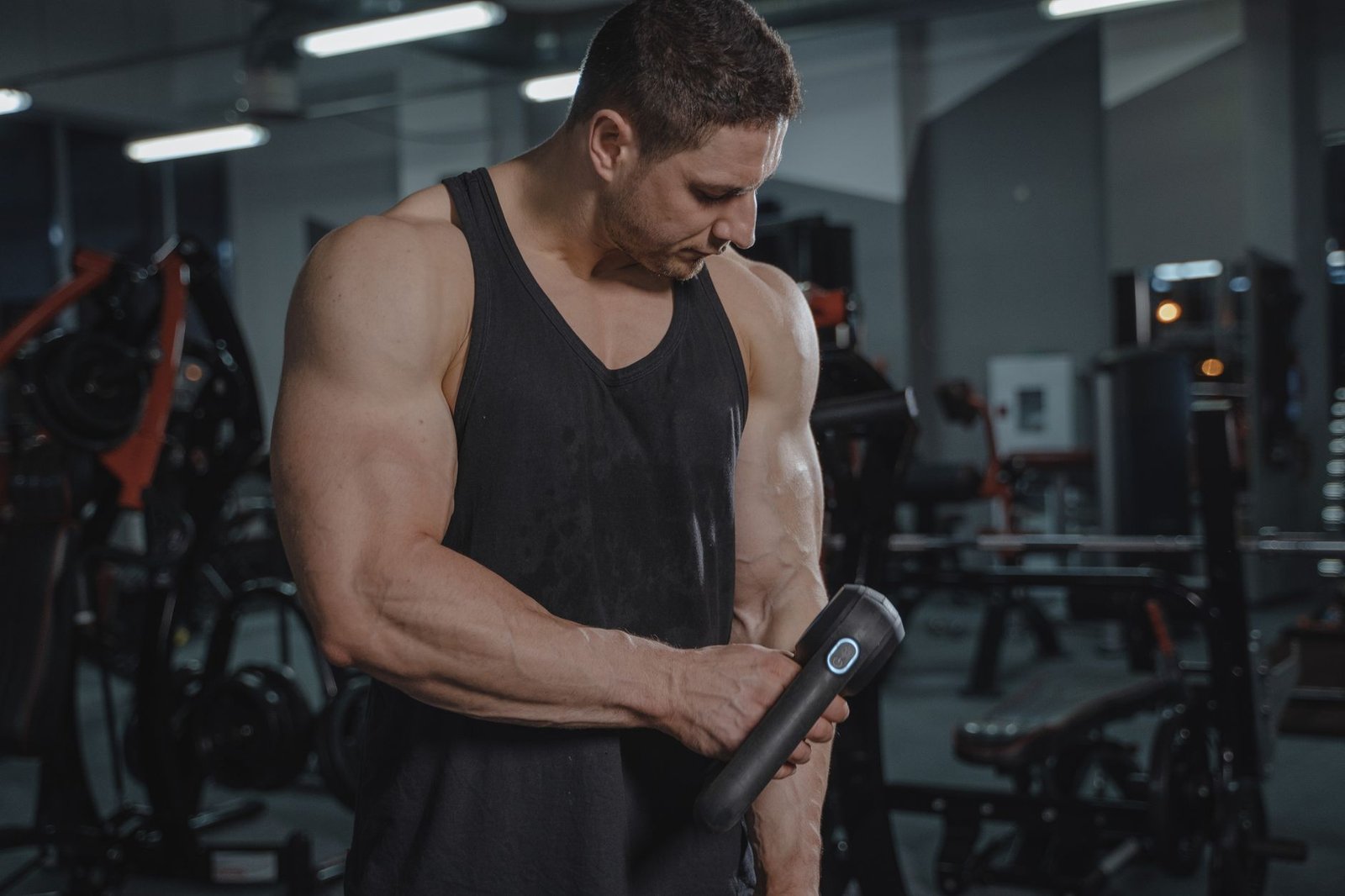
What a massage gun actually does
The device applies rapid repeated percussion to soft tissue. This creates a strong sensory input and can change local perception of stiffness.
Marketing often goes further, claiming dramatic effects on circulation, toxins, or tissue healing. Those claims are much stronger than the current evidence.
What systematic reviews have found
A 2023 systematic review found potential benefits for short-term range of motion, flexibility, and some recovery-related outcomes, but only a small number of studies were available and risk of bias was not trivial.
That supports cautious use, not certainty.
Before training
A short application may help a stiff area feel more comfortable before movement. Keep the dose brief and follow it with active range and the exercise you are about to train.
Do not use prolonged aggressive percussion immediately before explosive work if it leaves the muscle feeling numb or less responsive.
After training
Use the massage gun for comfort rather than as a mandatory recovery step. One or two minutes on a large muscle group may be enough to decide whether you like the effect.
More pressure and more time are not automatically better.
Where not to use it
Avoid direct percussion over bones, joints, the front of the neck, acute injuries, areas with impaired sensation, or unexplained swelling.
People with medical conditions affecting circulation, clotting, or sensation should seek appropriate advice before using aggressive compression or percussion tools.
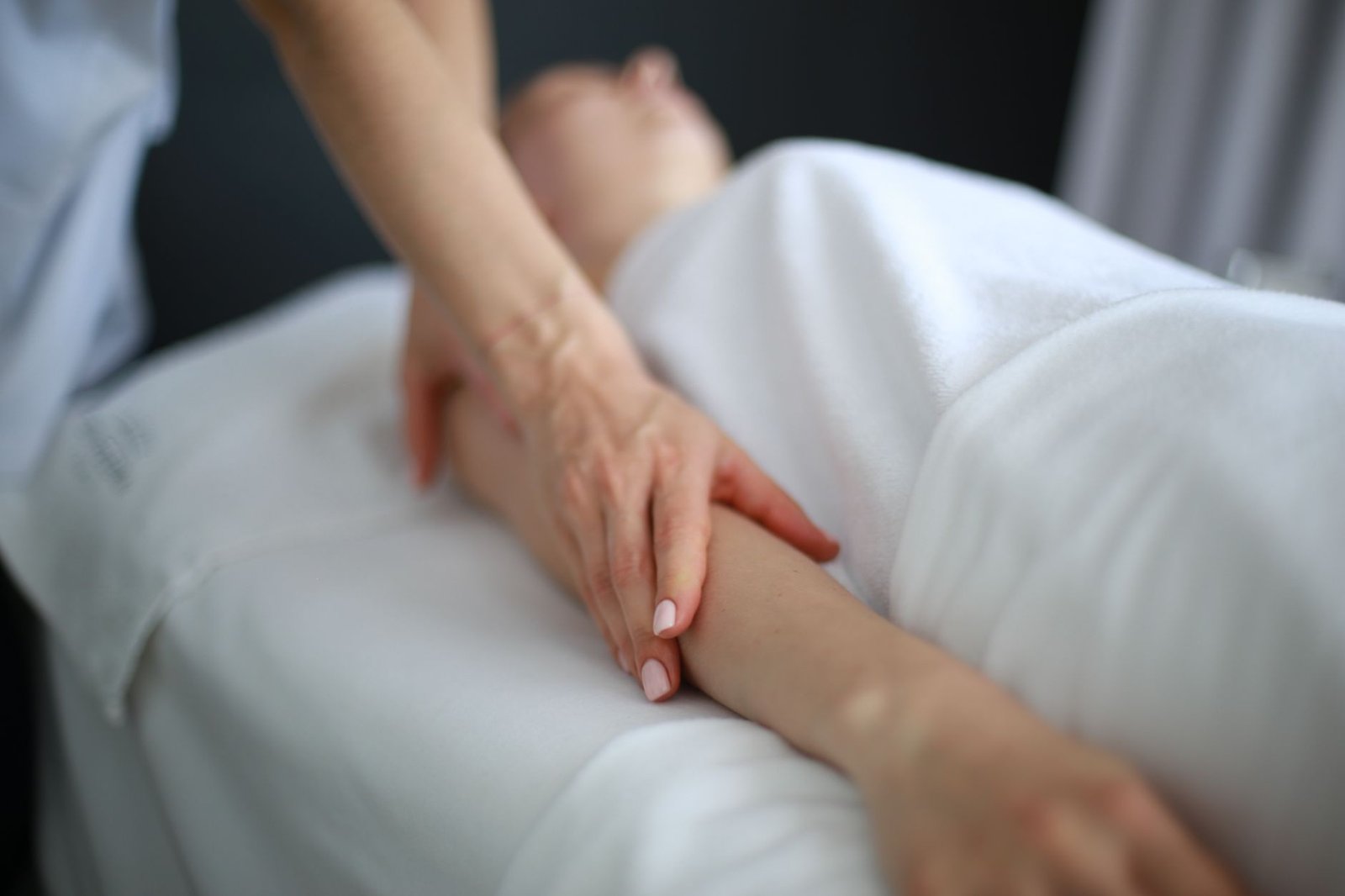
Massage gun versus hands-on massage
A device is convenient and available whenever you want it, but it does not reproduce the assessment or individualized judgment of a qualified clinician or therapist.
If the goal is simply comfort, that convenience may be enough.
Is an expensive device better?
More expensive models may be quieter, more durable, or have better battery life. Those are product features, not evidence that the recovery effect is greater.
Choose based on usability rather than claims about deeper or more powerful healing.
How to test whether it helps you
Pick a movement that feels restricted, use the device briefly on a relevant muscle group, and retest. If range or comfort improves without reducing control, you have a practical reason to use it.
If nothing changes, you do not need to keep extending the session.
The strongest claim is short-term mobility, not healing
Massage guns can change how a muscle feels and may increase range of motion temporarily. That is useful before movement or when stiffness is annoying. It is a much smaller claim than saying the device accelerates repair of muscle tissue.
Keep the language precise so a comfort tool does not become a medical promise.
How much pressure should you use?
Use enough pressure to feel the percussion without bracing against it. If you have to tense the muscle, hold your breath, or avoid the device because it hurts, reduce pressure or choose a softer attachment.
More force does not mean deeper healing. It usually just means more force.
A two-minute pre-workout test
Choose one muscle group that feels restricted. Use the massage gun for 30–60 seconds, perform an active movement, then retest the exercise you care about. If range or comfort improves, you have a practical use case.
If nothing changes, stop rather than extending the treatment indefinitely.
Post-workout use should stay simple
After training, use the device only where it feels helpful. You do not need to work every muscle you trained. A short session is easier to fit around normal meals, hydration, and getting home.
If soreness repeatedly requires long massage-gun sessions just to tolerate the next workout, review the training dose.
Who should be more cautious?
People with altered sensation, vascular disease, clotting problems, acute injuries, or unexplained swelling should not use aggressive percussion without appropriate guidance. Avoid areas where you cannot clearly judge pressure or sensation.
Consumer access does not mean every recovery tool is appropriate in every medical context.
Massage guns and delayed-onset soreness
Some users report that percussion makes sore muscles feel easier to move. That can be useful, but the current evidence does not justify promising that a massage gun prevents DOMS or materially shortens the recovery process.
Use the device to improve comfort, then judge the next session by actual movement and performance.
Attachments matter less than marketing suggests
Different heads change the contact area and sensation. A softer ball attachment may feel better on large muscles, while a smaller head provides more targeted pressure. There is little reason to believe a specific attachment creates a unique biological recovery effect.
Choose the attachment that is comfortable enough to use correctly.
Can you use it every day?
Light daily use is unlikely to be a problem for healthy tissue when pressure is comfortable, but daily use is not required. If you repeatedly need percussion on the same area because it always feels restricted, investigate the training pattern or movement rather than simply increasing treatment frequency.
Why a massage gun should not become a diagnostic tool
Tenderness under the device does not identify an injury, trigger point, or “damaged fascia.” Many healthy muscles are sensitive under pressure. Do not use pain under the massage gun as a reason to treat an area more aggressively.
Massage guns and soreness are not the same question as muscle repair
A decrease in soreness can be useful, but soreness is only one part of recovery. Strength may still be reduced even when the muscle feels better. That is why a massage gun should not be used as a green light for another maximal session.
Use the warm-up and actual performance to judge readiness after you have used the device.
How to avoid turning the device into a ritual
Choose one or two areas that genuinely feel restricted. Use the gun briefly, retest, and stop. Treating every muscle after every workout adds time without evidence that the extra minutes improve adaptation.
A good recovery routine should become simpler when fewer interventions are needed, not more elaborate over time.
What makes a massage gun worth owning
The strongest practical case is convenience. If it helps you access an area that is awkward to foam roll and you consistently like the effect, ownership may make sense. If a basic roller, walking, or normal warm-up produces the same result, the device is optional.
What a useful response looks like
A useful response is specific: the ankle moves more freely, the shoulder reaches overhead more comfortably, or the quadriceps feel less stiff during the next warm-up set. “It feels intense” is not an outcome.
Choose one functional test before you use the device and repeat it afterward. That makes the decision to keep using the gun more objective.
Why soreness relief should not change load automatically
If the massage gun reduces soreness, you may be tempted to restore the full planned training load. Resist that shortcut. Readiness still depends on strength, coordination, sleep, and the overall training week. Use the warm-up and work-set performance to decide whether the load is appropriate.
Where percussion fits compared with a normal warm-up
If a few minutes of walking and light rehearsal already remove the stiffness, there is little reason to add percussion. Use the device when it gives you something the normal warm-up does not, not because it is available.
Three use cases where a massage gun may be practical
Before a squat session: brief percussion on the calves or quadriceps followed by a movement retest. After travel: a short session on stiff legs when floor-based rolling is inconvenient. After training: targeted use on one area that feels tight while you relax, without turning it into a full-body treatment.
In each case, the device solves a convenience or comfort problem. None requires the claim that muscle repair has accelerated.
Three situations where it probably adds little
If the warm-up already restores normal movement, if soreness is mild and does not affect function, or if you rarely use the device because setup feels like a chore, the massage gun is unlikely to be important. Owning a recovery tool does not create a reason to use it.
How to keep claims evidence-aligned
Describe what you can observe: range changes, comfort, perceived stiffness, and readiness. Avoid language about “breaking up scar tissue,” “flushing toxins,” or “speeding healing” unless a specific claim is supported by evidence. This distinction keeps expectations realistic and prevents a useful comfort tool from becoming a medical-sounding promise.
Training note: Treat a massage gun like a comfort and mobility tool. It may make you feel better, but it cannot compensate for poor sleep, insufficient food, or a training plan that repeatedly creates excessive fatigue.