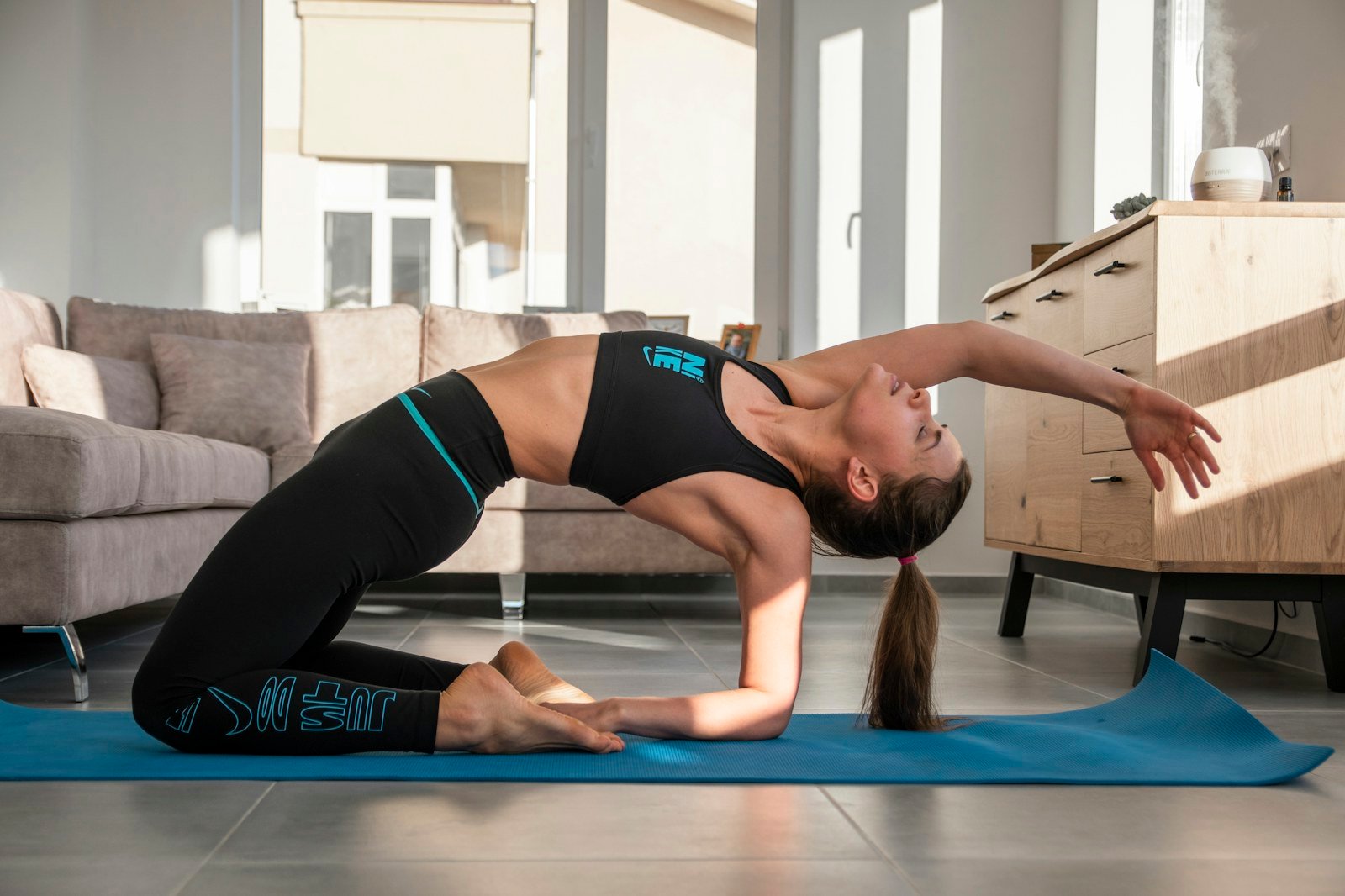
Daily Stretching Habits: Unlock Flexibility, Mobility & Wellness

Your body craves movement, yet many people spend hours sitting at desks, driving, or lying on couches. This lack of movement makes muscles tight and joints stiff.

Daily stretching offers a simple solution that takes just minutes but delivers lasting benefits for your entire body.

A group of adults stretching their arms and legs in a bright fitness studio with yoga mats on the floor.

A consistent daily stretching routine improves flexibility, reduces muscle tension, and helps prevent injuries. Research shows that stretching two to three times per week can create noticeable improvements in how your body moves and feels.

The effects happen quickly but fade within hours, which makes daily practice so important for long-term results.

The beauty of daily stretching lies in its simplicity. You don’t need special equipment, a gym membership, or hours of free time.

Just a few basic stretches performed regularly can help you move better, feel less stiff, and build a foundation for better health as you age.

Key Takeaways

  • Daily stretching improves flexibility and reduces muscle tension with just a few minutes of practice.
  • Consistent stretching helps prevent injuries and supports better circulation throughout your body.
  • Building simple stretching habits requires no equipment and fits easily into any daily routine.

Understanding Daily Stretching Habits

A diverse group of adults doing stretching exercises in a bright living room with large windows and plants.

Daily stretching involves regular muscle lengthening exercises that improve flexibility and reduce tension. The body responds to stretching by increasing blood flow, enhancing range of motion, and activating the nervous system for better recovery.

What Is Daily Stretching?

Daily stretching means doing muscle lengthening exercises every day for at least 5-10 minutes. This practice involves moving muscles and joints through their full range of motion.

A stretching routine can happen at any time during the day. Many people stretch in the morning to wake up their muscles, while others prefer evening stretches to relax after work.

You don’t need special equipment or a gym membership to stretch. People can stretch at home, at work, or anywhere they have a few minutes of free time.

The key elements of daily stretching include consistency over intensity, focusing on major muscle groups, holding stretches for 15-30 seconds, and breathing deeply during each movement.

Most fitness experts recommend stretching at least once per day. The American College of Sports Medicine suggests that adults stretch major muscle groups 2-3 times per week at minimum.

Regular practice helps maintain flexibility as people age. It also prevents muscles from becoming tight and stiff from daily activities.

How Stretching Impacts the Body

Stretching creates several important changes in the body’s systems. When muscles lengthen, blood flow increases to deliver more oxygen and nutrients to tissues.

The nervous system responds by reducing muscle tension and stiffness. This process helps muscles recover faster after exercise or long periods of sitting.

Improved circulation from stretching helps remove waste products from muscles. This reduces soreness and prevents buildup of toxins that cause pain.

Key physical benefits include better posture, increased flexibility, and reduced injury risk during physical activities.

Stretching also affects mental health by releasing physical tension. When tight muscles relax, stress levels often decrease throughout the body.

The spine benefits greatly from regular stretching. Flexible back muscles support better alignment and reduce lower back pain.

Types of Stretching Techniques

Static stretching involves holding a stretch position without movement. People hold the stretch for 15-30 seconds while muscles gradually lengthen.

This type works best after exercise when muscles are warm. Static stretches help cool down the body and improve long-term flexibility.

Dynamic stretching uses controlled movements to warm up muscles before activity. These stretches involve moving joints through their full range of motion repeatedly.

Dynamic movements prepare muscles for exercise by increasing blood flow and temperature. Examples include leg swings, arm circles, and walking lunges.

Other stretching techniques include ballistic stretching (bouncing movements, not recommended for beginners), PNF stretching (contract-relax method), and active stretching (using opposing muscles to create the stretch).

Each technique serves different purposes in a complete fitness program. Beginners should start with basic static and dynamic stretches before trying advanced methods.

Key Benefits of Daily Stretching

Daily stretching transforms how the body moves and feels by increasing flexibility, supporting better movement patterns, and improving overall alignment.

Flexibility and Range of Motion

Regular stretching keeps muscles long and flexible, which directly improves how far joints can move. When muscles stay tight from lack of stretching, they become shortened and limit joint movement.

This creates problems during daily activities. Simple tasks like reaching overhead or bending down become harder when flexibility decreases.

Key flexibility improvements include increased muscle length, better joint movement, reduced muscle stiffness, and enhanced performance in physical activities.

Daily stretching takes time to show results. Most people need several weeks of consistent stretching to notice significant flexibility gains.

Holding stretches for 30 seconds allows the muscle fibers to lengthen properly. Shorter holds don’t provide enough time for the muscle to adapt and improve range of motion.

Supporting Mobility and Balance

Daily stretching directly supports mobility by keeping key muscle groups working properly together. Tight hip flexors from sitting too much can affect walking patterns and make simple movements feel stiff.

Good mobility requires muscles to work through their full range during movement. When some muscles become tight, others must work harder to compensate.

This compensation pattern often leads to imbalances that affect stability. Regular stretching helps maintain proper muscle relationships and supports better balance.

Mobility benefits include smoother walking, better coordination between muscle groups, reduced risk of falls, and improved ability to perform daily tasks.

The lower body muscles need the most attention for mobility. Hip flexors, hamstrings, calves, and quadriceps control most walking and standing movements.

Posture and Improved Alignment

Modern life creates specific muscle imbalances that affect how people stand and move. Hours of sitting tighten hip flexors and chest muscles while weakening the back and glutes.

Daily stretching can address these imbalances by lengthening tight muscles and allowing proper alignment to return. Better posture reduces strain on the spine and surrounding muscles.

Common posture improvements from stretching include reduced forward head position, less rounded shoulders, better spinal alignment, and decreased lower back tension.

The neck, shoulders, and lower back benefit most from daily attention. These areas carry stress from poor posture and respond well to consistent stretching.

Improved alignment also enhances breathing patterns. When the chest opens and shoulders relax, the lungs can expand more fully during each breath.

Preventing and Relieving Discomfort

Daily stretching tackles muscle stiffness and reduces injury risk while providing relief from common aches that develop from sitting, exercise, or everyday activities.

Easing Muscle Stiffness and Tightness

Muscle stiffness develops when tissues become shortened and lose flexibility. This happens from sitting for long periods, sleeping in one position, or repeating the same movements daily.

Regular stretching lengthens muscle fibers and improves blood flow. This increased circulation delivers oxygen and nutrients to tight areas while removing waste products that cause soreness.

Key areas that benefit from daily stretching include hamstrings from prolonged sitting, hip flexors from desk work, neck and shoulders from computer use, and lower back from poor posture.

Static stretches work best for muscle stiffness. Hold each position for 15-30 seconds to allow tissues to relax and lengthen.

Morning stretches help reduce overnight stiffness. Evening stretches release tension built up during the day.

Even five minutes can make a noticeable difference in how muscles feel. The towel stretch targets tight hamstrings and calves, while simple neck rolls ease shoulder tension.

Preventing Injuries

Flexible muscles and joints handle sudden movements better than tight ones. Stretching prepares the body for daily activities and reduces strain on vulnerable areas.

Dynamic stretching before activity warms up muscles and increases range of motion. This preparation helps prevent pulls and strains during movement.

Common injury prevention benefits include reduced muscle tears, improved joint stability, healthy range of motion, and balanced muscle groups around joints.

Tight hamstrings and glutes create imbalances that can lead to back pain and hip problems. Regular stretching keeps these large muscle groups flexible and functional.

Focus on areas that feel tight or restricted. Pay attention to both sides of the body to maintain balance and prevent compensation patterns.

Consistent stretching builds resilience over time. Muscles become more adaptable and less prone to injury from everyday activities like lifting, reaching, or bending.

Alleviating Everyday Pain

Common pain points respond well to targeted stretching routines. Lower back pain often stems from tight hip flexors and weak glutes that stretching can address.

The knee-to-chest stretch relieves lower back tension by gently elongating compressed muscles. Cat-cow movements mobilize the spine and reduce stiffness.

Heel pain from plantar fasciitis improves with calf stretches and foot flexion exercises. These movements reduce tension in the plantar fascia and surrounding tissues.

Effective pain relief stretches include child’s pose for back tension, seated spinal twist for lower back, standing calf stretch for heel pain, and gentle neck stretches for headaches.

Stretching also provides stress relief by activating the parasympathetic nervous system. This relaxation response helps reduce overall pain perception and muscle tension.

Consistency matters more than intensity for pain relief. Gentle, regular stretching prevents pain from returning and maintains improvements over time.

Optimizing Circulation and Recovery

Daily stretching enhances blood flow throughout the body while accelerating muscle recovery after physical activity. This improved circulation delivers essential nutrients to tissues and helps remove waste products that cause soreness.

Improving Blood Flow

Stretching acts as a natural pump for the cardiovascular system. When muscles lengthen during a stretch, blood vessels expand and allow more oxygen-rich blood to flow through.

This increased circulation reaches areas that may not get adequate blood flow during normal daily activities. The gentle pressure and release during stretching helps push blood through smaller vessels.

Key circulation benefits include enhanced oxygen delivery, better nutrient transport, improved lymphatic drainage, and reduced muscle tension.

Static stretches held for 15-30 seconds provide the most circulation benefits. The body responds by sending more blood to the stretched area to support the muscle fibers.

Regular stretching becomes a healthy habit that supports long-term cardiovascular health. Even light stretching sessions can boost circulation throughout the day.

Aiding in Muscle Recovery

Stretching speeds up the recovery process by helping muscles return to their normal length after exercise. Tight muscles restrict blood flow and slow down healing.

Post-workout stretching prevents muscles from staying contracted. This allows fresh blood to enter the tissue and begin the repair process more quickly.

Recovery acceleration methods include holding stretches for 30-60 seconds after workouts, focusing on muscles that feel tight or sore, and combining stretching with tools like a foam roller.

Stretch within 30 minutes of finishing exercise for best results. The increased blood flow from stretching delivers protein and other building blocks muscles need to repair microscopic damage.

Dynamic stretching before exercise also prepares muscles for activity. It gradually increases blood flow and warms up the tissue to prevent injury.

Reducing Soreness and Fatigue

Stretching helps remove metabolic waste products that build up during exercise and cause muscle soreness. Lactic acid and other compounds get flushed out through improved circulation.

Gentle stretching movements encourage the lymphatic system to drain excess fluids from muscle tissue. This reduces swelling and the heavy feeling that comes with muscle fatigue.

Soreness reduction techniques include stretching sore muscles gently, using slow controlled movements, and breathing deeply during each stretch.

Research shows that people who stretch regularly experience less delayed-onset muscle soreness. Their muscles recover faster and feel less stiff the day after exercise.

The mechanical action of stretching also helps break up adhesions between muscle fibers. These sticky spots can cause ongoing discomfort if not addressed through regular movement.

Developing Effective Daily Stretching Routines

A successful stretching routine requires proper structure, timing, and tools to maximize benefits. Most people need 2-3 sessions per week targeting all major muscle groups, with simple equipment enhancing results. Helpful: Mobility Training for Recovery: Expert Tips & Key Takeaways Related: Dynamic Warm Up Routine at Home: Easy Steps for All Levels

Structuring Your Stretching Routine

The best stretching routines follow a logical sequence that prepares the body and targets all major areas. Starting with gentle movements helps warm up muscles before deeper stretches.

Target these key muscle groups in order: neck and shoulders, arms and chest, back and core, hips and glutes, legs and ankles.

Dynamic stretches work well at the beginning of routines. These involve controlled movements that gradually increase range of motion.

Static stretches should come later when muscles are warmer. Hold each position steadily without bouncing or forcing the movement.

A complete routine takes 10-15 minutes. Beginners can start with 5-8 basic stretching exercises and add more over time.

Duration and Frequency Recommendations

Research shows specific timing guidelines produce the best results. The American College of Sports Medicine recommends stretching major muscle groups 2-3 times per week.

Each stretch should total 60 seconds for optimal benefits. This can mean holding one stretch for 60 seconds or doing shorter holds multiple times.

Common timing options:

  • Hold for 15 seconds, repeat 4 times
  • Hold for 20 seconds, repeat 3 times
  • Hold for 30 seconds, repeat 2 times

Daily stretching provides even better results than the minimum recommendation. Short 5-minute sessions work better than longer sessions done less often.

Morning stretching helps reduce stiffness from sleep. Evening routines can help the body relax and prepare for rest.

Incorporating Tools and Props

Simple tools can make stretching routines more effective and comfortable. A foam roller helps release muscle tension before stretching exercises begin.

Useful stretching tools:

  • Yoga blocks – Support proper alignment in difficult poses
  • Resistance bands – Assist with deeper stretches safely
  • Foam roller – Prepares muscles and improves flexibility

Yoga incorporates many stretching principles with additional focus on breathing and balance. Many yoga poses work perfectly as daily stretches.

A simple mat provides cushioning and grip for floor-based stretches. This prevents slipping and makes the routine more comfortable.

Most effective routines use minimal equipment. Focus on consistency rather than collecting many tools or props.

Essential Stretches for Everyday Life

These three movement patterns target the most common areas of tightness from daily activities like sitting, computer work, and daily stress on the body. Cat-cow stretch improves spinal flexibility, hamstring and glute stretches counter prolonged sitting, and chest openers reverse forward head posture.

Cat-Cow Stretch and Spinal Mobility

The cat-cow stretch serves as one of the most effective movements for spinal health. This gentle flow targets the entire spine from neck to tailbone.

Starting Position:

  • Hands under shoulders, knees under hips
  • Neutral spine with flat back

Core gently engaged. The cow position involves arching the back while lifting the chest and tailbone toward the ceiling.

The cat position rounds the spine while tucking the chin and tailbone under.

Key Benefits:

  • Reduces back stiffness from sitting
  • Improves spinal flexibility
  • Relieves tension between shoulder blades
  • Strengthens core muscles

Practitioners should perform 8-10 slow repetitions. Each movement flows with breathing—inhaling during cow, exhaling during cat.

This coordination enhances the stretch’s effectiveness. The stretch works best when movements stay controlled and smooth.

Quick or jerky motions reduce benefits and may cause strain.

Hamstring and Glute Focused Stretches

Hamstrings become tight from prolonged sitting and limited daily movement. These large muscles along the back of the thigh directly affect lower back health and walking patterns.

Seated Hamstring Stretch:

  • Sit with legs extended straight
  • Keep back straight while reaching toward toes

Hold for 30-45 seconds each leg. Bend knee slightly if needed.

Standing Glute Stretch:

  • Cross one ankle over opposite knee
  • Sit back into stretch position

Hold chair or wall for balance. Feel stretch in hip and glute area.

Benefits include:

  • Reduced lower back tension
  • Better walking and stair climbing
  • Improved circulation to legs
  • Less hip stiffness

The glutes support the pelvis and spine during daily activities. Tight glutes contribute to back pain and poor posture patterns.

These stretches work best when held steadily without bouncing. Gentle, consistent pressure creates better results than forcing the stretch.

Chest and Shoulder Openers

Forward head posture from computer work and phone use creates tight chest muscles and rounded shoulders. Chest stretch exercises directly counter these patterns.

Doorway Chest Stretch:

  • Place forearm on door frame
  • Step forward gently

Feel stretch across chest and front shoulder. Hold 20-30 seconds each arm.

Behind-Back Stretch:

  • Clasp hands behind back
  • Lift arms up while pushing chest forward

Keep shoulders down and back. Hold for 15-30 seconds.

Immediate benefits:

  • Opens tight chest muscles
  • Improves shoulder blade position
  • Reduces neck strain
  • Better breathing patterns

These movements reverse the internal rotation that occurs from desk work. Regular practice helps maintain proper shoulder alignment throughout the day.

The stretches feel most effective when the chest opens gradually. Sudden movements may cause shoulder strain rather than beneficial stretching.

Frequently Asked Questions

Daily stretching raises many questions a Recommended: Stretching for Beginners: Essential Routines and Flexibility Tipsbout proper form, timing, and expected results. These answers cover the most important aspects of building a sustainable stretching practice.

What are the benefits of incorporating a daily stretch routine for flexibility?

Daily stretching provides several key health benefits that improve quality of life. The muscles stay flexible and strong, which maintains proper joint movement.

Regular stretching increases range of motion in all major joints. It also boosts blood flow throughout the body and reduces muscle stiffness.

Other benefits include better posture and lower injury risk during daily activities. Many people also find that stretching helps reduce stress levels.

Physical performance improves when muscles can move through their full range. Pain from tight muscles often decreases with consistent stretching habits.

How can beginners develop effective daily stretching habits at home?

Beginners should start with just 10-15 minutes of stretching per day. Focus on major muscle groups like the neck, shoulders, back, hips, and legs.

The best approach is to pair stretching with an existing habit. Try stretching after brushing teeth or before going to bed each night.

Start with basic stretches that feel comfortable and safe. Hold each stretch for 15-20 seconds without bouncing or forcing the movement.

Set up a dedicated space at home with enough room to move freely. Keep a yoga mat or towel nearby to make starting easier.

Track progress in a simple journal or phone app. This helps build the habit and shows improvement over time.

What should be the focus of a full body stretching routine for males?

Men often have tighter muscles in specific areas that need extra attention. The hip flexors, hamstrings, and chest muscles are common problem spots.

Focus on stretches that open the hips and improve lower body flexibility. Many men sit for long hours, which tightens these important muscle groups.

Upper body stretches should target the chest, shoulders, and upper back. These areas get tight from desk work and exercise routines.

Include calf stretches and ankle movements to improve lower leg flexibility. Don’t forget neck stretches to reduce tension from looking at screens.

Spend about 60 seconds total on each muscle group during the routine. This can be done as one long hold or several shorter holds.

Can you suggest a basic morning stretching routine suitable for beginners?

A simple morning routine takes just 10 minutes and wakes up stiff muscles. Start with gentle neck rolls and shoulder shrugs while still in bed.

Stand up and do arm circles forward and backward for 30 seconds each. Then reach both arms overhead and gently lean to each side.

Touch your toes or reach toward the floor to stretch your back and hamstrings. Hold for 15-20 seconds without forcing the stretch.

Do a standing quad stretch by pulling one foot toward your buttocks. Switch legs and repeat for balance.

Finish with gentle spinal twists by placing hands on hips and rotating left and right. This routine prepares the body for daily activities.

What changes might one expect after committing to daily stretching for 30 days?

Most people notice improved flexibility within the first two weeks of daily stretching. Tight muscles start to loosen and movement becomes easier.

Joint stiffness decreases, especially in the morning when getting out of bed. Many people report less back pain and better posture.

Sleep quality often improves as evening stretching helps the body relax. Stress levels may also decrease with regular stretching practice.

Physical activities become more comfortable as muscles can move through fuller ranges. Some people notice better balance and coordination.

Energy levels may increase as circulation improves and muscle tension decreases. The body feels more open and less restricted during daily tasks.

What are some recommended stretching exercises for women to include in their daily routine?

Women should focus on stretches that address common tight areas and support overall health. Hip flexor stretches help counter the effects of sitting and wearing heels.

Cat-cow stretches on hands and knees improve spine flexibility. Hold each position for 5 seconds and repeat 10 times.

Chest doorway stretches help open the upper body and improve posture. Place one arm against a doorframe and gently lean forward.

Seated spinal twists while sitting in a chair target the middle back and core. These can be done at work or home throughout the day.

Calf stretches against a wall help maintain lower leg flexibility. This is especially important for women who wear high heels regularly.

Related Articles

Enhance daily flexibility with Improve Flexibility and Mobility.

Reduce stiffness using Mobility Training at Home.

Support post-training recovery with Post Workout Recovery Routine.

Release tension faster through Foam Rolling Technique.