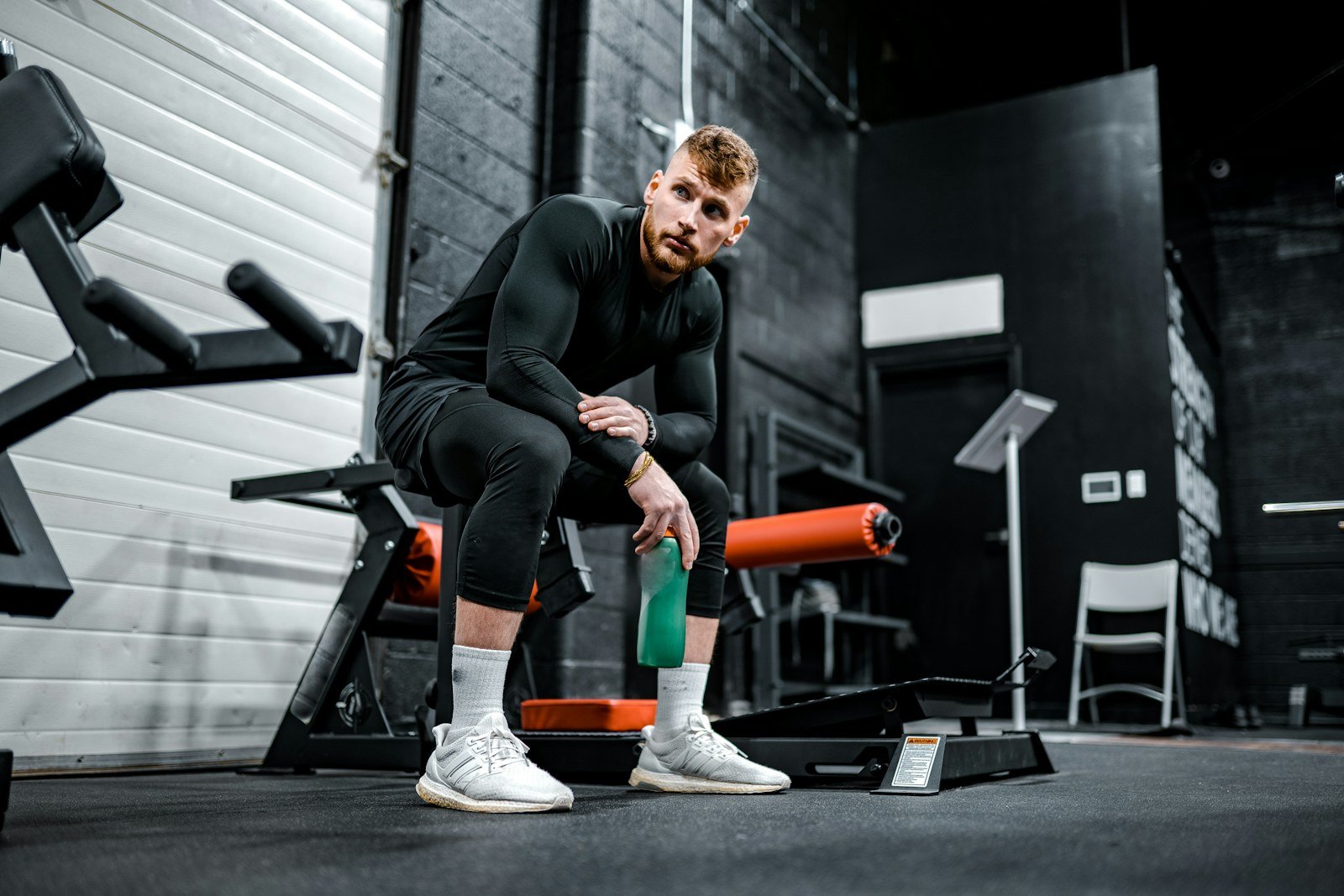
Sore muscles after a workout can feel like a badge of honor, but they can also slow you down for days. The good news is that muscle soreness doesn’t have to derail your fitness routine or leave you struggling to move.

The fastest relief for sore muscles comes from combining immediate strategies like ice or heat therapy, gentle movement, proper hydration, and targeted nutrition within 30 minutes after exercise. These methods work by improving blood flow, reducing inflammation, and supporting the natural muscle repair process.
Most people experience delayed-onset muscle soreness (DOMS) 12 to 24 hours after exercise, with symptoms peaking between 24 and 72 hours. While this soreness typically lasts three to five days, the right recovery approach can help reduce both the intensity and duration of muscle pain.
Key Takeaways
- Immediate relief comes from ice or heat therapy, gentle movement, and staying hydrated before, during, and after workouts.
- Eating protein and carbohydrates within 30 minutes after exercise helps muscles recover faster and reduces next-day soreness.
- Getting quality sleep and doing light activity the next day supports natural muscle repair while preventing stiffness.
Understanding Sore Muscles and Muscle Pain

Muscle soreness happens when tiny tears form in muscle fibers during exercise, triggering your body’s natural healing response. There are two main types of muscle pain that affect recovery time and treatment methods.
What Causes Muscle Soreness
Sore muscles develop when you push your body beyond its current limits. Exercise creates small tears in the muscle fibers and surrounding connective tissue.
Physical stress from lifting weights, running, or new activities damages muscle cells at a microscopic level. This damage isn’t harmful—it’s how muscles get stronger.
Chemical changes also play a role in muscle pain. During intense exercise, muscles produce lactic acid as a byproduct when they can’t get enough oxygen.
The body responds to these tears with inflammation. Blood flow increases to the damaged area, bringing nutrients and immune cells to start repairs.
Common triggers include:
- Starting a new workout routine
- Increasing exercise intensity too quickly
- Working muscles in unfamiliar ways
- Returning to exercise after time off
Types of Muscle Soreness: AMS and DOMS
Acute Muscle Soreness (AMS) hits immediately during or right after exercise. It peaks within 24 hours and comes from lactic acid buildup and muscle fatigue.
AMS feels like a burning sensation in working muscles and usually goes away within an hour of stopping the activity.
Delayed Onset Muscle Soreness (DOMS) appears 24 to 72 hours after exercise. This type lasts longer and feels different from AMS.
DOMS creates stiffness, tenderness, and reduced range of motion. The pain often peaks around 48 hours after the workout.
Key differences:
- AMS: Immediate pain, lactic acid related, short duration
- DOMS: Delayed pain, tissue damage related, 2-5 day duration
- Recovery: AMS needs rest, DOMS benefits from light movement
How Muscle Fibers Heal
The healing process starts immediately after muscle damage occurs. White blood cells rush to the injured area to remove damaged tissue and fight inflammation.
Protein synthesis increases within hours of exercise. The body builds new proteins to repair and strengthen the damaged muscle fibers.
Satellite cells activate around injured muscle fibers. These special cells donate their nuclei to help repair and grow muscle tissue.
Blood flow brings oxygen and nutrients to speed healing. This is why massage and light movement help recovery—they boost circulation.
The repaired muscle becomes stronger than before the injury. This adaptation helps prevent future damage from similar activities.
Healing timeline:
- 0-24 hours: Inflammation peaks, cleanup begins
- 1-3 days: Protein synthesis increases, rebuilding starts
- 3-7 days: New tissue forms, strength returns
Immediate Relief Strategies
Temperature-based treatments provide quick relief for muscle soreness by targeting inflammation and blood circulation. Ice reduces swelling in the first 48 hours, while heat relaxes tight muscles and improves nutrient delivery.
Cold Therapy for Inflammation
Ice works best during the first 24-48 hours after muscle soreness begins. Cold therapy constricts blood vessels and reduces inflammation that causes pain and swelling.
Apply ice packs for 15-20 minutes at a time. Never place ice directly on skin—wrap it in a thin towel first to prevent tissue damage.
Effective cold therapy options include:
- Ice packs wrapped in cloth
- Cold water baths (50-60°F)
- Frozen gel packs designed for injuries
Take breaks between applications to let skin return to normal temperature. Repeat every 2-3 hours during the first day of soreness.
People with circulation problems should avoid cold therapy. Stop immediately if skin becomes numb or changes color.
Heat Therapy to Improve Blood Flow
Heat therapy works better after the initial inflammation period passes. Warm temperatures increase blood flow and deliver oxygen to healing muscles.
Heating pads set on medium heat provide consistent warmth. Apply for 15-20 minutes to avoid burns. Remove if skin becomes too hot or red.
Heat therapy methods that work:
- Electric heating pads with temperature controls
- Warm baths (98-104°F)
- Heat wraps that stick to clothing
Heat relaxes muscle fibers and reduces stiffness. This makes movement easier and less painful.
Never sleep with a heating pad turned on. Always use the lowest effective temperature setting.
Active Recovery and Gentle Movement
Active recovery uses light movement to boost blood flow and speed up muscle repair. Proper cooling down, gentle stretching techniques, and low-intensity workouts help clear waste products from muscles while reducing stiffness and soreness.
Cooling Down Properly
A proper cool-down helps muscles transition from intense exercise to rest. This phase lowers heart rate gradually and prevents blood from pooling in the muscles.
Walking for 5-10 minutes after a workout keeps blood flowing and helps remove lactic acid and other waste products.
Light cardio options include:
- Slow walking
- Easy cycling
- Gentle swimming
The cool-down should last 10-15 minutes at 40-50% of workout intensity. This gentle pace allows muscles to relax without stopping circulation completely.
Deep breathing during cooling down delivers more oxygen to tired muscles. Inhaling slowly through the nose and exhaling through the mouth helps the body shift into recovery mode.
Gentle Stretching Techniques
Gentle stretching after exercise helps muscles return to their normal length. Static stretches held for 15-30 seconds work best when muscles are still warm.
Key stretching areas include:
- Hamstrings and calves
- Hip flexors and glutes
- Shoulder stretches and chest
Hold each stretch without bouncing or forcing the movement. Muscles should feel a mild pull, not sharp pain.
Yoga poses like child’s pose and downward dog combine stretching with relaxation. These positions help release tension in multiple muscle groups at once.
Pilates movements focus on controlled stretches that improve flexibility. The cat-cow stretch and spinal twists work especially well for back soreness.
Stretch major muscle groups that were used during the workout. Runners should focus on legs, while swimmers need more shoulder stretches and upper body work.
Active Recovery Workouts
Active recovery workouts use 50-60% of normal exercise intensity. These sessions last 15-30 minutes and keep muscles moving without adding stress.
Swimming provides full-body movement with minimal joint impact. The water supports body weight while gentle strokes improve circulation throughout all muscle groups.
Effective active recovery activities:
- Brisk walking
- Light cycling
- Easy rowing
- Tai chi movements
Yoga flows work well for active recovery days. Sun salutations and gentle vinyasa sequences stretch muscles while maintaining light activity levels.
Dynamic stretches during active recovery prepare muscles for future workouts. Leg swings, arm circles, and torso twists keep joints mobile while promoting blood flow.
The goal is movement without fatigue. If the activity causes additional soreness or tiredness, the intensity is too high for proper recovery.
Hands-On Muscle Relief Methods
Physical techniques like massage, foam rolling, and compression provide direct relief to aching muscles by improving blood flow and reducing tension. These methods work quickly to ease pain and speed up recovery.
Benefits of Massage
Massage stimulates blood flow to sore muscles and helps reduce swelling. The pressure applied during massage breaks up knots and releases tight areas that cause pain.
Research shows massage techniques help muscles recover faster after workouts. The increased circulation brings fresh oxygen and nutrients to damaged muscle fibers.
Key massage benefits include:
- Reduced muscle stiffness
- Better flexibility
- Less pain within hours of treatment
People can use their hands to massage sore spots or ask someone else to help. Focus on areas that feel tight or tender. Apply steady pressure and work in small circles over the muscle.
Professional massage works best, but self-massage still provides relief. Even five minutes of massage can make aching muscles feel better.
Foam Rolling for Tense Areas
A foam roller applies body weight pressure to muscle groups and releases tight fascia. This soft tissue surrounds muscles and can become stiff after exercise.
Studies show foam rolling reduces pain after workouts and improves joint movement. The pressure helps stretch connective tissue and breaks up adhesions that cause stiffness.
Effective foam rolling tips:
- Roll slowly over sore muscles
- Apply steady pressure for 30-60 seconds
- Focus on one muscle group at a time
Rolling works best on large muscle groups like legs, back, and shoulders. Avoid rolling directly on bones or joints.
If an area feels very painful, use lighter pressure and shorter sessions. The effects last several hours and help muscles recover faster between workouts.
Using Compression for Recovery
Compression gear fits tightly around muscles and applies steady pressure during and after exercise. This pressure helps reduce swelling and supports blood flow back to the heart.
Research suggests compression clothing reduces muscle soreness when worn during workouts. The tight fit supports muscle groups and may prevent some damage from occurring.
Wearing compression gear after exercise also helps with recovery. The pressure needs to feel snug but not painful.
Types of compression gear:
- Sleeves for arms and legs
- Shirts for upper body support
- Socks for lower leg circulation
Too much compression can restrict blood flow and make soreness worse. Most people wear compression gear for 2-4 hours after exercise for best results.
Compression works well combined with other recovery methods like ice or gentle movement.
Optimizing Nutrition and Hydration for Recovery
Proper nutrition and hydration play crucial roles in muscle repair and reducing soreness. Strategic protein intake supports tissue rebuilding, while adequate fluids help transport nutrients and remove waste products from damaged muscles.
The Role of Protein in Muscle Repair
Protein provides essential amino acids that muscles need to rebuild after exercise. The body cannot produce all necessary amino acids on its own.
Research shows people who exercise should consume 1.4-2.0 grams of protein per kilogram of body weight daily. This amount supports optimal muscle recovery.
Top protein sources for recovery:
- Eggs (especially whole eggs with yolks)
- Fatty fish like salmon and sardines
- Milk and dairy products
- Cottage cheese and Greek yogurt
Whole eggs may work better than egg whites alone. The yolk contains vitamins and minerals that support muscle repair. Recommended: Home Workout Recovery: Proven Strategies for Faster Results
Milk products offer both protein and carbohydrates. This combination helps muscles refill their glycogen stores while providing repair materials.
Hydration and Sports Drinks
Water helps transport nutrients to muscles and removes waste products that cause soreness. Proper hydration stimulates blood flow to damaged tissue. Recommended: The Science of Muscle Recovery: What Actually Works
During intense exercise, the body loses water and electrolytes through sweat. These need replacement for proper recovery.
Hydration guidelines:
- Drink water before, during, and after exercise
- Monitor urine color (pale yellow indicates good hydration)
- Replace electrolytes after long or intense workouts
Sports drinks can be helpful after prolonged exercise lasting more than an hour. They contain sodium and other electrolytes lost in sweat.
Milk works as an effective recovery drink. It provides protein, carbohydrates, and sodium for rehydration.
Plain water works well for most workouts under an hour. The body can replace electrolytes through regular meals.
Anti-Inflammatory Foods and Supplements
Anti-inflammatory foods help reduce muscle swelling and pain after exercise. They contain compounds that fight inflammation and oxidative stress.
Pomegranate juice shows promise for muscle recovery. Studies used about 250 ml daily for at least one week.
Tart cherry juice contains natural compounds that fight inflammation. Some athletes drink it before and after intense training sessions.
Foods rich in omega-3 fatty acids:
- Salmon and other fatty fish
- Walnuts
- Flaxseeds
These healthy fats may help reduce delayed-onset muscle soreness. Eating fatty fish 2-3 times per week supports general health and recovery.
Antioxidant-rich foods neutralize free radicals produced during exercise. Berries, spinach, and colorful vegetables provide these protective compounds naturally.
Rest and Sleep: Letting Your Body Heal
Your body performs most of its muscle repair work during sleep and rest periods. Quality sleep triggers tissue healing processes, while proper rest prevents further muscle damage.
Importance of Quality Sleep
Sleep acts as your body’s main recovery tool. During deep sleep, your body releases growth hormone and begins repairing damaged muscle tissue.
People who get 7-9 hours of quality sleep recover faster from workouts than those who sleep less. Poor sleep increases inflammation levels in the body.
Your muscles need this downtime to rebuild stronger. Sleep deprivation can slow recovery by up to 40%.
Key sleep benefits for sore muscles:
• Increased blood flow to muscles
• Reduced inflammation markers
• Enhanced protein synthesis
• Lower stress hormone levels
Create a sleep-friendly environment by keeping your room cool and dark. Avoid screens for one hour before bed.
Your bedroom temperature should stay between 65-68°F for optimal muscle recovery. This small change can make a big difference in how your body heals.
Professional athletes often take naps during the day. Even a 20-minute nap can boost recovery if you didn’t get enough nighttime sleep.
When and How to Rest Sore Muscles
Rest doesn’t mean complete inactivity. Active rest helps blood flow while giving muscles time to heal.
Complete rest works best for severe muscle strains. If you can barely move a muscle without sharp pain, avoid using it for 24-48 hours.
Apply heat or gentle massage during this time. For mild soreness, light movement helps more than total rest.
Take gentle walks or do easy stretches. This keeps blood flowing to sore areas without causing more damage.
Smart rest strategies:
• Alternate rest days between intense workouts
• Use different muscle groups on consecutive days
• Take 1-2 complete rest days per week
Listen to your body’s signals. Muscle soreness that gets worse after 72 hours needs more rest time.
Sharp or shooting pains always require immediate rest and possibly medical attention.
Managing Muscle Soreness Safely
Taking the right approach to pain relief can speed recovery while avoiding potential risks. Understanding medication options and knowing when professional help is needed protects against complications.
Over-the-Counter Pain Relief
Acetaminophen offers effective pain relief without interfering with muscle repair processes. It reduces discomfort without blocking inflammation, which the body needs for proper healing.
NSAIDs like ibuprofen and naproxen can actually slow muscle recovery. These medications reduce inflammation that helps rebuild stronger muscle tissue.
Research shows they may hinder the natural healing process after workouts. People should avoid taking NSAIDs before workouts.
Studies show this approach doesn’t prevent soreness effectively. The medications also carry stomach and kidney risks with regular use.
Key medication guidelines:
• Take acetaminophen for pain without blocking recovery
• Use NSAIDs sparingly and only for severe discomfort
• Follow package directions for dosing and timing
Topical pain relievers provide targeted relief without systemic effects. Essential oil blends with anti-inflammatory properties offer natural alternatives when diluted properly with carrier oils.
When to Seek Medical Advice
Severe symptoms require immediate medical attention. Sharp, shooting pain or complete inability to move a muscle may indicate a pulled muscle or serious injury beyond normal soreness.
Normal muscle soreness peaks within 72 hours and improves within a week. Pain lasting longer than two weeks needs professional evaluation.
Warning signs that need medical care:
• Pain that worsens instead of improving a See our guide: The Ultimate Guide to Foam Folling for Faster Recoveryfter 3 days
• Swelling that doesn’t respond to ice and elevation
• Muscle weakness that persists beyond initial soreness
Injury red flags include hearing a “pop” during exercise, visible muscle deformity, or numbness in the affected area. These symptoms suggest tissue damage requiring proper diagnosis and treatment.
People with chronic conditions like arthritis or diabetes should consult healthcare providers before trying new pain relief methods. Some treatments may interact with existing medications or conditions.
Frequently Asked Questions
These common questions address the most effective overnight relief methods, supplement recommendations, practices to avoid, and strategies for managing intense post-workout pain while determining when it’s safe to continue exercising.
What are the best methods to reduce muscle soreness overnight?
Ice therapy provides the fastest relief for acute muscle soreness. Apply ice packs for 10-20 minutes every few hours during the first 24-48 hours after exercise.
Heat therapy works better for stiff, tense muscles. A warm bath or heating pad increases blood flow and relaxes tight tissue.
Quality sleep remains the most important factor. Muscles need 24-48 hours to repair tiny tears that cause soreness.
Light stretching before bed helps maintain flexibility. Hold gentle stretches for 15-30 seconds on sore muscle groups.
Which supplements are recommended for quicker muscle recovery?
Protein supplements support muscle repair when taken within 30 minutes after exercise. Aim for 20-25 grams of high-quality protein.
Magnesium helps reduce muscle cramps and tension. Many people don’t get enough through food alone.
Omega-3 fatty acids fight inflammation naturally. Fish oil supplements provide concentrated doses for recovery.
Creatine monohydrate may reduce exercise-induced muscle damage. Take 3-5 grams daily for best results.
What practices should be avoided when experiencing muscle soreness?
NSAIDs like ibuprofen can slow muscle healing. These drugs reduce inflammation that the body needs for repair.
Complete rest stops blood flow to sore muscles. Light movement helps deliver nutrients and remove waste products.
Intense stretching on very sore muscles may cause more damage. Stick to gentle, pain-free movements.
Alcohol slows recovery by disrupting sleep quality. It also reduces protein synthesis needed for muscle repair.
How can pain from sore muscles be alleviated after intense workouts?
Foam rolling increases blood flow and reduces muscle tension. Roll slowly for 30-60 seconds per muscle group.
Massage guns provide targeted relief for tight spots. Use for 1-2 minutes per area at low to medium intensity.
Compression gear reduces swelling and supports sore muscles. Wear during and after exercise for best results.
Essential oils like lavender may reduce pain when diluted and massaged into skin. Mix with carrier oils to prevent reactions.
Is it advisable to continue exercising with sore muscles?
Light exercise helps sore muscles recover faster. Walking, swimming, or gentle yoga increases blood flow without causing damage.
Train different muscle groups while others recover. Upper body workouts work well when legs are sore.
Avoid intense exercise on very sore muscles. Wait until soreness drops to mild levels before returning to normal training.
Listen to your body’s signals. Sharp pain or soreness lasting more than a week needs medical attention.
What are effective strategies for dealing with extreme muscle soreness post-workout?
Hydration becomes critical with severe soreness. Drink 9-13 cups of fluid daily to support muscle function.
Alternate ice and heat therapy throughout the day. Use ice for 15 minutes, then heat for 15 minutes with breaks between.
Gentle movement prevents muscles from becoming too stiff. Short walks or basic stretches help maintain mobility.
Professional massage provides deeper relief than self-treatment. Licensed therapists can target problem areas safely.
Related Articles
Follow up with deeper stretching in Stretching for Beginners.
Improve range of motion using Improve Flexibility and Mobility.
Try mobility routines ideal for recovery: Mobility Training for Recovery.
Support healing with Post Workout Recovery Routine.