
A good post-workout routine should be easy enough to repeat. You don’t need a complicated stack of supplements, an hour of stretching, or a tiny nutrition window that closes before you reach home.
First 10 minutes: return to normal
After hard intervals or a demanding circuit, spend three to five minutes moving at an easy pace. This is mainly a comfortable transition; it is not required to “flush toxins.” Let breathing settle, then note anything that felt unusual while the session is still fresh.
If you became very hot, move to a cooler area, remove excess layers, and begin drinking. Severe headache, confusion, fainting, chest pain, or breathing difficulty needs prompt medical attention—not a recovery hack.
Within a few hours: eat a normal meal
The total amount of protein and energy you consume across the day matters more than hitting an exact minute after training. A meal containing roughly 20–40 g of high-quality protein is a useful target for many adults. Larger athletes may sit toward the upper end.
Add carbohydrate according to what you did and what comes next. A short strength session with a rest day ahead requires less urgent refuelling than a tournament, two-a-day training, or a long endurance session.
Simple meal ideas include:
- Greek yogurt, oats, berries, and nuts
- Eggs and whole-grain toast with fruit
- Chicken, rice, and vegetables
- Beans, tofu, potatoes, and a mixed salad
- A milk- or soy-based smoothie when solid food is inconvenient
Replace fluid without forcing it
Thirst works well for many ordinary sessions. After long, hot, or very sweaty training, fluid and sodium become more important. A simple check is whether your urine gradually returns to a pale yellow and your body weight and thirst normalize. Avoid drinking very large amounts of plain water rapidly; overhydration can also be dangerous.
Later that day: choose recovery, not another workout
Easy walking and gentle mobility can reduce stiffness. Keep the effort conversational and stop well before fatigue. Static stretching is fine if flexibility is a goal or it helps you relax, but it does not appear to meaningfully speed recovery from the session you just completed.
Foam rolling for five to ten minutes is optional. It can improve short-term range of motion and may reduce perceived soreness. Use moderate pressure rather than trying to “break up” tissue.
Before bed: remove friction from sleep
- Set a realistic bedtime that allows seven to nine hours in bed.
- Dim light and reduce stimulating work close to bedtime.
- Keep the room dark, quiet, and comfortably cool.
- Limit late caffeine if it affects your sleep.
- If hunger keeps you awake, have a small protein-containing snack.
One perfect night is less valuable than a routine you can repeat most nights.
The next day: use a readiness check
Do not let a wearable dictate the entire session. Combine how you feel with simple performance information:
- Is soreness mild and improving during the warm-up?
- Do normal warm-up loads move as expected?
- Can you use your usual range of motion without compensation?
- Has performance declined for several sessions?
- Are motivation, mood, or sleep unusually poor?
One bad metric is not a crisis. Several worsening signals are a reason to reduce the day’s volume or intensity.
Adjust the routine to the workout
After strength training
Prioritize daily protein, adequate energy, and spacing demanding work for the same movement pattern. You can read the full strength-training recovery guide for programming examples.
After endurance or high-volume conditioning
Carbohydrate and fluid replacement move higher on the list, especially when another session is less than 24 hours away.
After an easy session
Do not turn recovery into a second job. A normal meal and your usual sleep routine may be all you need.
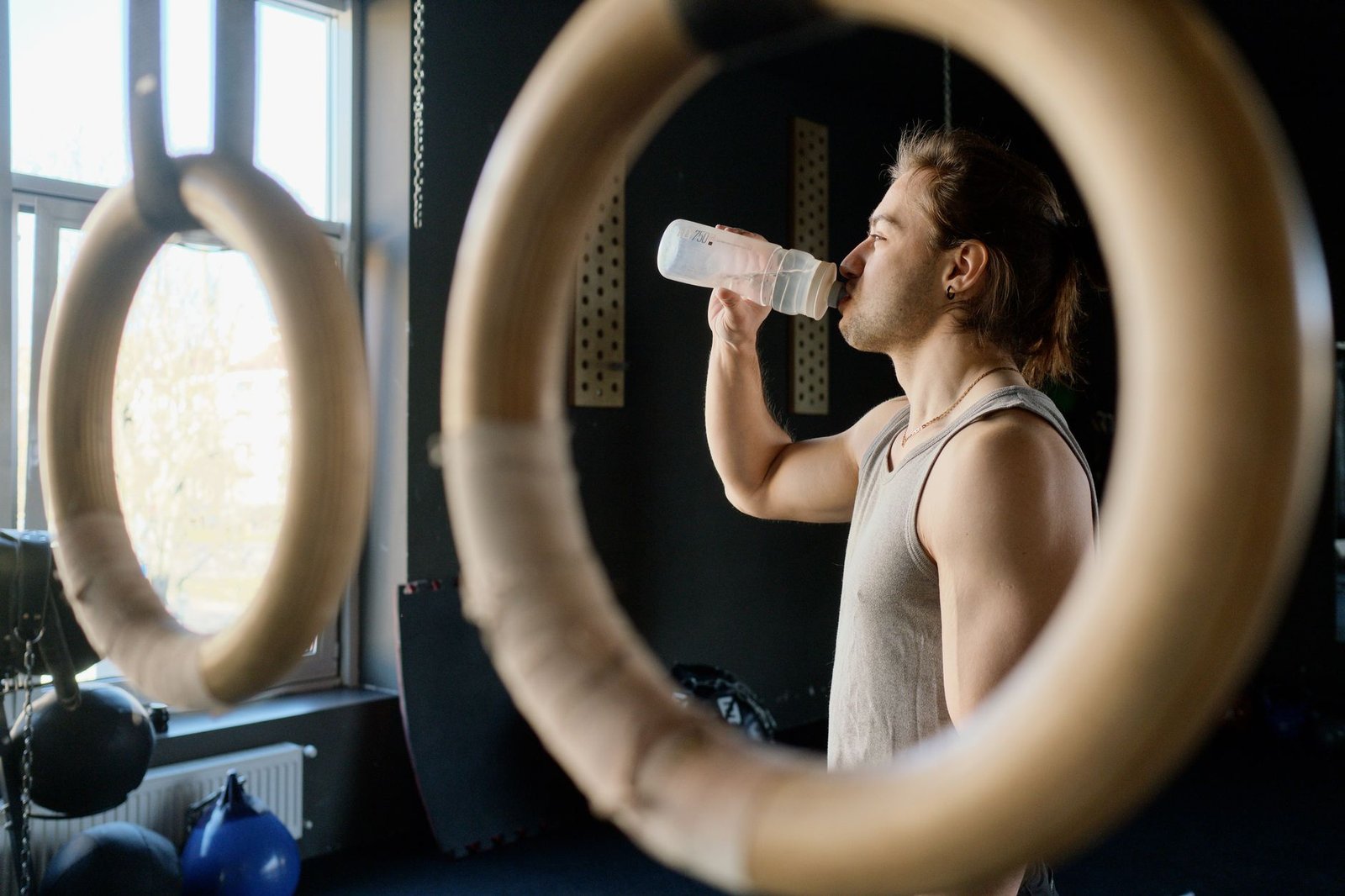
Adjust the routine to the session you just completed
Recovery should reflect the work you did. After heavy strength training, food, fluid, and reducing additional fatigue are usually more important than a long cool-down. After intervals in the heat, rehydration and getting body temperature back toward normal may deserve more attention. After a late evening session, a shorter wind-down that protects sleep can be more useful than adding twenty minutes of optional recovery work.
Three common scenarios
After strength training
Finish the session, eat normally, and avoid turning accessory work into another hour of fatigue. Light walking later in the day can be useful if you feel stiff.
After hard conditioning
Spend a few minutes moving easily until breathing settles, then focus on fluid, food, and the next day’s training demands. You do not need to “flush” lactate to recover from tomorrow’s soreness.
After an evening workout
Keep the final part of the session simple. Bright screens, a large amount of caffeine, and a long list of recovery tasks may work against the goal if they delay sleep.
Use tomorrow’s performance as feedback
A recovery routine is useful when it helps you train consistently. If you repeatedly need elaborate recovery work just to tolerate the program, the more important question is whether the training dose itself is too high. Adjusting volume or intensity is often more effective than adding another recovery intervention.
Prioritize recovery by impact
When time is limited, recovery should be simple. Sleep opportunity, adequate food, hydration, and a manageable training plan have more leverage than adding a long list of optional interventions. A cool-down, stretching, rolling, or a massage device can still be useful, but mostly because they improve comfort or help you transition out of the session.
The 15-minute version
- Minutes 0–5: easy movement while breathing settles.
- Minutes 5–10: drink, change clothes, and organize the next meal or snack if one is needed.
- Minutes 10–15: one or two short mobility or relaxation drills only if they feel useful.
After that, get on with normal life. Recovery does not need to become another hour-long performance task.
Training note: A recovery routine should reduce friction around your next session. If it becomes complicated enough that you skip sleep to complete it, the priorities are backwards.
Sources and further reading
- International Society of Sports Nutrition: nutrient timing
- Protein and exercise position stand
- Sleep loss and exercise performance
- Foam rolling: systematic review and meta-analysis
General educational information only. Individual nutrition and medical needs can differ.
Frequently asked questions
How gentle should a recovery mobility session feel?
Keep the session comfortable enough that it does not create a new training cost. Use relaxed repetitions, smaller ranges when needed, and stop short of fatigue. If movement gradually feels smoother, continue. If soreness becomes sharper, your range decreases, or you feel progressively more tired, shorten the session or choose simple rest instead.
Should I push deeper stretches when I feel stiff?
No. A recovery day is not a flexibility test. Use comfortable motion rather than chasing your deepest position or long, intense stretches. The session should leave movement feeling easier, not create a local pump or more fatigue. Save demanding end-range work for sessions where flexibility or strength at long muscle lengths is the actual training goal.