A single stretching session can change how far a position feels comfortable, but lasting flexibility is built through repeated practice over time. The useful question is not how fast you can force range, but how consistently you can train and control it.
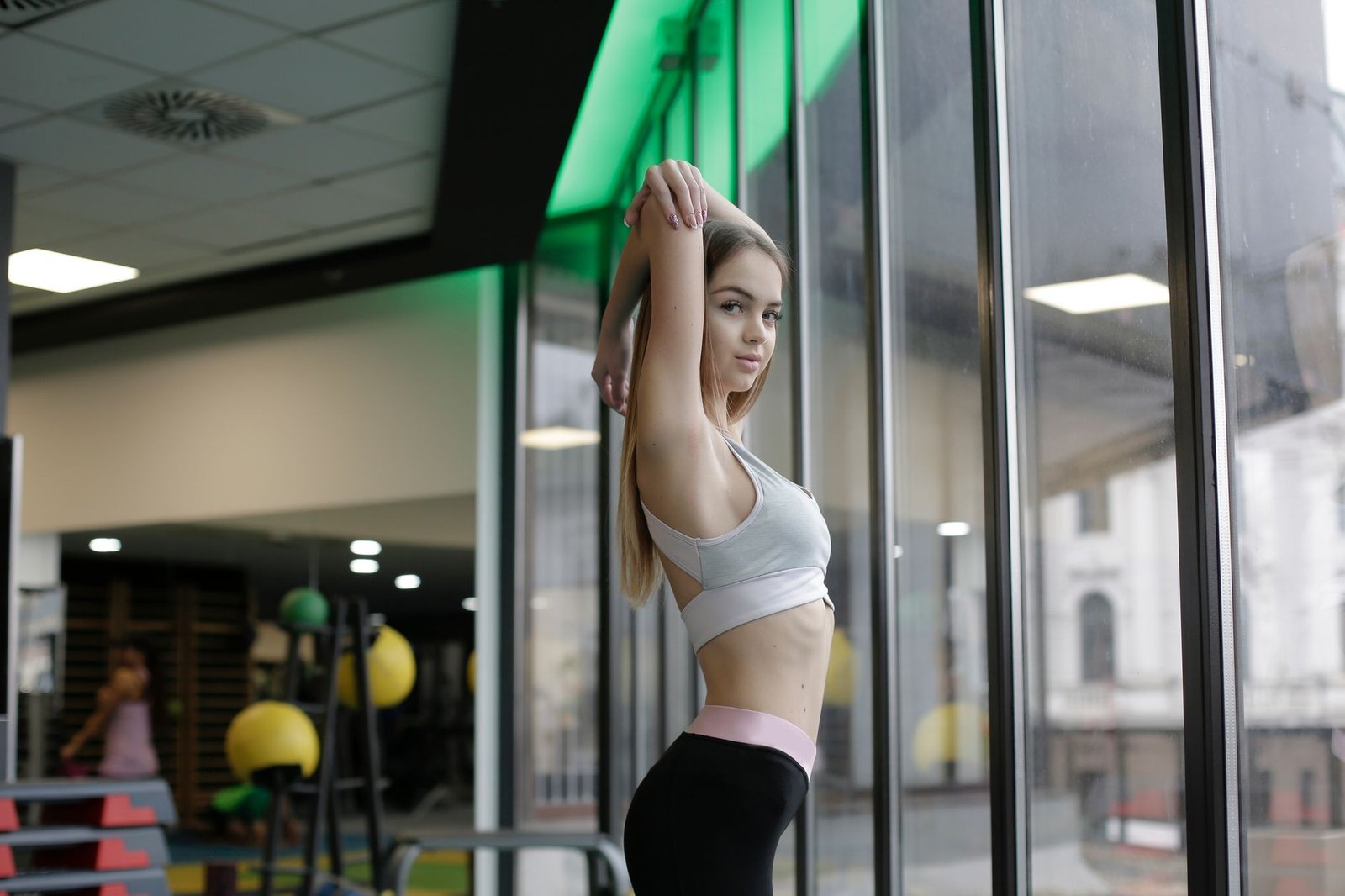
There are two different timelines to understand
Stretching can produce an immediate change in how a movement feels, and it can also contribute to longer-term improvements when it is repeated consistently. Those are not the same adaptation. After one session, you may reach slightly farther because the stretch sensation is easier to tolerate or the tissues and nervous system are temporarily more comfortable with the position. That does not mean the new range is fully established.
Longer-lasting flexibility is better thought of as a training adaptation. It develops through repeated exposure to a range, adequate recovery and a level of effort you can reproduce. Research on flexibility programs is commonly conducted over multiple weeks rather than a few days, which reflects the basic reality that durable changes are not usually judged from one or two sessions.
That distinction helps set expectations. If you can touch your toes immediately after stretching but lose the range by the next morning, the session was not useless. It simply created an acute effect. The longer-term goal is for comfortable, controlled range to become less dependent on having just completed a warm-up.
Consistency matters more than one heroic session
People often respond to stiffness by stretching very hard once, becoming sore, and then avoiding the position for several days. That pattern is difficult to progress because the training stimulus is inconsistent. A moderate routine you can repeat is usually a better foundation than occasional maximal efforts.
The right frequency depends on the total amount of stretching, the intensity, your training schedule and the body area. You do not need to feel sore for the work to count. In fact, soreness can make it harder to practice the range regularly or to perform strength training well. The goal is enough tension to create a clear stretching stimulus without turning flexibility work into a recovery problem.
Tracking the same test under similar conditions can help. For example, use the same hamstring reach, ankle dorsiflexion setup or shoulder position every week rather than testing randomly at different times. Small changes are easier to see when the measurement is consistent, and you are less likely to mistake a good warm-up day for permanent progress.
Stretch duration is only one part of the dose
How long you hold a stretch matters, but it is not the only variable. The number of repetitions, total weekly exposure, intensity and frequency all contribute to the overall dose. Two people can both hold a stretch for thirty seconds yet receive very different training because one repeats it several times across the week and the other performs it once.
This is why chasing a perfect number of seconds can be distracting. A short hold that you repeat consistently may be more useful than a long hold that feels so unpleasant you avoid the routine. The target should be a meaningful stretch sensation that remains controlled, with normal breathing and no sharp pain, numbness or tingling.
Different goals can also change the method. If you want greater passive range, dedicated static stretching can be appropriate. If you need that range for a squat, overhead position or sport skill, active mobility and strength in the new range become important as well. Flexibility is more useful when you can control it.
Your starting point changes how fast progress feels
Someone who has done very little mobility work may notice early improvements quickly because the routine is a new stimulus and the starting range may be easy to change. An experienced athlete who already has substantial range may progress more slowly because there is less obvious room for improvement and the remaining limitation may involve strength, joint structure or sport-specific control.
Daily habits matter too. If you spend many hours in one position, a few minutes of stretching can feel helpful without fully offsetting the rest of the day. Adding normal movement breaks, varied positions and strength work can support the goal better than asking one stretching session to solve everything.
Anatomy also creates individual differences. Not every person needs or can achieve the same range at every joint, and more motion is not automatically better. The useful amount is the amount that supports the activities you care about without creating instability, irritation or a constant need to force positions.
Strength training can support flexibility goals
Flexibility and strength are often treated as opposites, but they can reinforce each other. Exercises performed through a comfortable, controlled range expose muscles to length while also asking you to produce force there. Split squats, Romanian deadlifts, calf raises through a full range and controlled overhead work can all contribute to usable mobility when selected appropriately.
This matters because passive range is only one part of movement. If you can be pushed into a position but cannot control it, that range may not transfer well to lifting or sport. Gradually strengthening the end of the range can make it feel less foreign and reduce the gap between what you can reach during a stretch and what you can use during training.
You do not have to choose between stretching and strength. A short stretch can make a position easier to access, followed by a light movement that uses the same range. Over time, this combination can be more relevant than trying to increase flexibility in isolation.
How to know whether your routine is working
Look for trends rather than daily fluctuations. Range can vary with temperature, fatigue, recent training and how thoroughly you warmed up. Testing every day can create noise and encourage you to stretch harder simply because one measurement looks worse. Weekly or biweekly checks are often easier to interpret.
Also measure something that matters. If your ankle flexibility goal is to squat more comfortably, note both the range test and the squat position. If your hamstring goal is related to running or lifting, pay attention to whether the new range improves those tasks. A bigger number on a flexibility test is less useful if it does not help the activity that motivated the work.
Progress can also be improved comfort at the same range. Reaching the same position with less tension, less compensation or better control is a meaningful adaptation even if the tape measure has not changed dramatically. Flexibility training is successful when movement becomes more available and useful, not only when a test produces a larger number.
A realistic way to approach the next several weeks
Choose one or two specific ranges rather than trying to improve every joint at once. Practice them several times across the week with a tolerable amount of stretching, and include strength or active mobility that uses the same range. Keep the routine short enough that you can maintain it alongside the rest of your training.
Give the plan enough time to judge it. If you change exercises, intensity and frequency every few days, it becomes difficult to know what is working. A stable routine across several weeks gives you a clearer signal. If progress stalls, adjust one variable at a time rather than immediately doubling the amount of stretching.
Most importantly, avoid treating discomfort as proof of effectiveness. Flexibility is trainable, but the process should remain controlled. Mild to moderate stretch sensation is different from sharp pain or neurological symptoms. If a restriction is accompanied by persistent pain, injury-related changes or unexplained loss of motion, individualized assessment is more appropriate than simply increasing stretching volume.
Questions readers often ask
Can flexibility improve in one week?
You may notice that a position feels easier within a week, especially if stretching is new to you, but that does not necessarily represent a durable change. Longer-term flexibility is better judged over repeated practice across multiple weeks under similar testing conditions.
Do I need to stretch every day to become more flexible?
Not necessarily. What matters is a repeatable weekly dose that you recover from and can sustain. Some people enjoy brief daily practice; others progress with fewer sessions that contain more work. The rest of your training schedule and the body area being trained should influence the choice.
Why does my flexibility disappear after I stop stretching?
Part of the immediate change after stretching is temporary, and longer-term adaptations can also fade when a range is no longer used. Maintaining flexibility generally requires continued exposure, although the amount needed to maintain a range may be lower than the amount that helped you build it initially.
Sources and further reading
This article provides general fitness and exercise education. It is not a diagnosis, medical advice or an individualized treatment plan. Persistent, severe or unusual pain and symptoms should be assessed by an appropriately qualified healthcare professional.